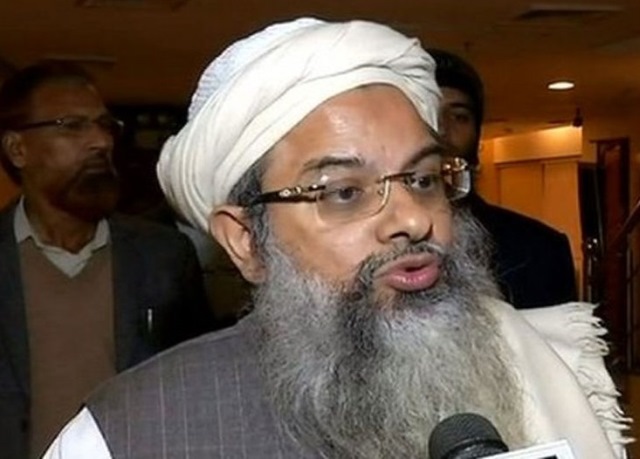

On July 20, 2023, Jamiat Ulama-i-Hind president Maulana Mahmood Madani raised alarm over the proposed demolition of 38 buildings at the Mohammad Ali Jauhar University in Rampur, Uttar Pradesh. The demolition order, issued by the Rampur Development Authority, highlights broader concerns regarding governance, social inclusion, and the future of education for disadvantaged groups in India.
Concerns Over Educational Impact
Maulana Madani articulated that the demolition would significantly impact the educational aspirations of thousands of students. He emphasized that creating an environment conducive to learning is essential and that destabilizing an important educational institution undermines this goal. The university, founded by the imprisoned Samajwadi Party leader Azam Khan, serves as a vital educational hub for many in the region, particularly for marginalized communities.
Madani posited that demolishing the buildings violates principles of natural justice, suggesting that it shows a lack of understanding of the State’s obligations under the Constitution to provide education as a fundamental right. He pointed out that such actions could deter future investments in education and expand social inequalities, particularly impacting economically marginalized groups.
Legal and Regulatory Framework
In his statement, Madani underscored that according to legal precedents, demolition is not always the necessary or appropriate remedy for building code violations. He asserted that other options exist, such as approving revised plans or penalizing through fines rather than immediate demolition, which could lead to protracted legal battles and instability.
He highlighted past legal rulings in cases involving engineering colleges and development authorities across various cities, where courts had favored solutions that allowed for regularization rather than outright demolition of structures. These decisions underline a growing consensus in some judicial circles about seeking remediation over punitive measures, particularly for educational institutions that serve the public good.
Call for a Balanced Approach
Madani has urged the Uttar Pradesh government to consider lawful alternatives that align with the principles of justice and equity while preserving the integrity of vital educational assets. His plea was not just for the university itself but for a broader reevaluation of policymaking that prioritizes educational access and social justice.
By calling for a reconsideration of the demolition order, Madani advocates for a collaborative approach that could involve stakeholders from the educational sector, government representatives, and civil society, paving the way for solutions that respect legal frameworks without compromising educational opportunities.
Why It Matters
The ramifications of this case extend beyond the immediate community of Mohammad Ali Jauhar University. It raises essential questions regarding the treatment of minority educational institutions in India, especially in states governed by political entities with radical nationalist leanings. If the local government can demolish an institution like this without considering less disruptive alternatives, it sets a dangerous precedent for educational policies in the country, potentially leading to similar actions against other minority institutions in the future. Such actions could stifle educational freedom and contribute to the further marginalization of already vulnerable populations in Indian society.
Frequently Asked Questions
What led to the demolition order for the university buildings?
The Rampur Development Authority issued the demolition order on the grounds that the 38 buildings were constructed without proper approval of the building plan.
What is Maulana Mahmood Madani’s position on the demolition?
Madani expressed serious concerns that the demolition undermines the rule of law and threatens the educational future of thousands of students, advocating for lawful alternatives instead of outright demolition.
How could the demolition affect students at the university?
Demolishing the buildings could disrupt educational activities, lead to a loss of resources, and diminish the university’s capacity to serve its student body, directly impacting their access to education.
What alternatives to demolition did Madani propose?
He suggested that authorities could consider options such as approving revised building plans, regularizing existing structures, or imposing monetary penalties instead of immediate demolition.