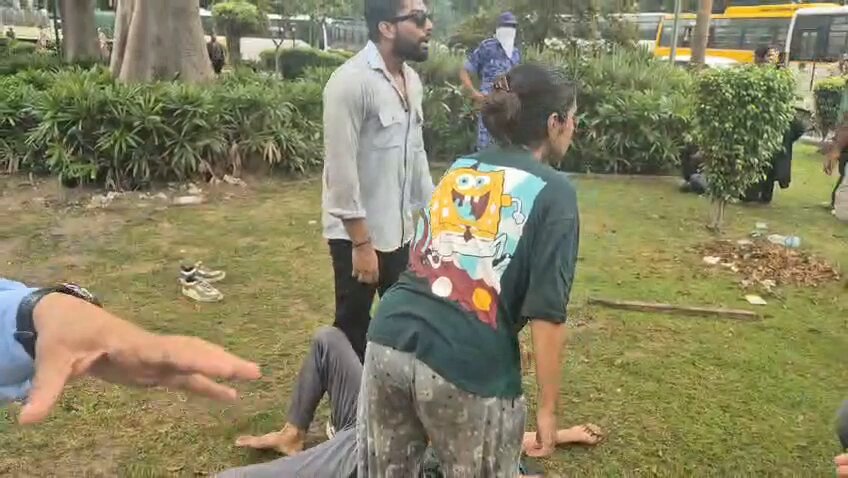

In recent discussions surrounding protests at Jantar Mantar, social media has been rife with claims of violence and detentions by the Delhi Police. However, the Delhi Police have categorically denied these claims, stating that the situation is being managed professionally without any incidents of violence.
Context of the Protests
Jantar Mantar, a popular site for public protests in New Delhi, has seen numerous demonstrations over the years. Activists, students, and various civil society organizations often gather there to voice their dissent on a multitude of issues, ranging from political policies to social justice. The recent protests have reprised a pattern seen in previous gatherings where police presence is intensified to maintain order and mitigate potential disturbances.
Delhi Police’s Official Statement
In response to allegations of police brutality and wrongful detentions made by various media outlets, the Delhi Police released an official statement. They emphasized that there have been no incidents of violence during the protests at Jantar Mantar and urged the public to refrain from spreading rumors that could escalate tensions. The police have reassured the public of their commitment to uphold peace and public order during such gatherings.
The Role of Social Media
Social media has become a double-edged sword in the context of political protests. While it serves as a platform for activists to amplify their voices, it can also propagate misinformation. The recent assertions made on platforms like Twitter highlight the potential for rumors to spread quickly, destabilizing an already tense situation. This is particularly critical considering the increased scrutiny of police actions during protests in India, often leading to wider narratives about governmental oppression.
Why This Matters
The denial from Delhi Police against claims of violence at the Jantar Mantar protests is significant for several reasons. Firstly, it reflects the ongoing tension between law enforcement and civilian protestors, particularly in a democratic society where freedom to assemble is a constitutional right. Secondly, it serves as a reminder of the power of social media in framing public discourse; while it can mobilize support for legitimate causes, it can just as easily misrepresent situations, leading to societal unrest. Lastly, the Delhi Police’s response and management of protests could set a precedent for how future demonstrations are handled and perceived, both nationally and internationally.
Frequently Asked Questions
What are the main issues being protested at Jantar Mantar?
Various issues can be protested at Jantar Mantar, including government policies, social justice, and human rights. The specific grievances may change based on current events or crises affecting the country.
How does the Delhi Police usually respond to protests?
The Delhi Police typically deploys personnel to monitor protests, ensuring that they remain peaceful. Historical precedents show varied responses, some involving negotiation with protestors while others may use more forceful measures during escalated situations.
What impact do social media narratives have on public perception of protests?
Social media narratives can significantly influence public perception by shaping the information landscape. Positive portrayals may garner support for protests, while negative depictions, especially concerns about violence, can lead to public backlash and increased calls for law enforcement intervention.
Why is maintaining peace during protests essential for democracy?
Maintaining peace during protests is crucial as it ensures the protection of civil liberties and the rights of individuals to express dissent. When protests turn violent, it can lead to a crackdown on freedoms, creating a chilling effect that discourages future civic engagement.