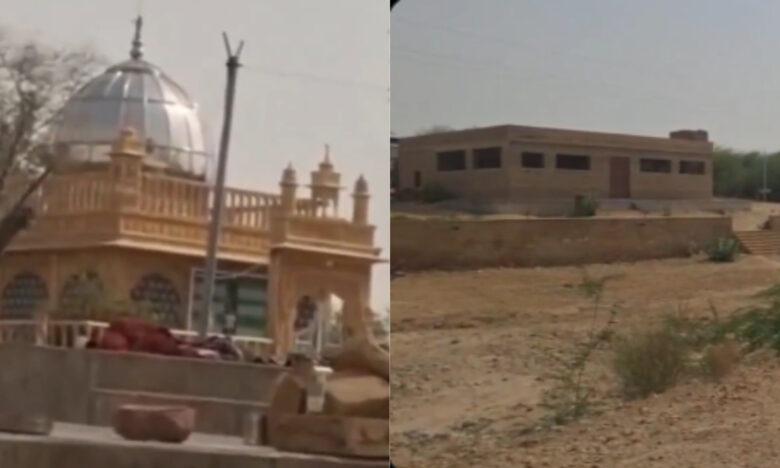

Jaisalmer Administration’s Controversial Demolition of Religious Structures
The Jaisalmer district administration in Rajasthan has taken contentious steps by demolishing six alleged illegal mosques and madrasa structures in a recent anti-encroachment drive. This operation, dubbed “Operation Clean,” raises critical questions about religious freedom and the governance of border regions near the India-Pakistan international boundary.
Details of the Demolition Drive
On Thursday, the administration executed the demolitions in villages such as Mirpura, Hindolon Ki Dhani, Ahmadpura, and Dhanana, employing earthmovers and supported by police and revenue personnel. Authorities assert that these structures were established on government land, including areas reserved for families displaced by the Pong Dam project. The operation extended within a 50 km radius of the volatile international border and was heavily guarded, reflecting the area’s heightened security concerns.
Judicial Backing for the Operation
The drive proceeded following a July 13 ruling from the Jodhpur bench of the Rajasthan High Court, which dismissed petitions that questioned the eviction notices served to certain religious institutions in the border zone. The court emphasized that national security must take precedence over local legal claims, effectively legitimizing the administrative actions despite concerns over their impact on the local Muslim populations.
Peaceful Execution, Yet Underlying Tensions
Authorities reported that the demolition activities occurred without incidents of law-and-order disruptions. However, the lack of immediate unrest does not negate the long-term implications of these actions. Displacement and the destruction of places of worship can foster a sense of alienation among minority communities, exacerbating existing tensions and fears of further marginalization.
Why It Matters
The ongoing demolition of religious structures in border areas raises significant issues regarding social exclusion and discrimination, particularly against Muslim communities. These actions can be perceived as part of a broader trend of marginalization exacerbated by political narratives that align with certain Hindu nationalist agendas. Such policies not only impact local communities but also draw international scrutiny, challenging India’s commitment to secularism and religious freedom. The consequences of these demolitions could reverberate through diplomatic relations, impacting how India is viewed within global contexts.
Frequently Asked Questions
What prompted the demolition of mosques and madrasas in Jaisalmer?
The demolitions were conducted as part of an anti-encroachment drive, with the administration claiming that the structures were illegally constructed on government land.
Is the drive part of a larger government initiative?
Yes, the operation is part of a broader initiative termed “Operation Clean,” which targets unauthorized constructions in border areas, highlighting concerns over national security.
What does the court ruling indicate about the government’s authority?
The Rajasthan High Court’s ruling supports the government’s right to issue eviction notices to religious institutions in sensitive border areas, prioritizing national security over local claims of land use.
How are local communities reacting to these actions?
While the operation was reported to proceed peacefully, there are underlying tensions and feelings of alienation among Muslim communities, increasing fears of marginalization and social exclusion.





![Community members raise their arms during a gratitude poem at a supper in Westbrook, Maine, in July 2025 [Courtesy of Community Plate]](https://www.indianewsweek.com/wp-content/uploads/2026/09/Potluck-Parties-Surge-in-Popularity-Across-America-A-Culinary-Revival-300x203.jpeg)