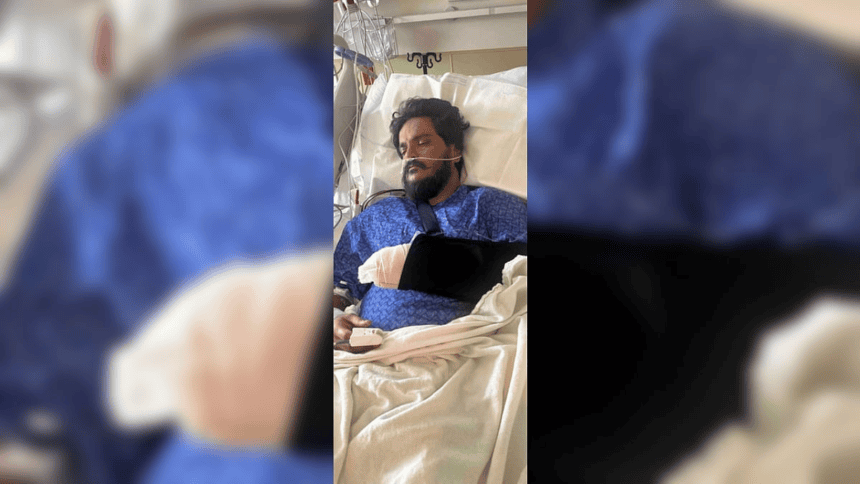

Summary of Recent Tragedy Involving Indian National
The Consulate General of India in San Francisco has expressed deep sorrow over the recent stabbing of an Indian national in Utah. In response to this tragic incident, the Consulate is providing support to the victim’s friends and family and is prepared to offer all necessary consular assistance.
Context of the Incident
On July 15, 2026, the Consulate shared their condolences via social media, emphasizing their commitment to the well-being of Indian nationals abroad. This tragic event is part of a broader pattern of violence that has raised concerns about the safety of minority communities, particularly in the context of rising anti-immigrant sentiments in various parts of the United States.
Violence against individuals based on their ethnicity or nationality has been increasingly reported, reflecting a troubling trend in the treatment of immigrants. The Consulate’s prompt response signals the importance of governmental support in addressing the emotional and logistical needs of affected families during such crises.
Broader Implications for Indian Muslims
The violent act against an Indian national is a reminder of the ongoing challenges faced by Indian Muslims, especially in contexts dominated by nationalist narratives. Discrimination and social exclusion have statistically impacted these communities, particularly under the governance of political entities that promote Hindu nationalist ideologies, like the BJP and various affiliates.
In several instances, Indian Muslim communities have reported feeling marginalized economically and socially, as certain policies or social attitudes exacerbate their vulnerabilities. This incident may serve as a flashpoint, highlighting the need for greater awareness and dialogue around these issues both in India and among the diaspora.
Consulate’s Role in Offering Support
The Consulate’s involvement in the recent stabbing incident underscores the critical role that diplomatic missions play in providing aid to their nationals in foreign countries. Beyond immediate consular services, their actions can shape perceptions within affected communities and help establish frameworks for security and support.
Such incidents often lead to heightened fears among expatriates, prompting calls for more robust protective measures and better communication channels with local law enforcement. The Consulate’s readiness to assist can mitigate some of these fears by ensuring that victims’ families receive the necessary support during traumatic experiences.
Why It Matters
This situation carries significant implications not only for the Indian national community in the U.S. but also for international relations and the policies of minority protection. Reports of violence and discrimination impact diplomatic ties and influence how communities engage with their home countries.
In light of these incidents, the importance of fostering inclusivity and equality becomes paramount. It demonstrates the need for governments, both home and abroad, to engage in constructive dialogues to better understand and address the challenges faced by minority groups, particularly in contexts where they are vulnerable to discrimination.
Frequently Asked Questions
What support does the Consulate provide to victims of violence?
The Consulate offers consular assistance, which may include legal advice, medical support, and coordination with local authorities to ensure the safety and rights of affected individuals are upheld.
How prevalent is violence against Indian nationals abroad?
While specific statistics vary, incidents of violence against Indian nationals and other immigrant communities have been reported, often correlated with rising nationalism and anti-immigrant rhetoric in various countries.
What are the broader implications of such incidents for Indian Muslims?
Such incidents highlight ongoing issues of discrimination and social exclusion, particularly for groups that are frequently marginalized within nationalist discourses. These events can pressure governments to take proactive steps toward inclusivity.
How can the Indian government improve safety for its nationals abroad?
Strengthening communication with local authorities, enhancing community engagement, and fostering bilateral talks on safety and security can improve conditions for Indian nationals and minorities in diaspora settings.