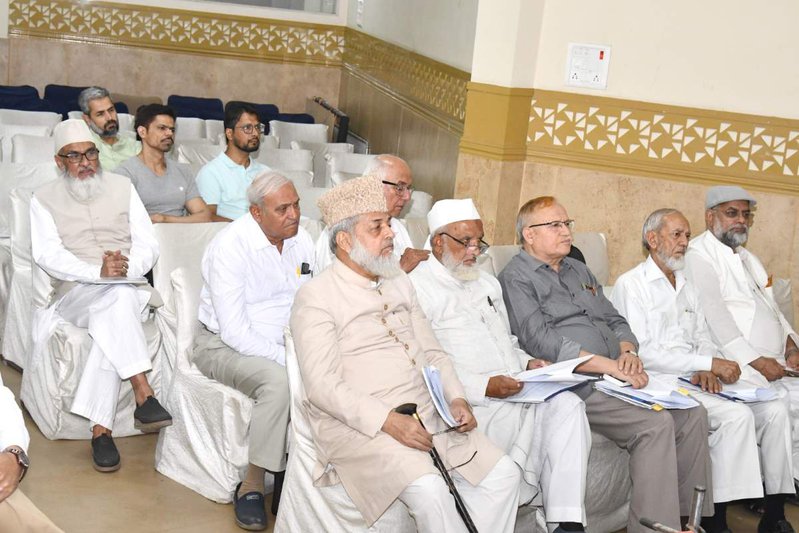

India’s Muslim community is increasingly mobilizing against a backdrop of persistent discrimination and violence. A major meeting in New Delhi on July 24, 2026, will see prominent Muslim organizations, scholars, and political leaders unite to address these challenges, formulating a joint strategy in the face of systemic persecution, including mob lynchings and discriminatory governmental actions.
Gathering of Influential Organizations
In a pivotal moment for Indian Muslims, the planned gathering will host representatives from influential groups such as Jamaat-e-Islami Hind, Jamiat Ulema-e-Hind, Jamaat-e-Ahle Hadith, and the All India Muslim Personal Law Board. Senior political figures, including Asaduddin Owaisi from AIMIM, Salman Khurshid from the Congress party, and Member of Parliament Mohibullah Nadvi, are expected to participate. This diverse assembly highlights the deep concern across sects and political divides regarding the rising tide of anti-Muslim sentiment and actions in India.
Addressing Systemic Injustice
Syed Sarwar Chishti, a prominent religious leader associated with the Ajmer Sharif Sufi shrine, underscored the meeting’s urgency, citing a history of violence and injustice inflicted upon the Muslim community. Reports of mosques, madrasas, and educational institutions being targeted, alongside the destructive actions of bulldozers demolishing properties of Muslims, have fueled a climate of fear and anger. Participants aim to move beyond reactive measures, advocating for a coordinated national approach to safeguard their constitutional rights while enhancing societal cohesion.
Topics of Deliberation
The agenda for the upcoming meeting is extensive and will tackle various pressing issues. Participants plan to discuss vigilante violence perpetrated by Hindutva groups, systemic demolitions of Muslim properties, and confrontations surrounding mosques and educational establishments. Another critical area of focus will be the treatment of Muslim youth by law enforcement agencies amidst rising societal discrimination. Organizers hope to draft a joint resolution and outline a strategic roadmap that will highlight future legal, social, and advocacy initiatives dedicated to protecting the rights of over 200 million Muslims in India.
Why It Matters
The significance of this meeting extends beyond the Muslim community; it encapsulates broader themes of human rights, communal relations, and the rule of law in India. With international human rights organizations expressing alarm over increasing anti-Muslim rhetoric and violence, the outcomes of this gathering may influence global perceptions of governance and social harmony in India. The collective efforts of these organizations will aim to confront a narrative of exclusion while reinforcing democratic principles and fundamental rights that resonate with a global audience.
Frequently Asked Questions
What are the key issues facing Muslims in India today?
Indian Muslims face a range of issues including mob lynchings, discriminatory government actions, and the destruction of mosques and educational institutions, contributing to a climate of fear and insecurity.
What organizations are participating in the upcoming meeting?
Prominent organizations such as Jamaat-e-Islami Hind, Jamiat Ulema-e-Hind, Jamaat-e-Ahle Hadith, and the All India Muslim Personal Law Board will be present, alongside political figures like Asaduddin Owaisi and Salman Khurshid.
What is the goal of the meeting scheduled for July 24, 2026?
The meeting aims to formulate a coordinated strategy to combat the systemic persecution of Muslims in India and to discuss measures for safeguarding their constitutional rights.
Why is this meeting significant in the current political climate?
This gathering is significant as it represents a united front against increasing discrimination and violence, drawing attention to human rights concerns and communal relations in India, which resonate internationally.