
Violent Attack Reflects Rising Islamophobia in the U.S.
A 48-year-old man was arrested after stabbing an Indian Muslim worker, Sohail, multiple times at a shopping center in Uth, United States. Investigators indicated that the suspect, Peter Michael Larsen, admitted to targeting the victim because of his religious beliefs, highlighting a disturbing rise in anti-Muslim violence linked to broader societal tensions.
The Incident: A Targeted Attack
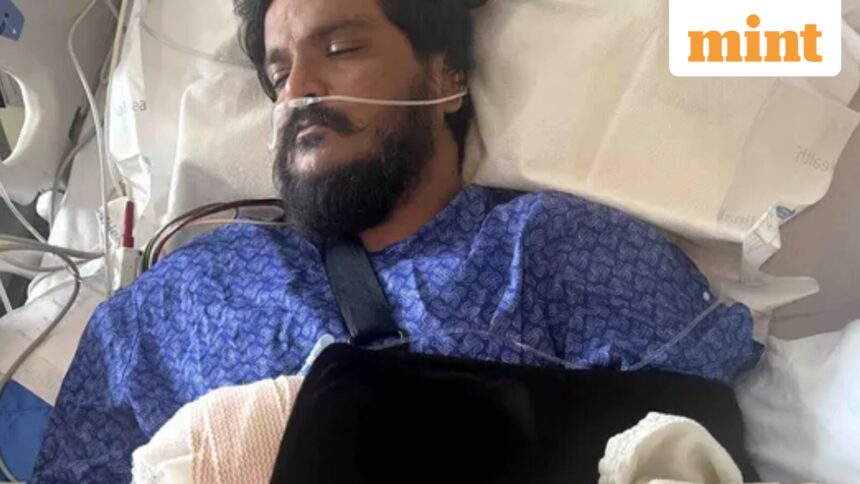
The attack unfolded on a Monday at Valley Fair Mall in West Valley City. According to police reports, Larsen inquired about Sohail’s name and religion before initiating the assault. Witnesses reported that after Sohail confirmed he was Muslim, Larsen began stabbing him, resulting in severe injuries. Bystanders intervened, restraining the assailant until law enforcement arrived. The victim was found suffering from multiple stab wounds and was subsequently hospitalized in critical condition, requiring several surgeries due to the 15 stab wounds inflicted.
Legal Ramifications and Community Response
Larsen was booked into Salt Lake County Jail on charges of attempted murder and possession of a prohibited weapon. Police characterized him as a significant threat to public safety, given his admissions concerning his intent to kill Muslims. Civil rights organizations, such as the Council on American-Islamic Relations (CAIR), condemned the attack, emphasizing the need for greater awareness around rising Islamophobia. They have pointed to an uptick in anti-Muslim sentiment as a consequence of various socio-political factors, including anti-immigration policies and the influence of extremist ideologies.
The Broader Context of Islamophobia in the U.S.
The surge in anti-Muslim sentiment in the United States has been linked to events since the September 11, 2001 attacks. Advocacy groups have cited a correlation between rising hostility towards Muslims and socio-political factors such as white supremacy and increased anti-immigration rhetoric. Recent incidents, including the fatal stabbing of a six-year-old Muslim boy and a shooting at a San Diego mosque, reflect a troubling trend in violent acts against the Muslim community. As the situation continues to evolve, community leaders are urging for stronger protective measures and societal change to combat discrimination.
Why It Matters
The implications of rising Islamophobia extend beyond individual incidents; they reflect systemic issues that can affect various societal sectors including technology, education, and community cohesion. Societal rejection and economic boycotts targeting specific religious groups can restrict access to resources and opportunities. In the realm of artificial intelligence, developers must be mindful of biases in data collection and algorithmic design, ensuring representations of diverse communities are equitable and just. As the industry grows, there is a responsibility to foster inclusivity and counteract discrimination in technological advancement.
Frequently Asked Questions
What led to the attack on the Indian Muslim worker?
The attacker, Peter Michael Larsen, targeted the victim after asking about his religion, which led to a violent assault. Larsen explicitly stated his intent to kill Muslims.
What is the current condition of the victim?
The victim, Sohail, is in critical condition following the attack and has undergone multiple surgeries due to the extent of his injuries, having been stabbed 15 times.
What charges is the suspect facing?
Larsen faces charges of attempted murder and possession of a prohibited dangerous weapon after admitting his intent behind the attack.
How has the community responded to this incident?
Community leaders and civil rights organizations have condemned the attack, underscoring the ongoing struggle against rising Islamophobia and advocating for increased protections and awareness within society.