
Controversial Remarks Highlight Ongoing Tensions in India
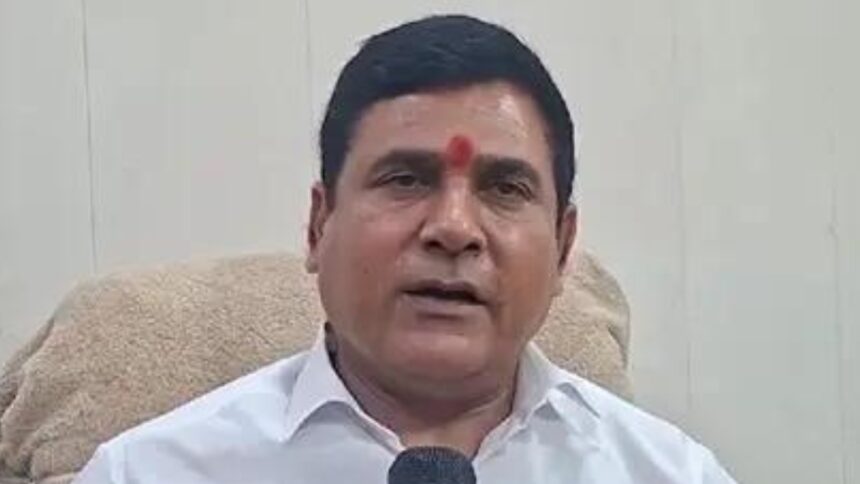
Recent statements by Loni BJP MLA Nand Kishore Gurjar have ignited a significant controversy regarding the identity of Indian Muslims. Gurjar’s claims that Muslims possess “Hindu DNA” and are “converts” to Islam reflect broader social and political dynamics that have heightened tensions between religious communities in India. Such remarks underscore the ongoing marginalization and exclusion faced by Muslims in the country, sparking debate about identity and belonging.
Nand Kishore Gurjar’s Comments and Their Implications
Gurjar, known for his anti-Muslim rhetoric, made these inflammatory comments in response to a statement by Indonesian President Prabowo Subianto, who claimed “Indian DNA.” He alleged that Indian Muslims have purposely distanced themselves from their roots, criticizing them for not adhering to Hindu traditions. Gurjar’s comments come against a backdrop of ongoing conflicts over religious sites and have intensified the cultural battle regarding Hindu and Muslim identities in India.
“Partition of India took place on the basis of religion, and Muslims who stayed back in India agreed that they would honor Hindu traditions and way of life. But what we are witnessing is just the opposite,” Gurjar stated in an interview, further emphasizing his viewpoint on alleged disloyalty among Indian Muslims. Such rhetoric not only fosters division but potentially fuels violence, as historical tensions are revisited in contemporary political discourse.
The Historical Context of Discrimination Against Muslims in India
The remarks by Gurjar are part of a larger narrative that has led to increasing discrimination against Indian Muslims, particularly under the current BJP-led government. The political climate has seen various forms of economic boycotts and social exclusion, often targeting Muslim individuals and businesses.
Additionally, incidents such as the forcible closures of meat shops owned by Muslims during specific Hindu festivals, as well as ongoing disputes over places of worship like Bhojshala and Gyanvapi, reflect systemic attempts to marginalize the Muslim community. This pattern of discrimination not only resonates within local communities but also extends to broader national policies that affect the social fabric of the country.
Response from the Muslim Community and Wider Society
Gurjar’s commentary has been met with criticism from various sections of society, including Muslim leaders and human rights advocates. Many argue that such statements perpetuate a dangerous narrative that positions Muslims as outsiders in their own country. The backlash indicates a growing concern over the increasing normalization of hate speech and its potential repercussions for community relations in India.
Moreover, community leaders have raised alarms over the impact of such rhetoric on young Muslims, who may find themselves in an environment increasingly hostile to their identity. Activists emphasize the need for governmental and societal initiatives that promote inclusivity and address historical grievances faced by minorities.
Why It Matters
The comments by Nand Kishore Gurjar serve as a testament to the ongoing discrimination and exclusion faced by the Muslim community in India. The normalization of such views can lead to increased polarization within society, ultimately impacting social cohesion and democratic values. For global audiences, this situation underscores the importance of advocating for human rights and minority protections in contexts where majoritarian politics overshadow the principles of equality and justice.
Frequently Asked Questions
What are the implications of Nand Kishore Gurjar’s comments?
Gurjar’s comments deepen societal divides between Hindus and Muslims, exacerbating existing tensions and promoting a narrative that isolates a significant portion of India’s population.
How has the BJP government affected the Muslim community in India?
The BJP government’s policies and rhetoric have often contributed to the marginalization of Muslims, fostering environments of discrimination and economic exclusion seen through various incidents and laws.
What reactions have been observed from the Muslim community?
The Muslim community has largely condemned Gurjar’s statements, with leaders and supporters advocating for a more inclusive society and calling attention to the dangers of hateful rhetoric.
What is the historical context of Muslim-Hindu relations in India?
Muslim-Hindu relations in India have a complex history marked by periods of coexistence and conflict, often shaped by political circumstances, social dynamics, and colonial legacies that continue to influence contemporary interactions.