
US Stocks Face Weekly Losses Amid Semiconductor Slump
US stock markets experienced notable declines on Friday, driven primarily by a downturn in the semiconductor sector. As major indices faced consistent losses throughout the week, the situation raised concerns among investors regarding the overall market stability and the performance of tech stocks.
Major Indexes Take a Hit
The Dow Jones Industrial Average, known for its representation of established U.S. companies, fell by 1% on Friday. Meanwhile, the S&P 500 index dropped approximately 0.8% and the Nasdaq Composite saw a more substantial decrease of around 1.6%. This downward trajectory followed what market analysts described as a downbeat day on Wall Street, raising questions about the tech-savvy market’s resilience.
Semiconductor Sector Impacts Market Sentiment
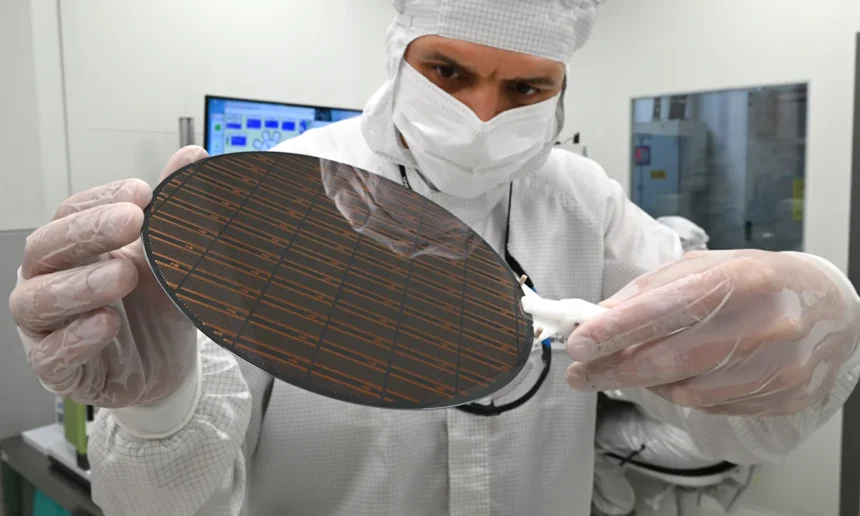
Stocks in the semiconductor sector were particularly hard-hit, as reflected by the PHLX Semiconductor Index, which plummeted over 3% on Friday and officially entered a bear market. Notably, Asian markets contributed to the uncertainty, with Japan’s Nikkei 225 dropping by 4%. Such fluctuations in the semiconductor market can have extensive ramifications as it is a pivotal sector that heavily influences technology and consumer electronic stocks.
AI Developments Create Market Jitters
The recent pause in the tech-driven stock rally, which had gained momentum since March, can be attributed to revived caution from investors. Companies’ spending on artificial intelligence has come under scrutiny, as optimism surrounding the potential of AI technologies wavers. Friday saw a significant announcement from Chinese AI startup Moonshot, which unveiled Kimi K3, a powerful AI model that it claims is the largest in the world, potentially rivaling the existing leaders in the space, including Anthropic’s frontier Fable model. This news has added to the apprehensions surrounding AI investments and their practical implications on corporate expenditures.
Why This Is Trending
The topic of US stock market fluctuations and the semiconductor industry is trending in India mainly due to its interconnectedness with the Indian IT sector. As many Indian tech companies rely heavily on semiconductor production and investments in artificial intelligence, any downturn in these industries can have profound implications for India’s economic landscape. Additionally, Indian investors are increasingly seeking insights into global market trends that impact not just local investments but also foreign portfolios.
Frequently Asked Questions
What caused the decline in US stocks?
The decline in US stocks has been primarily driven by a slump in the semiconductor sector and reassessments of companies’ spending on artificial intelligence, leading to broader market uncertainty.
How do semiconductor stocks affect the overall market?
Semiconductors are critical components in tech products. A decline in this sector typically signals reduced demand and can adversely affect technology companies, leading to lower stock prices in related sectors.
What should investors consider moving forward?
Investors should keep an eye on market trends, especially in the semiconductor and tech sectors, as well as announcements about AI developments, which may influence investor confidence and spending patterns.
How is India impacted by the US stock market?
As India continues to grow its technology sector, fluctuations in the US stock market can affect investor sentiment, foreign investments, and overall economic stability in India, making it crucial for Indian investors to stay informed about such developments.