
Summary
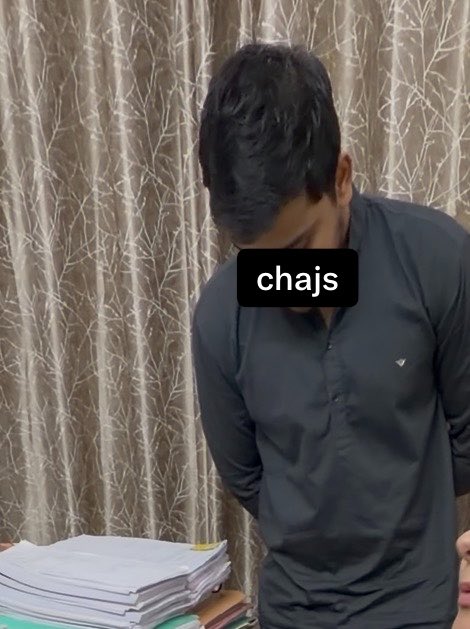
Recent social media commentary highlights the dissonance between online bravado and real-life accountability among certain individuals. A user, @dudeitsokay, has called out a perpetrator for displaying abusive behaviors online, particularly against women. Despite previous apologies, the same individual has continued their harmful actions, leading to calls for consequences if the behavior persists.
Online Behavior vs. Real-Life Accountability
The online landscape has seen a surge in individuals presenting themselves as “alphas,” especially men who engage in derogatory comments targeting women. These actions often serve as a means to gain attention or affirmation within certain online circles. However, when faced with real consequences—such as police intervention—many of these individuals quickly retract, exhibiting an apologetic demeanor. This pattern raises important questions about the sincerity of their apologies and whether they truly intend to change their behavior.
In this case, @dudeitsokay recounted a personal experience where after a prior acknowledgment and an assurance that harmful behavior would cease, the perpetrator quickly reverted to their abusive ways. The sheer speed of this relapse undermines any claims of change and adds to the skepticism surrounding such apologies.
Repercussions of Abusive Behavior
Abusive online behavior has real-world ramifications; it influences societal norms and contributes to the perpetuation of a culture of silence around mistreatment. As highlighted by the experience shared on social media, there are individuals willing to take a stand against these behaviors. The author of the initial post indicated that while a formal complaint remains on record, further action may be taken if the abusive actions continue.
This situation underscores the responsibility both individuals and platforms hold. If social media remains a breeding ground for toxic behavior without adequate repercussions, it can lead to increased abuse and harassment. Efforts to promote accountability must be ongoing, and there is a crucial need for platforms to impose more stringent measures against users who display harmful behaviors.
Patterns of Engagement
The cycle of abusive behavior often follows predictable patterns. Initially, there may be an episode that prompts outrage and calls for accountability, leading to a public apology from the offender. But frequently, this remorse is short-lived, and the cycle of abuse resumes. Such patterns not only affect those directly involved but can also instill a pervasive sense of vulnerability among broader communities, particularly among women who may feel targeted or unsafe online.
The response from other users on social media, such as @soniya1425’s pointed comment about the lack of mercy towards the individual in question, illustrates a collective attitude that many are not willing to tolerate such behavior any longer. There is a growing demand for those exhibiting patterns of abuse to face consequences, reflecting a shift in social expectations and norms surrounding accountability.
Why This Matters
The incident highlights a significant cultural and political issue in India. As society grapples with increasing cases of harassment and abuse, it is vital to foster a dialogue around these topics. The juxtaposition of online bravado against real-world accountability not only speaks to the challenges of gender-based violence but also reflects broader social issues of respect and dignity in public spaces.
For Indian readers, this situation serves as a reminder of the importance of supporting victims and advocating for systemic changes. It underscores a need for better mechanisms to address complaints and to ensure that abusive behavior—whether online or offline—has real consequences. As movements advocating for women’s rights and equity gain momentum, it is crucial for individuals and authorities alike to take these issues seriously.
Frequently Asked Questions
What prompted the complaint against the individual?
The complaint was prompted by a series of abusive behaviors exhibited by the individual, particularly targeting women on social media platforms.
How can victims report online harassment in India?
Victims of online harassment can report incidents to the Cyber Crime Cell or lodge complaints through various legal channels, including local police.
What are the potential legal consequences for online abuse?
Legal consequences for online abuse can include fines, imprisonment, or other penalties depending on the severity of the actions and local laws.
What steps can social media platforms take to address harmful behavior?
Social media platforms can implement stricter community guidelines, improve reporting mechanisms, and enforce consequences for users who engage in abusive behavior to create a safer online environment.