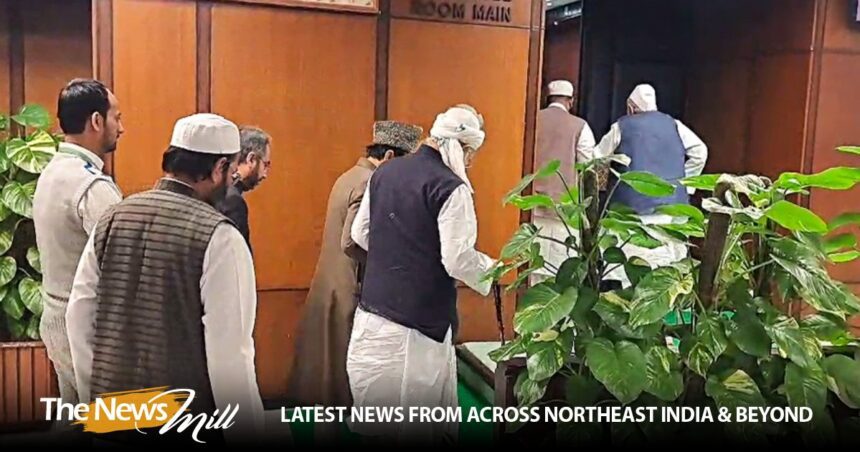

On July 24, prominent Muslim leaders, political representatives, and intellectuals will convene at New Delhi’s Constitution Club to tackle pressing issues affecting the Muslim community in India. Their agenda includes discussing strategies for non-cooperation movements and potential election boycotts amid growing discontent over government inaction regarding justice for Muslims.
Context of the Meeting
The upcoming meeting emerges from a backdrop of increasing frustration among Muslims regarding ongoing discrimination and social exclusion. Attendees aim to address a perceived lack of justice in cases that prominently involve Muslims and address what many view as the inadequate response from opposition parties. With significant figures from different political backgrounds, including notable Congress leader Salman Khurshid and AIMIM chief Asaduddin Owaisi, this gathering seeks to consolidate voices that demand accountability and action.
Key Issues on the Agenda
Before the meeting, discussions among community leaders revealed a multitude of issues that have been distressing the Muslim population across India. Topics of concern will include:
- Demolition drives affecting mosques, madrasas, and Muslim homes
- Incidents of mob lynching targeting Muslims
- The proposed Uniform Civil Code, which some believe threatens religious autonomy
- Closure of madrasas in states like Uttarakhand
These discussions aim not only to highlight grievances but also to strategize about actions the Muslim community might undertake if substantive changes are not made by existing political parties.
Divided Opinions on Political Participation
The prospect of an election boycott has become a contentious issue among community leaders. Some participants in the preliminary discussions on July 10 expressed skepticism about withdrawing from the electoral process, arguing that engagement with democratic mechanisms is essential for addressing their concerns. In contrast, others proposed that if secular political parties continue to neglect Muslim issues, a more radical approach, such as a non-cooperation movement or boycotting elections, is warranted. This tension underscores the complex relationship the community has with India’s political landscape.
Why It Matters
This meeting highlights a critical juncture for the Muslim community in India. Growing discontent not only raises questions about political representation but also risks further alienating a demographic that already feels marginalized. For the AI industry and software developers, understanding these socio-political dynamics is crucial for creating solutions that are sensitive to cultural contexts. As AI increasingly participates in social discourse, recognizing and addressing systemic biases becomes paramount. Ensuring an inclusive approach in technological development can help foster dialogue rather than division.
Frequently Asked Questions
What is the main goal of the July 24 meeting?
The main goal is to address issues affecting the Muslim community, including potential strategies for non-cooperation movements and election boycotts amidst perceived injustices.
Who are the key figures attending the meeting?
Notable attendees include Congress leader Salman Khurshid, AIMIM chief Asaduddin Owaisi, and representatives from various Muslim organizations such as Jamaat-e-Islami Hind and the All India Muslim Personal Law Board.
What specific issues will be discussed during the meeting?
Topics include demolition drives affecting Muslim properties, mob lynching incidents, the proposed Uniform Civil Code, and the closure of madrasas.
Is there a consensus on the idea of an election boycott?
No, opinions are divided; some leaders suggest continuing participation in elections, while others advocate for boycotts if political parties fail to address Muslim issues adequately.