
Summary: A recent report by the Association for Protection of Civil Rights (APCR) highlights the targeted demolition of mosques and religious sites in Rajasthan, revealing systematic discrimination against the Muslim community amid broader national security claims by the BJP government. Over 50 religious structures face demolition, raising concerns about violate legal norms and lack of due process.
Targeted Demolitions and Discrimination
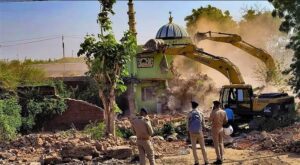
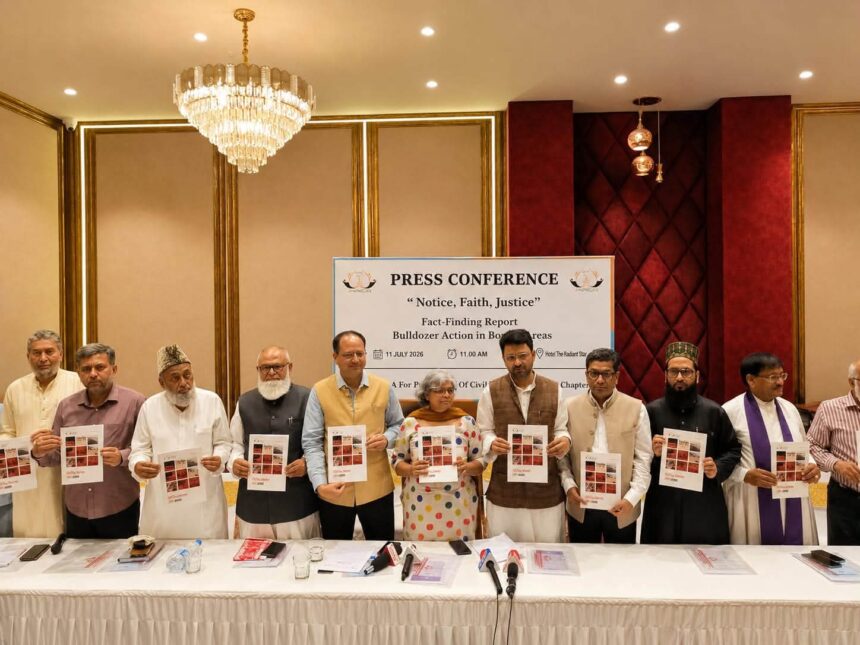
In a troubling pattern, the Rajasthan government has served demolition notices to more than 50 Muslim religious sites, including mosques and madrasas, particularly in border districts like Barmer, Jaisalmer, and Bikaner. A press conference held by the APCR in Jaipur shed light on these actions, which some believe exploit national security justifications to target the Muslim community. The report notes that seven religious structures have already been destroyed, igniting outrage and fears of systemic discrimination.
The APCR report, titled “Notice, Faith, Justice,” emphasizes that many of these demolitions occurred without following legal protocols. The short time given for affected parties to respond raises serious questions about the fairness of the process, suggesting that decisions were made with little genuine opportunity for defense. There has been significant pushback from local communities who argue that these actions represent a targeted assault on their cultural and religious heritage.
Legal and Community Responses
The legal implications of these demolitions are profound. The APCR has filed at least 19 writ petitions in the Rajasthan High Court for affected families, arguing that the demolition notices were served in a manner that violates the principles of natural justice. Residents have expressed concerns that the demolition drive disproportionately targets Muslim sites while ignoring similar sites belonging to other communities in the same geographical area.
Community leaders, including public representatives and advocates, are rallying support to contest these government actions. Local voices emphasize that there is a unified resistance against what is seen as an unconstitutional approach to managing religious communities, thereby fostering an environment of fear and exclusion among Muslims. Many argue that if left unchallenged, these actions could set a dangerous precedent not just for religious minorities but for civil rights in India as a whole.
Recommendations for Future Action
The APCR report outlines several recommendations aimed at rectifying the ongoing injustices. Urgent calls for a judicial inquiry under the supervision of the Rajasthan High Court would provide necessary oversight. Among the nine recommendations, the report stresses an immediate halt to proposed demolitions until hearings can be conducted appropriately. It also calls for transparency in disclosing notices and land records related to the targeted sites.
Furthermore, the APCR argues that national security should not come at the expense of constitutional rights. Highlighting the importance of using due process, the report insists that administrative actions impacting communities must align with established legal standards to maintain social order and harmony.
Why It Matters
This situation has significant implications beyond the scope of local governance and civil rights; it raises questions about national identity and social cohesion in a diverse country like India. As communities navigate the complexities of identity politics, understanding how actions taken in the name of security can undermine civil liberties is essential for fostering a stable democratic environment. The treatment of minority groups not only affects their rights but also shapes the perceptions of unity in the larger societal fabric.
Frequently Asked Questions
What led to the demolition of mosques in Rajasthan?
The Rajasthan government, under the BJP, has initiated demolition drives citing national security concerns and alleged encroachments on government land, particularly in border districts.
How many religious sites are affected by these demolitions?
According to the APCR report, over 50 mosques, madrasas, and dargahs have received demolition notices, with at least seven structures already dismantled.
What legal actions are being taken in response?
The APCR has filed at least 19 writ petitions in the Rajasthan High Court to challenge the legality of these demolition orders, arguing violations of due process and natural justice.
How are local communities responding to these actions?
Local communities, including Muslim and other groups, are uniting to protest the demolitions and are calling for adherence to fair legal processes. There is growing concern about eroding social trust and further marginalization of the Muslim community.