
Three UN special rapporteurs have raised significant concerns regarding the Indian government’s recent electoral roll revision process, highlighting potential discrimination against minority communities, particularly Muslims. Their letter implies that the Special Intensive Revision (SIR) has resulted in large-scale voter deletions that echo a troubling trend of exclusion driven by political rhetoric.
Government’s Electoral Roll Revision Process Under Scrutiny
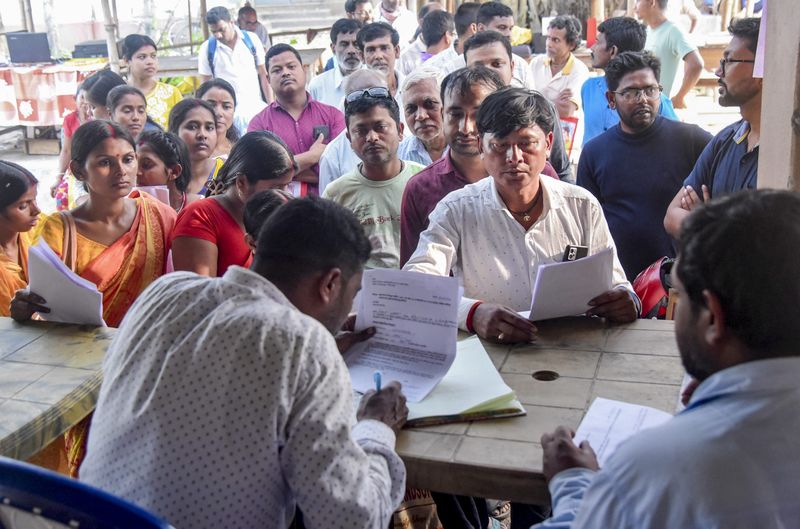
The Special Intensive Revision (SIR) of electoral rolls in India, initiated by the Election Commission of India (ECI) on November 4, 2025, has raised alarms over alleged discriminatory practices. This revision reportedly led to the removal of approximately 52 million names from voter lists across nine states and three Union Territories. A staggering 9.1 million deletions occurred in West Bengal alone, raising serious questions about the basis for these removals and their implications for democratic participation.
The UN rapporteurs specifically noted that many individuals who were deleted had valid identification documents, suggesting that the process may disproportionately impact minority communities. They mentioned that in Nandigram, a notable constituency in West Bengal, 95% of the deleted voters were Muslims, despite Muslims comprising only 25% of the electorate there.
Concerns About Discriminatory Rhetoric and Policy Framing
In their correspondence, the rapporteurs highlighted troubling statements from government officials that frame the deletion of voter names as a means to target “illegal Bangladeshi immigrants.” This rhetoric conflates legitimate Indian Muslim citizens with foreigners, effectively marginalizing a significant demographic. Key figures, including the Union Home Minister, have reportedly characterized the SIR as a way to “purify” electoral rolls, which raises serious concerns about potential discrimination against specific communities based on their religion or ethnicity.
The letter further referred to a concerning policy framing in parliament that promoted a “Detect, Delete and Deport” strategy. This language suggests a deliberate effort to exclude individuals based on their religious background, compounding fears of institutional biases and further entrenching social divisions.
The Role of AI in Flagging Voter Data Irregularities
The introduction of an AI-based system by the ECI to identify ‘irregularities’ in voter data adds another layer of complexity to the ongoing electoral process. The rapporteurs cautioned that such systems could introduce biases, as algorithmic decision-making can lack transparency and, given insufficiently vetted criteria, may inaccurately flag eligible voters as ineligible based on minor discrepancies. Such practices raise substantial concerns regarding the validity of the electoral process and the integrity of democratic institutions in India.
This reliance on AI must be scrutinized, particularly in light of the potential for error and bias in decision-making processes, which could adversely affect underrepresented communities. As the AI industry continues to grow, its intertwining with critical democratic processes necessitates a careful approach to ensure fairness and inclusivity.
Why It Matters
The implications of these developments extend beyond the immediate context of Indian democracy; they signal a disturbing trend that could influence AI governance worldwide. Governments increasingly rely on AI for public administration tasks, including electoral processes. This raises questions about how responsibly AI systems are designed and deployed, especially when they interact with marginalized communities. The potential for algorithmic bias must be addressed through robust guidelines to ensure that such technologies do not perpetuate systemic discrimination. Furthermore, how governments respond to allegations of electoral discrimination could set significant precedents for international human rights norms.
Frequently Asked Questions
What is the Special Intensive Revision (SIR) process?
The SIR process is a revision of electoral rolls initiated by the Election Commission of India aimed at updating voter lists and ensuring only eligible voters are included. It was launched on November 4, 2025.
How many names were deleted from the voter rolls during the SIR process?
Approximately 52 million names were deleted across several states and Union Territories, with West Bengal accounting for about 9.1 million deletions.
What concerns have the UN rapporteurs raised?
The UN rapporteurs have highlighted potential discrimination against minority communities, particularly Muslims, due to the large-scale deletion of voter names and the framing of deletions as targeting illegal immigrants.
How is AI being used in the electoral process?
The Election Commission of India has implemented an AI-based system to identify irregularities in voter data. However, the rapporteurs have expressed concerns about transparency and potential bias in these algorithms.