
Summary
Concerns are growing regarding the Indian government’s Special Intensive Revision (SIR) of electoral rolls, particularly over the mass deletion of Muslim voters. United Nations Special Rapporteurs have highlighted the disproportionate impact of this process on minority groups, raising alarms about potential human rights violations.
Impact of the Special Intensive Revision on Electoral Rolls
The Special Intensive Revision conducted by the Election Commission of India (ECI) has led to the deletion of millions of names from electoral rolls, with a particular focus on minority communities. The UN Rapporteurs emphasize that this mass removal strategically targets Muslim voters, raising significant concerns about the integrity of the electoral process ahead of the upcoming West Bengal Assembly elections. A report dated May 1, 2026, articulates the urgency for a response from the Indian government, stating that failure to address these concerns could lead to serious ramifications for the democratic process.
Recurring Patterns of Exclusion
This situation is not unprecedented; the UN Rapporteurs had previously expressed concerns during the compilation of the National Register of Citizens (NRC) in Assam. They scrutinized the ECI’s role in the exclusionary practices that disproportionately affected ethnic and religious minorities. The ongoing SIR appears to follow a similar pattern, highlighted by the rhetoric used by senior government officials, which conflates legitimate Muslim citizens with “illegal Bangladeshi immigrants.” This narrative raises red flags about intentional discrimination and social exclusion, complicating the already delicate socio-political landscape of India.
Allegations of Systematic Targeting
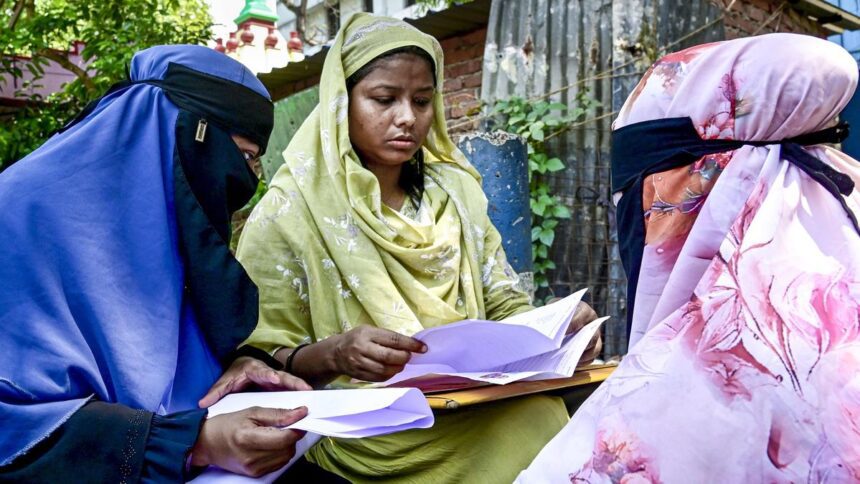
The report delves into multiple allegations surrounding the SIR process, including the utilization of opaque AI-driven methods for identity verification and the ambiguity surrounding the grounds for deletions. Instances of alleged voter name removals based on minor spelling errors and the insufficient time afforded to voters to organize necessary documents further exacerbate these concerns. Focusing on the constituency of Nandigram, the report states that approximately 95% of the deletions in this region affected Muslim voters, despite them constituting only 25% of the electorate. Such systemic targeting raises alarms over potential human rights violations rooted in discrimination and marginalization.
Why It Matters
The implications of these actions extend beyond individual voter rights to the core of India’s democratic framework. The situation poses significant challenges to the electoral integrity and fair representation of its diverse citizenry. For developers and advocates in the AI industry, these issues underline the ethical responsibility associated with the deployment of algorithms in governmental processes. The lack of transparency in AI-driven methodologies can contribute to systemic biases that have far-reaching social consequences. The implications for civil liberties and minority rights globally raise questions about the ethical use of technology in governance.
Frequently Asked Questions
What is the Special Intensive Revision process?
The Special Intensive Revision is a method employed by the Election Commission of India to update electoral rolls, which includes the deletion of names deemed ineligible or missing from the records.
How have UN Rapporteurs responded to the SIR?
Three UN Special Rapporteurs have issued a report expressing concerns over the large-scale deletion of Muslim voters, framing it as a potential violation of human rights, particularly in the context of non-discrimination and the right to vote.
What evidence exists regarding voter deletions?
The report specifically highlights that in the Nandigram constituency, 95% of the voters removed were Muslim, despite their smaller representation in the electorate. This statistic underscores the disproportionate impact of the SIR on minority voters.
Why is this issue significant for India’s democracy?
The manner in which electoral rolls are revised can affect the democratic process by excluding minority voices, potentially undermining fair representation and trust in electoral systems, which are foundational to democracy.