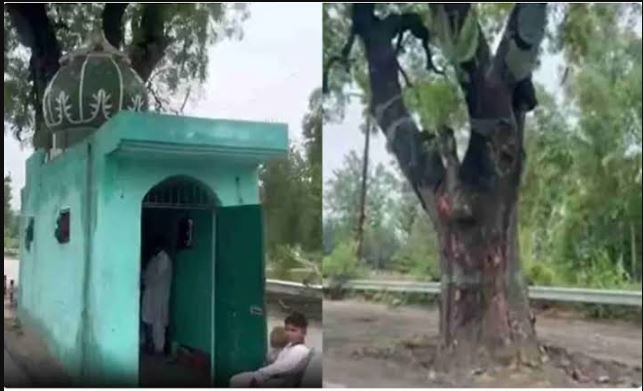

The demolition of a 150-year-old Muslim shrine in Uttar Pradesh highlights ongoing discrimination against Muslim communities in India. Authorities justified the destruction of the Hazrat Bairam Shah Miyan shrine in Rampur district as part of a road-widening project, fueling concerns about systematic targeting of Islamic religious sites under development pretenses.
Background of the Demolition
The shrine, known as Neem Wali Ziyarat, was demolished during the night, amidst heavy police presence. Local authorities claimed it was obstructing traffic flow, necessitating its removal for road expansion. Such justifications have drawn heavy criticism as they often mask underlying biases against Muslim heritage. The caretaker of the shrine, Nasir Miyan, voiced his frustrations, stating he had exhausted all legal channels to save the site, which has served the community for generations.
Community Response and Local Unrest
The overnight demolition sparked widespread anger among local residents, leading to fears of protests and necessitating a maintained police presence to manage tensions. Residents express concern over the consistent pattern of Muslim religious sites being labeled “unauthorized” and subsequently demolished under various pretexts, including alleged encroachments and redevelopment efforts. This incident has compounded feelings of disenfranchisement within the Muslim community, who face increasing marginalization in various social spheres in India.
Pattern of Targeting Islamic Sites
The incident in Rampur is not an isolated occurrence but rather reflects a series of actions taken by the BJP-led government in Uttar Pradesh. Critics assert that the systematic demolition of mosques, shrines, and seminaries mirrors a broader strategy to undermine Islamic cultural and religious heritage. Observers indicate that these actions disproportionately target Muslim places of worship, raising fears about a communal agenda that seeks to erase significant landmarks from the historical and cultural narrative of the region.
Why It Matters
This demolishment represents broader implications for Indian society and politics. It reflects a growing trend of intolerance that not only targets physical structures but also threatens the social fabric by marginalizing religious minorities. Such actions often lead to a cycle of protest and communal unrest, undermining peace and stability in the region. For developers and policymakers, it signals the importance of considering the socio-cultural impacts of urban planning decisions, reminding them that infrastructure development should not come at the cost of erasing cultural identities.
Frequently Asked Questions
What was the reason given for the demolition of the shrine?
Authorities claimed that the shrine obstructed traffic flow and needed to be removed to facilitate a road-widening project.
Who was responsible for the demolition?
The demolition was carried out by local authorities in the Rampur district of Uttar Pradesh, backed by a heavy police deployment.
What has been the community’s reaction to the demolition?
The demolition has sparked anger among local residents, leading to fears of protests and necessitating a heavy police presence to prevent unrest.
Is this incident part of a larger trend in Uttar Pradesh?
Yes, this demolition is seen as part of a systematic targeting of Muslim religious sites in Uttar Pradesh, with similar incidents reported in recent years under the pretext of redevelopment or anti-encroachment drives.