
Honoring a Forgotten Legacy
In a heartfelt initiative to preserve history, advocates in San Francisco’s Chinatown are immortalizing the legacy of Chinese American civil rights pioneer Wong Kim Ark. A new mural and an upcoming bust installation aim to remind communities of Wong’s significant contributions to immigration rights and American identity, particularly in a time when these themes resonate globally, including in India.
Reviving Wong’s Memory through Art
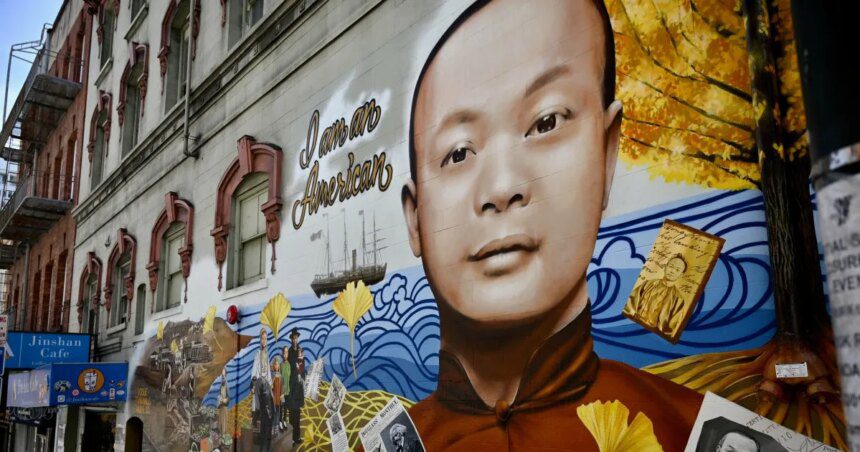
Wong Kim Ark’s story is pivotal in the history of the United States, especially regarding birthright citizenship. Advocates in San Francisco have commissioned a mural featuring Wong, set against the backdrop of the slogan “I am an American.” This mural is charmingly located at 751 Sacramento Street, the very site of Wong’s birth.
Further emphasizing Wong’s influence, a bust is planned for installation at the Nam Kue Chinese School. This educational institution serves as a beacon of knowledge about Chinese culture and history for young minds. The presence of the bust aims to inspire future generations to connect with their heritage and understand the sacrifices made by their ancestors.
The Community’s Role in Preservation
Vincent Pan, co-executive director of the San Francisco nonprofit Chinese for Affirmative Action, emphasizes the importance of community involvement in preserving Wong’s legacy. His fight against former President Donald Trump’s birthright citizenship order highlights the ongoing relevance of Wong’s Supreme Court case. Pan expressed their efforts to keep Wong’s story alive, reminding everyone of the human faces behind historical narratives.
Sandra Wong, one of Wong Kim Ark’s great-grandchildren, has also stepped into the spotlight to advocate for her great-grandfather’s legacy. At the mural’s unveiling, she encouraged active engagement in the fight for civil rights, reflecting on the collective effort required to effect change. Growing up feeling a disconnect from her Chinese heritage, she now recognizes the significance of being part of this revitalized narrative.
The Wider Implications for Immigrant Communities
The initiatives in San Francisco not only serve to commemorate Wong Kim Ark but also resonate broadly with immigrant communities around the world, including in India. As global immigration patterns shift, issues surrounding citizenship and identity are increasingly pertinent. Wong’s case stands as a reminder of the ongoing struggles individuals and communities face in asserting their rights in new countries.
In India, where immigration is a growing concern due to global job markets, understanding the implications of Wong’s legal battles can foster support for immigrant rights. As governments develop policies that affect immigrant populations, historical context provides important lessons about the need for vigilance and advocacy.
What This Means
For Indian readers, the story of Wong Kim Ark underscores the universal nature of the struggles for identity and rights faced by immigrants. As Indian expatriates navigate their own experiences in foreign lands, the lessons learned from Wong’s legacy highlight the importance of civic engagement and historical awareness. It serves as a reminder that the fight for rights and recognition is an ongoing journey that requires collective effort from individuals and communities.
Frequently Asked Questions
Who was Wong Kim Ark?
Wong Kim Ark was a Chinese American born in 1871 who became a pivotal figure in the legal fight for birthright citizenship in the United States. His case, Wong Kim Ark v. United States, established that children born in the U.S. to non-citizen parents were entitled to citizenship.
Why is Wong’s story significant today?
Wong’s story remains relevant as it highlights issues of citizenship, identity, and the complexities facing immigrant communities. His legacy continues to inspire discussions about civil rights and immigration policies in today’s socio-political climate.
How are modern communities remembering Wong?
In San Francisco, we see community-led initiatives such as murals and busts being created to honor Wong’s contributions. These projects serve as educational tools and inspire current and future generations to understand their rich heritage and the importance of activism.
What can Indian communities learn from Wong’s legacy?
Indian communities can draw from Wong’s journey the importance of civic engagement and historical consciousness. Advocating for rights and preserving cultural identity are vital steps in navigating the complexities of immigration and belonging in foreign lands.