
India’s Muslim Community Faces Growing Social Exclusion
The Indian Muslim community is experiencing increasing discrimination, social exclusion, and marginalization, particularly under the governance of the Bharatiya Janata Party (BJP) and its affiliated organizations. Recent comments by former IAS officer Niyaz Khan have sparked a significant debate regarding the impact of religious identity on safety and societal participation in India.
Niyaz Khan’s Controversial Comments on Religious Identity
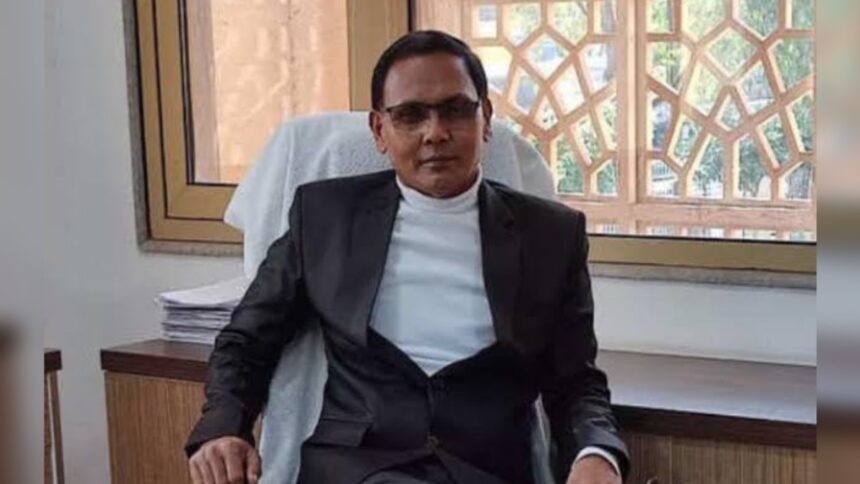
Niyaz Khan, a former Madhya Pradesh cadre IAS officer, recently took to social media to discuss the perilous consequences of visible religious identity for Muslims, particularly regarding mob lynching incidents. He posits that traditional attire—such as kurta-pajama, beards, and skull caps—makes Muslims easy targets for violence. He suggests adopting clothing reminiscent of Turkish Muslims to obscure religious identity as a means of ensuring safety. This perspective has reignited discussions on how attire and religious markers may influence societal acceptance and security in a multicultural society.
Such statements reflect a broader climate of fear within the Muslim community, driven largely by incidents of mob violence fueled by religious fanaticism. Reports indicate that over recent years, numerous cases of mob lynching in India have tragically involved Muslim victims, fostering an environment of trepidation among community members. Khan’s advice indicates a deeply ingrained social concern regarding the consequences of public identity, suggesting that Indian Muslims might need to forsake their cultural heritage for safety’s sake.
The Dynamics of Democracy and Governance in India
In a further critique of democratic mechanisms, Khan remarked on the effectiveness of democracy in various countries, including India. He highlighted that while nations claim to uphold democratic values, they frequently fall short in practice. Corruption is rampant, with leaders misusing governance structures to enrich themselves rather than serve the public. He claims that citizens often remain preoccupied with receiving welfare benefits, further complicating the accountability of those in power.
This critique invites scrutiny into the actual experiences of Indian minorities who navigate a political landscape marked by exclusion. The failure of legal and protective measures to secure the rights of Muslim citizens can be directly traced back to the systemic issues in governance identified by Khan. In many regions, policies and law enforcement often reinforce a climate of fear rather than protect the rights of all citizens regardless of their faith.
Environmental Concerns and the Call for Political Reform
Khan also weighed in on environmental degradation, warning that rampant materialism is inflicting long-term damage on the planet. He urged individuals of financial means and integrity to participate in politics to counter the current trend of electing candidates with criminal backgrounds. His position underscores a significant discord between the ideals of democracy and the reality of its practice in India, particularly as marginalized groups like Muslims find themselves underrepresented or ignored in political discourse.
This call to action is important as it elucidates the necessity for ethical representation in governance at a time when the voices of minorities are often overlooked. It also underscores an urgent need for policies that prioritize sustainability and justice, aspects that may disproportionately affect economically disadvantaged communities, including the Muslims of India.
Why It Matters
The ongoing discrimination and social exclusion faced by Indian Muslims have significant implications for social cohesion and overall democratic health. The rhetoric surrounding identity and safety can influence how various communities perceive one another and interact. A nuanced understanding of these dynamics is crucial for ensuring equitable treatment under the law and fostering a more inclusive society. This is essential not only for the Muslim community but for the integrity of Indian democracy as a whole.
Frequently Asked Questions
What are the current challenges faced by the Muslim community in India?
The Muslim community in India is currently facing challenges such as mob violence, social exclusion, discriminatory laws, and a perceived lack of protection from authorities.
How does the BJP government impact the rights of minorities?
The BJP government has been criticized for policies and rhetoric that many see as antagonistic towards minority communities, particularly Muslims, contributing to an atmosphere of fear and marginalization.
What are the implications of adopting a different cultural identity for safety?
Adopting a different cultural attire may provide short-term safety benefits, but it raises concerns about the erasure of cultural identity and the marginalization of minority groups in a diverse society.
Why is political integrity important for minority representation?
Political integrity is vital for fair representation and governance. It ensures that all voices, especially those from marginalized communities, are heard and that policies are enacted to protect their rights and promote their welfare.