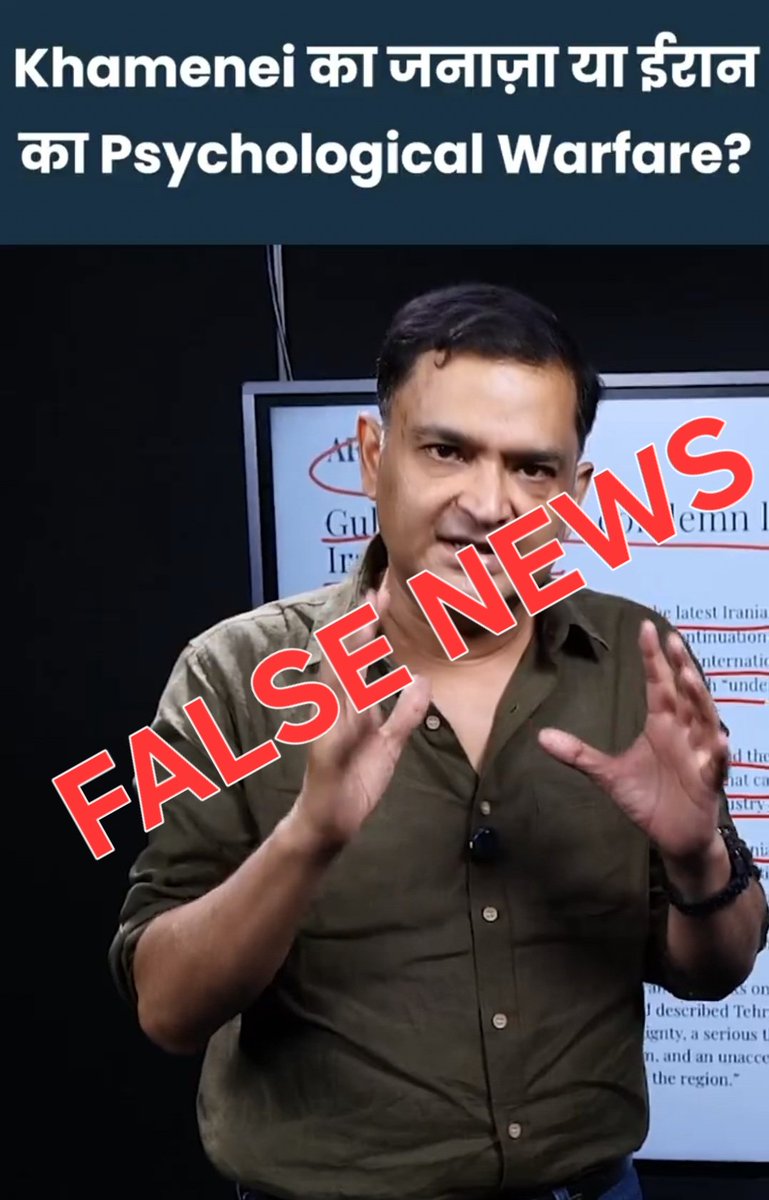

The Indian media landscape appears to be zealous in its critique of Israeli Prime Minister Benjamin Netanyahu’s stance towards Iran while promoting a narrative of unwavering friendship between India and Israel. This has raised concerns over the potential impact on India’s longstanding relations with Iran, a nation Netanyahu seems to be increasingly at odds with, especially as he proclaims India as his sole ally.
Media Narratives and Political Alliances
In recent discussions, India’s television media has found itself embroiled in the complexities of international diplomacy. With Netanyahu asserting that “only India is my friend,” he is framing India as a crucial ally in the Middle East, potentially at the expense of India’s ties with Iran. This alignment with Israel raises eyebrows, particularly given the historic and strategic connections India maintains with Iran, which date back decades.
Political analysts suggest that such media narratives can influence public opinion and governmental policy. In a landscape where every word from high-profile leaders is scrutinized, India’s reports could lead to the fraying of relationships that have benefitted the nation in economic and strategic terms. The media’s focus on Israel’s importance, often overlooking Iran’s contributions, could create unnecessary friction.
Iran’s Response and Regional Implications
The political discourse from Iran underscores a sense of unity and resilience, particularly following significant national events like the funeral of a key leader. As reported by accounts such as @Iran_in_India, over 40 million people attended ceremonies honoring their leadership, showcasing not just national pride but also a robust public participation. The Iranian government’s narrative emphasizes a portrayal of strength and collective resolve against perceived threats from Western media and adversarial nations.
Iran’s perspective reveals an adaptable strategy in dealing with international narratives while fostering a sense of unity among its citizens. The Islamic Republic focuses on promoting its strong image as a counter-narrative to the portrayal often found in Western and allied media, including Indian outlets. This leads to questions about how countries like India can navigate the complexities of such polarized international narratives.
The Role of Diplomacy in Indian Foreign Policy
India’s diplomatic strategy has often been characterized by its principle of non-alignment and a balanced approach towards both Iran and Israel. Historically, Iran has been a significant partner for India, especially in energy procurement and regional security initiatives. India’s investments in Iran, such as the Chabahar Port, emphasize mutual economic interests that have persisted despite regional tensions.
However, as Israeli influence grows, particularly in defense and technology sectors, challenges arise in maintaining a balanced foreign policy. The intonation of friendship by Netanyahu risks placing India in a position where it may need to reassess its commitments to Iran, especially as geopolitical landscapes shift. This delicate balancing act is critical for India’s sustained growth and stability in the region.
Why This Matters
The ongoing media narratives and political alignments could significantly influence future relations between India, Iran, and Israel. For Indian citizens, this issue is not merely about international relations; it impacts national security, economic collaborations, and even cultural exchanges. Striking a balance allows India to simultaneously benefit from advanced Israeli technology while sustaining its ties to a historically important partner in Iran.
The challenge lies in affirming India’s position as an independent player on the global stage without forfeiting its relations with either party. Hence, understanding these dynamics is crucial for Indian voters and policymakers alike as they navigate the complexities of modern diplomacy.
Frequently Asked Questions
What is the current state of India’s relationship with Iran?
India has historically maintained friendly relations with Iran, focusing on strategic partnerships in areas like energy and regional security. However, increasing ties with Israel have raised concerns about potential strains in this relationship.
How does Netanyahu’s statement affect India?
Netanyahu’s statement places India in a precarious position, as it highlights Israel’s growing role in India’s foreign policy while risking the deterioration of ties with Iran, a critical regional partner.
What should India prioritize in its foreign policy?
India should prioritize a balanced approach that safeguards its interests in both Israel and Iran, focusing on economic and security cooperation while maintaining its historical ties with Tehran.
Why is Iranian public sentiment significant in this context?
Public sentiment in Iran reflects national unity and resilience, which can influence Iran’s foreign policy decisions. Understanding this public support is crucial for India as it navigates its diplomatic relations in the region.