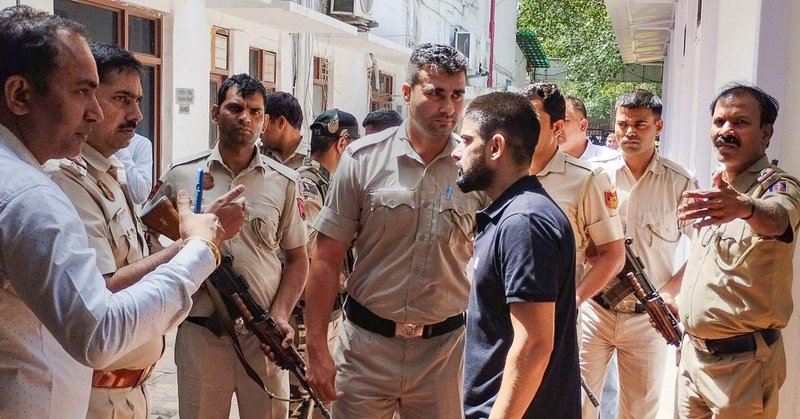

The recent indictment of gangster Lawrence Bishnoi by the United States has the potential to pave the way for his extradition from India. This move could significantly reshape the landscape of international crime and law enforcement collaboration between the two nations, contingent on existing treaties, court rulings, and diplomatic efforts.
Context of the Indictment
Bishnoi, known for his alleged involvement in criminal activities across India, has become a prominent figure in the global underworld. His indictment in the U.S. is primarily based on charges related to organized crime and drug trafficking. The move marks a substantial shift in focus, as the U.S. authorities aim to tackle transnational crime networks that extend beyond geographical borders.
This indictment aligns with the U.S. government’s ongoing initiative to disrupt organized crime syndicates that threaten both national and international security. It demonstrates a growing cooperation between Indian law enforcement and U.S. agencies, particularly in the fight against drug-related crimes and gang violence.
Extradition Process Explained
The extradition of Bishnoi from India to the United States will depend on multiple legal and diplomatic factors. India has established treaties with the U.S. that facilitate the extradition process; however, both countries must adhere to specific legal protocols. The process includes a careful examination of the charges, evidence presented, and any potential human rights concerns that might arise during extradition.
Furthermore, Indian courts have a significant role in deciding extradition cases. They evaluate whether the offense for which extradition is sought is recognizably a crime in India. If Indian courts find the U.S. charges credible and aligned with Indian law, they can sanction the extradition. However, this process can be protracted and complicated, as past cases have shown.
Political Ramifications
The indictment and potential extradition come at a time of increasing scrutiny of organized crime in India. Bishnoi’s connections extend deeply into various layers of society, and his extradition may uncover more information about the criminal underworld, potentially implicating others in high-profile cases.
Politically, this situation could lead to heightened scrutiny of the Indian government’s approach to handling organized crime and its international collaborations. Any delays or complications in the extradition could provoke criticism from political opponents and civil society, who may argue that the government is not adequately addressing the threat posed by organized crime.
Why This Matters
This extradition is crucial for Indian readers as it highlights the importance of international cooperation in combating organized crime. The move could serve as a precedent for future extradition cases involving other criminals who operate transnationally. It also underscores the role of diplomatic relations between India and the U.S., showing that both nations are increasingly willing to work together on matters of international security.
Moreover, the actions taken against Bishnoi symbolize a broader commitment by the Indian government to tackle the pervasive issue of crime and lawlessness in the country. The legal outcomes of this case might influence public trust in Indian law enforcement agencies and their ability to manage organized crime effectively.
Frequently Asked Questions
What are the charges against Lawrence Bishnoi in the U.S.?
Bishnoi faces charges related to organized crime, including drug trafficking and violence associated with gang activities.
What is the extradition process like between the U.S. and India?
The extradition process involves legal evaluations by both countries, required adherence to treaties, and potential court hearings in India to assess the legitimacy of the charges.
What could happen if India denies the extradition?
If India denies the extradition, it may lead to diplomatic tension between the U.S. and India, and the case might remain unresolved, allowing Bishnoi to continue his operations in India.
Why is this case significant for India?
This case sheds light on the international dimensions of criminal activity affecting India and strengthens the narrative of India cooperating with international partners to combat organized crime.