
Summary
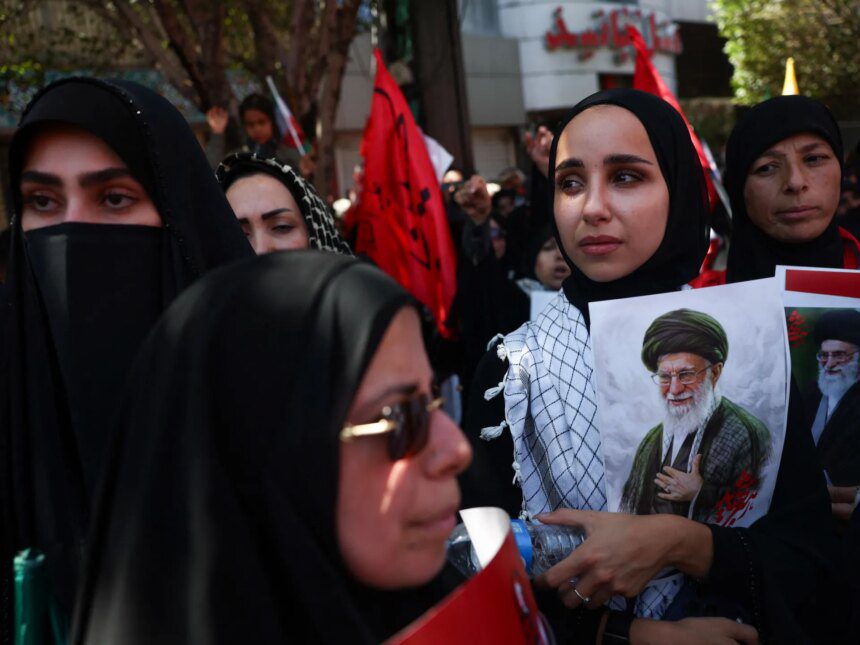
In a significant event marking the end of an era, thousands of Iranians have gathered in the eastern city of Mashhad for the burial of their Supreme Leader Ali Khamenei, killed in an Israeli strike during the ongoing U.S.-Israel war on Iran. With fervent calls for revenge echoing through the streets, this ceremony signifies not only a farewell to Khamenei but also a critical juncture in Iranian politics and society.
The Context of Khamenei’s Death
Ali Khamenei, who had ruled Iran for over 35 years, was assassinated on February 28, during the first day of hostilities between the U.S. and Israel against Iran. His death is a seismic event for the Iranian political landscape, raising questions not only about governance but also about the future of the Islamic Republic’s leadership. Observers note that his son and presumed successor, Mojtaba Khamenei, is currently unaccounted for, reportedly injured in the same strike. This uncertainty casts a shadow over Iran’s succession plans.
The Scale of the Funeral
The funeral drew a massive crowd, with estimates from Mashhad Governor Hassan Hosseini predicting an attendance of around 15 million people despite sweltering temperatures approaching 35 degrees Celsius (95 Fahrenheit). The city has turned into a scene of mourning and calls for retribution, with water sprinklers strategically deployed to keep the crowd cool. The burial ceremony, initially set to begin at 6 AM local time, was postponed to 2 PM due to delays in related ceremonies in Iraq.
Religious and Cultural Significance
Khamenei is set to be buried in the Shrine of Imam Reza, Iran’s most revered site of worship, which adds a layer of religious significance to the event. This burial site is not only a final resting place but also a national symbol, representing the intertwining of Iranian identity and Shiite Islamic faith. The funeral prayer will be led by 101-year-old Ayatollah Hossein Noori Hamedani, a notable conservative figure, emphasizing the event’s gravity within the religious establishment.
What This Means
The implications of Khamenei’s death extend beyond Iran’s borders. For India, a country with significant trade and diplomatic ties with Iran, this power vacuum could shift geopolitics in the region. The potential for instability might affect energy supplies, given Iran’s role as a major oil producer. Furthermore, the emergence of a new leader in Iran could lead to a recalibration of its relationships with nations across South Asia, especially in the context of India’s responses to the changing dynamics in the Middle East.
Frequently Asked Questions
Who was Ali Khamenei?
Ali Khamenei was the Supreme Leader of Iran, holding power for over 35 years and shaping the country’s policies and international stances during his tenure.
What killed Khamenei?
Khamenei was killed in an Israeli airstrike, marking a critical moment in the regional conflict involving the U.S., Israel, and Iran.
What are the expectations for Khamenei’s successor?
Although Khamenei’s son, Mojtaba Khamenei, is expected to succeed him, his reported injuries and absence during this critical period have raised questions regarding the future of Iranian leadership.
How is Iran’s public reacting to Khamenei’s death?
The public response has been one of mourning mixed with calls for revenge, indicating deep emotional and political tensions following his assassination.