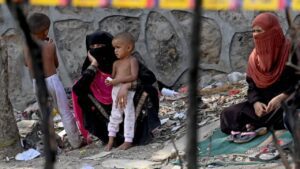

In a troubling escalation of social tensions in Mumbai, authorities have initiated a demolition drive that led to violent clashes, particularly targeting the Muslim community. The recent destruction of a mosque alongside hundreds of homes in the Garib Nagar slum has ignited accusations of discrimination, social exclusion, and police brutality.
The Demolition Drive: Background and Context
Initiated as part of an anti-encroachment operation ordered by the Bombay High Court, the demolition drive especially impacted the Garib Nagar locality in Bandra East. Over 500 structures, alleged to be illegally constructed on railway land, were targeted, with authorities noting that approximately 60 percent had already been cleared by the time the operation escalated on Wednesday. The three-storey mosque was specifically highlighted as an illegal structure, provoking significant community outrage.
Community Response and Clashes with Authorities
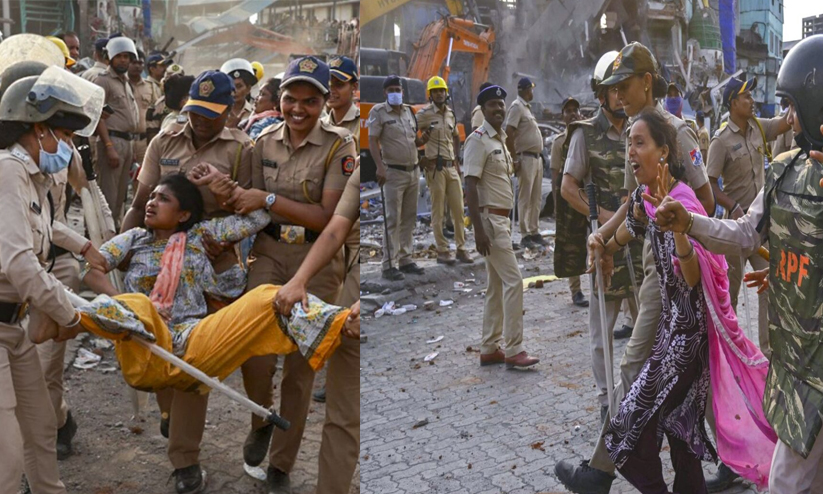
As city officials proceeded with the demolitions, large crowds from the Muslim community gathered to protest. Claiming that the operations were conducted without prior notice or an opportunity for residents to respond, the community accused authorities of discrimination. The situation intensified into unrest, with clashes erupting between residents and police. Law enforcement officials, bolstered by over a thousand security personnel, resorted to lathi-charges to disperse demonstrators. Reports emerged that women were subjected to police violence during these confrontations.
Allegations of Police Brutality
The response by police has raised serious concerns regarding the conduct of officers during the operation. Although authorities justified their use of force by asserting that some protesters hurled stones, eyewitness accounts and videos shared online depict alarming incidents, including the apparent assault of elderly residents. One widely circulated video shows an elderly woman being struck in the head during the demolition process, igniting further allegations of inhuman treatment and police brutality, particularly directed toward vulnerable members of the community.
Why It Matters
This situation underscores systemic issues of discrimination and marginalization faced by Indian Muslims, a demographic that has often faced socio-economic challenges. The demolition not only disrupts lives but also raises broader questions about the efficacy of legal judgments when they affect vulnerable populations disproportionately. Understanding these dynamics is crucial for policymakers, activists, and global observers aiming to address issues of human rights and social justice in India. Additionally, the operational response to such civil unrest raises concerns over law enforcement protocols, particularly regarding the treatment of civilians during civic actions.
Frequently Asked Questions
What led to the demolition of the mosque and homes in Mumbai’s Garib Nagar?
The Bombay High Court ordered a large-scale anti-encroachment drive aimed at clearing illegally constructed structures on railway land, with the Garib Nagar locality identified as a key area for these actions.
How did the local community respond to the demolition?
The community protested vigorously, arguing that the demolitions were conducted without prior notice and alleging that families were forcibly displaced from their homes and places of worship.
What actions did police take during the protests?
Police deployed a significant number of personnel and used lathi-charges to manage the unrest when clashes broke out between protesters and security forces. Reports indicate that police force led to allegations of brutality, especially concerning vulnerable residents.
What implications does this situation have for India’s Muslim community?
The demolition and subsequent unrest highlight ongoing issues of discrimination, economic marginalization, and social exclusion faced by the Muslim community in India, raising concerns about the implications for social cohesion and community rights.