
Spiritual Response to Wildfires in South Sumatra
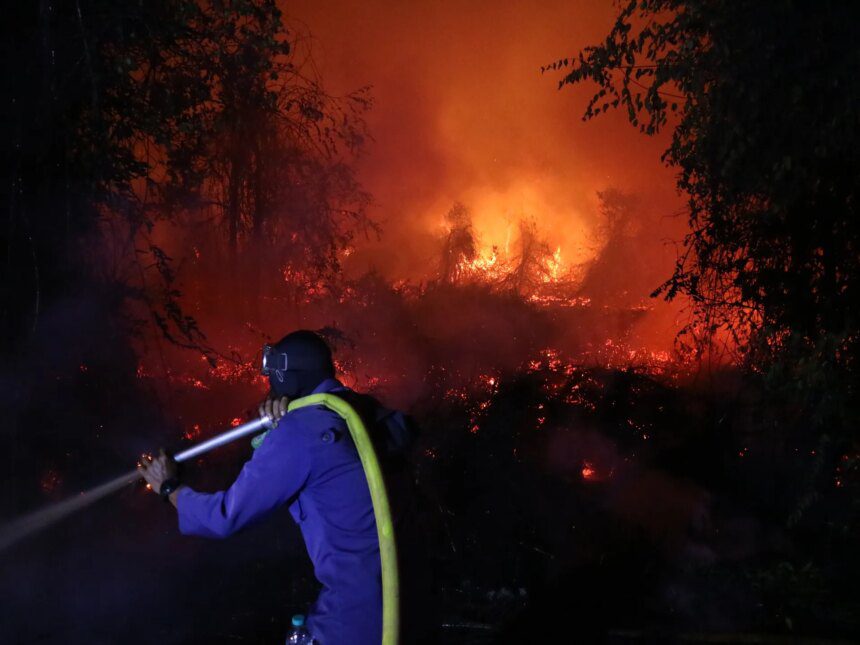
In South Sumatra, Indonesia, authorities are resorting to spiritual measures as intense wildfires engulf forests and peatlands, contributing to hazardous haze across the region. On Tuesday, approximately 3,000 residents of Palembang gathered for salat istisqa, an Islamic prayer intended to seek rain, as thick smoke made visibility difficult.
Current Situation and Causes of Wildfires
South Sumatra is currently experiencing the highest concentration of wildfire hotspots in Indonesia, with 1,429 identified by Environment Ministry satellites, followed closely by West Kalimantan and Central Kalimantan. From the beginning of July, nearly 940 square kilometers of land have burned, with over 20 square kilometers in South Sumatra alone. The recent increases in wildfires are attributed to an intensifying El Niño pattern, coupled with a prolonged dry season that worsens conditions for fire outbreak.
Governor Herman Deru, addressing the gathering prior to the prayers, stated, “We have done everything we can and worked closely with all relevant parties. As people of faith, we are also praying to God to send rain so that life can return to normal.” This highlights a significant cultural aspect of disaster management in the region, reflecting the intertwining of faith and environmental challenges.
Governmental and Community Response
In response to these wildfires, emergency crews are actively battling the blazes, deploying dozens of aircraft for cloud seeding and water bombing initiatives. Additionally, authorities have arrested 72 individuals in connection with the illegal practice of land clearing through fire, and four companies are currently under investigation for similar practices. This enforcement underscores the ongoing issue of land management and environmental conservation in Indonesia.
The National Disaster Management Agency reports that the smoke generated by the fires has traveled beyond Indonesian borders, affecting air quality in Malaysia and Brunei, posing health risks and causing disruptions in those countries. This cross-border haze issue is a recurrent problem in Southeast Asia, often leading to diplomatic tensions between affected nations.
Indonesia’s Seasonal Fires and Regional Implications
Seasonal fires have long been a flashpoint in Southeast Asia, impacting a wide range of socio-economic factors, including public health and regional commerce. The frequent haze from these fires can disrupt air travel and has significant health implications for populations exposed to prolonged air pollution. These crises compel countries like Singapore and Malaysia to implement stringent air quality monitoring and health advisories, further complicating regional relations.
Given that Southeast Asia grapples with climate-induced challenges, the urgency for collaborative regional strategies to mitigate such incidents is evident, especially with nations like India facing their own environmental challenges due to climate change.
What This Means
The wildfires in South Sumatra highlight the interconnected challenges of climate change, environmental management, and cultural responses to disasters. For Indian readers, this situation serves as a crucial reminder of the importance of sustainable land use practices, the role of spiritual community responses during crises, and the broader impacts of regional environmental issues. As India continues to grapple with its environmental challenges, the methods of crisis management and community resilience observed here could provide lessons for similar situations back home.
Frequently Asked Questions
What are salat istisqa prayers?
Salat istisqa prayers are special Islamic prayers performed to request rain, often conducted in times of drought or when facing environmental stresses exacerbated by climate conditions.
How do wildfires affect air quality?
Wildfires release large amounts of particulate matter and gases into the atmosphere, significantly degrading air quality, which can lead to health issues such as respiratory problems for the exposed populations.
What are the regional implications of the haze caused by wildfires?
The haze from wildfires can drastically affect neighboring countries, disrupting air travel, impacting health, and creating diplomatic tensions due to transboundary pollution.
How does El Niño affect wildfire occurrences?
The El Niño phenomenon alters weather patterns, often resulting in prolonged dry seasons and higher temperatures, which can increase the likelihood of wildfires in susceptible areas like Indonesia.