
Escalating Tensions Between the US and Iran: A Firm Warning from Trump
In a recent statement, US President Donald Trump signaled a stark ultimatum to Iran regarding nuclear negotiations, emphasizing America’s readiness to use military action if diplomatic efforts fail. This warning follows the collapse of indirect talks aimed at establishing a long-term agreement, indicating a growing impatience on Washington’s part.
Trump’s Remarks: Diplomacy vs. Military Action
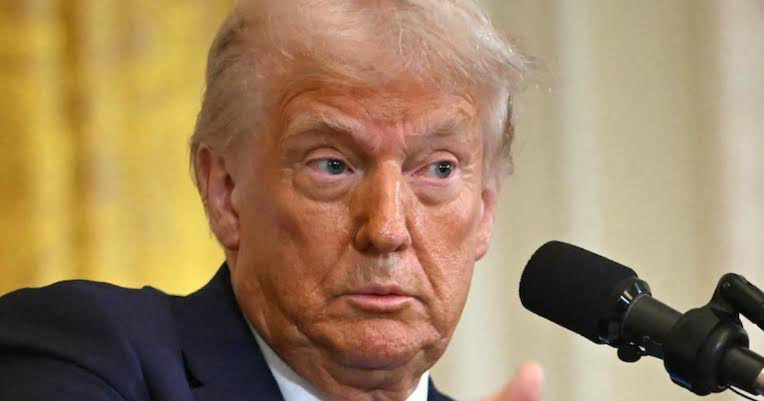
During a press briefing in the Oval Office on July 6, Trump made it clear that the US was determined to either secure a nuclear deal with Tehran or take drastic military action. “We’re either going to make a deal or we’re going to finish the job. And it won’t be tough to finish the job,” he stated, signaling a potential escalation in military readiness. He underscored his preference for a diplomatic solution, citing concerns for the broader population, stating, “I’d rather make a deal because I don’t want to affect 91 million people.”
Trump elaborated on the military capabilities available to the US, asserting that American forces could rapidly target Iran’s infrastructure. His comments emphasize the US’s core objective to prevent Iran from developing nuclear weapons amidst frustrating ongoing negotiations.
Iran’s Rebuttal: Unyielded Resolve
The Iranian government responded swiftly, dismissing Trump’s threats. Foreign Minister Seyed Abbas Araghchi declared that Tehran would neither be coerced into negotiations nor intimidated by US military posturing. In a tweet, he reinforced national unity in the wake of Supreme Leader Ayatollah Ali Khamenei’s death, stating, “Neither them nor our Brave Armed Forces are moved by any threats.” Furthermore, Araghchi referenced a memorandum of understanding that restricts discussing final deals under conditions of threats, showcasing Iran’s commitment to its stance.
Context of the Rising Rhetoric: Mourning and Military Restraint
Trump’s statements come in the context of a recent Axios interview on July 4, where he questioned the authenticity of the public mourning for Khamenei. He mentioned that US forces could have targeted Iranian leaders during mourning ceremonies but chose restraint to keep diplomatic channels open. Trump’s musings reflect a perception of military opportunism while acknowledging the delicate dynamics at play.
In response, Iran’s embassy in Armenia condemned Trump’s remarks fiercely. They stated that while lives may be lost, ideals endure, challenging the US’s historical and cultural understanding. This exchange exemplifies the increasingly tense rhetoric between the two nations as they navigate the implications of Khamenei’s death and the future of nuclear diplomacy.
Why It Matters
The ramifications of escalating tensions between the US and Iran extend beyond immediate geopolitical concerns. For global diplomatic efforts, the situation illustrates the fragility of negotiation processes, demonstrating how quickly diplomatic overtures can dissolve into threats of military action. The responses from both governments indicate a pronounced commitment to their respective narratives, which complicates the potential for reconciliation. Ultimately, the fallout from this standoff could influence regional stability, energy markets, and international relations, pressing global leaders to find innovative avenues for diplomatic engagement.
Frequently Asked Questions
What did Trump say about negotiations with Iran?
Trump emphasized that the US would either make a deal with Iran regarding nuclear capabilities or resort to military action to “finish the job.”
How did Iran respond to Trump’s warnings?
Iran’s Foreign Minister Seyed Abbas Araghchi dismissed Trump’s threats, stating that Tehran would not negotiate under coercion and highlighted national unity following the death of Khamenei.
What is the significance of Khamenei’s death in this context?
Khamenei’s death adds complexity to US-Iran relations and impacts the ongoing nuclear negotiations, potentially altering the power dynamics within Iran.
What does the US believe about Iran’s nuclear intentions?
The US is committed to preventing Iran from developing nuclear weapons, viewing this as a core objective influencing its diplomatic and military strategies.