
Summary
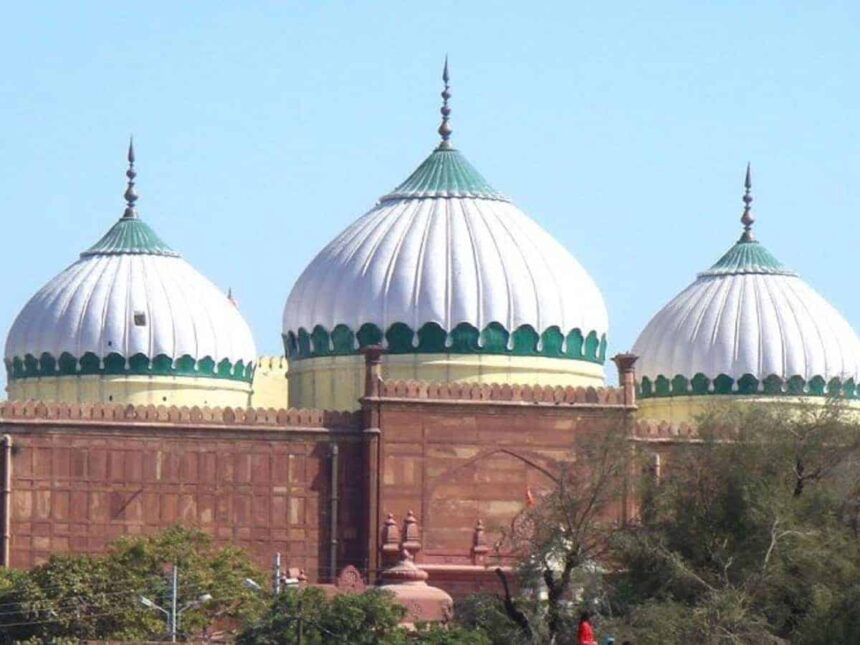
Recent calls from a Hindu extremist preacher in India for the demolition of the historic Shahi Eidgah Mosque in Mathura signal a troubling escalation of anti-Muslim rhetoric. This has raised concerns about religious polarization and the safety of Islamic sites, paralleling previous incidents that led to significant communal violence in the country.
Call for Demolition of Shahi Eidgah Mosque
In a video that has circulated widely on social media, Swami Satchidanand, the head of Shri Chitragupt Peeth in Vrindavan, Uttar Pradesh, openly called for the demolition of the Shahi Eidgah Mosque. He claimed that the mosque was built over the birthplace of the Hindu deity Krishna, urging his followers to take mass action to reclaim the site. Echoing the sentiments that led to the destruction of the Babri Mosque in 1992, Satchidanand suggested that supporters should no longer wait for judicial processes and should instead engage in proactive demonstration.
He coined slogans like “One more push, bring down the dome,” asking participants to mobilize ahead of the Janmashtami festival—a significant occasion for Hindus—to carry out plans to make the demolition a reality. This statement has given rise to fears of renewed violence and unrest in an already polarized environment.
Historic and Ongoing Tensions
The Shahi Eidgah Mosque stands adjacent to the Krishna Janmabhoomi temple complex, making it a focal point in the ongoing debate about religious sites in India. The mosque is currently the subject of multiple lawsuits, with various factions claiming ownership and legitimacy over the space. The call for its demolition comes at a time when other historic mosques, such as the Gyanvapi Mosque in Varanasi, are also under increased scrutiny, further exacerbating communal tensions.
These developments occur against a backdrop of escalating hostility toward Muslim communities in India, which has manifested in various forms of social exclusion, economic boycotts, and systemic discrimination. The rise in such incidents reflects not only a battle over religious identities but also a disturbing trend towards normalizing religious intolerance.
Wider Implications of Religious Polarization
The recent statements by Satchidanand have greater implications beyond the immediate call for demolition. They reflect a growing trend of marginalization of Muslim communities in India, particularly under the current governance led by the Bharatiya Janata Party (BJP) and affiliated Sangh Parivar organizations. This socio-political climate has led to a rise in fear among Muslims, who find themselves increasingly isolated from social and economic opportunities.
With growing instances of anti-Muslim rallies and inflammatory speeches, many civil rights organizations have raised alarms about the current legal and social frameworks failing to provide adequate protections for minority religious sites. As the BJP continues to consolidate its power, the marginalization of Muslims poses risks to India’s social fabric and democratic values.
Why It Matters
The escalation of religious tensions has far-reaching implications for social cohesion and stability in India. As calls for demolition gain traction, they contribute to an environment where communal violence may become more accepted. The increasing fragmentation of society along religious lines could undermine democratic norms, complicating efforts for social integration and secular governance. Understanding these dynamics is essential for global observers and policymakers concerned with human rights and religious freedoms.
Frequently Asked Questions
What is the Shahi Eidgah Mosque?
The Shahi Eidgah Mosque is a historic mosque located in Mathura, Uttar Pradesh, next to the Krishna Janmabhoomi temple complex. The mosque is the subject of ongoing legal disputes concerning its ownership and significance.
Who is Swami Satchidanand?
Swami Satchidanand is a Hindu preacher and the head of Shri Chitragupt Peeth in Vrindavan, Uttar Pradesh. He has recently made inflammatory statements advocating for the demolition of the Shahi Eidgah Mosque.
What is the Babri Mosque incident?
The Babri Mosque was a mosque in Ayodhya, India, that was demolished in 1992 by Hindu extremists, an event that sparked widespread communal riots and violence across the country.
What are the potential consequences of these calls for demolition?
Such calls can exacerbate communal tensions, lead to violence, and further marginalize Muslim communities in India, posing significant risks to social harmony and democratic principles.