
Summary
The Ganj Shahida mosque in Varanasi faces potential demolition following a controversial notice from the railway administration, which claims the mosque is an illegal construction on railway land. The mosque committee, however, disputes these claims, citing historical evidence of the mosque’s existence predating railway infrastructure and alleging a pattern of targeting Muslim properties under the guise of redevelopment.
Demolition Threat to Historical Mosque
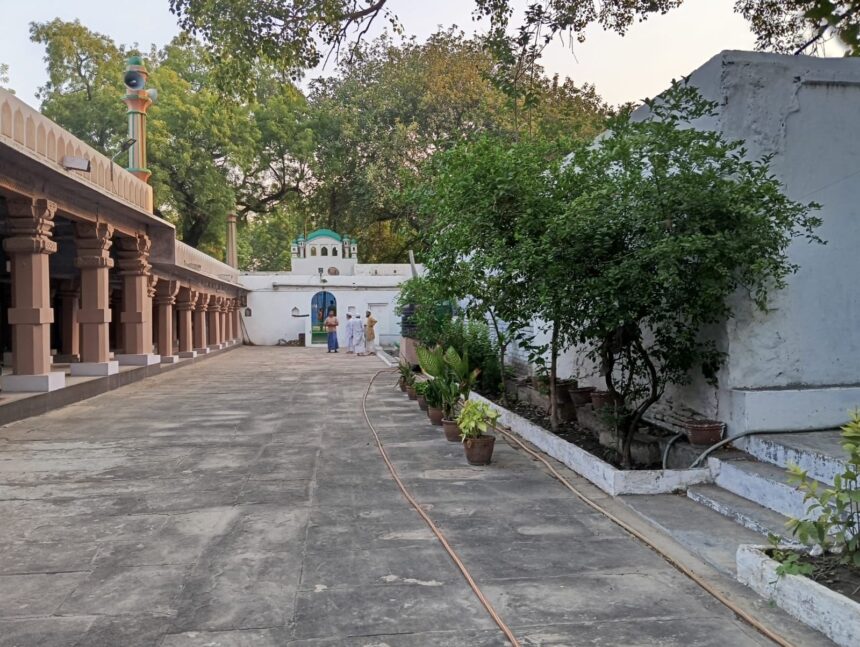
On June 12, a notice appeared on the wall of the Ganj Shahida mosque located near Kashi Railway Station, stating that the structure is an “illegal construction” and ordering its removal by June 20, 2026. The notification references a civil suit—Suit No. 1174/1991—that reportedly was dismissed in 2024, prompting the railway administration to act. The notice is controversial due to its lack of an official date, stamp, or signature, raising questions about its legitimacy.
Disputed Claims and Legal Context
The Anjuman Intizamia Masajid, representing the mosque, has countered the railroad’s claims, asserting that the cited civil suit does not pertain to the mosque itself but concerns land adjacent to it. The mosque committee emphasizes that the railway administration previously acknowledged in legal affidavits that the mosque existed prior to the establishment of the railway line. They argue that the current threat is not only unfounded but also undermines historical records that date the mosque back to the early 17th century, appearing in official settlement maps as early as 1883-84.
Concerns over Targeting of Minority Properties
The demolition notice comes on the heels of a recent incident where another mosque, the Azgaib Shaheed mosque, was demolished without adequate notice during an overnight operation to clear land for the railway station’s redevelopment. Critics, including Muslim leaders and human rights activists, have expressed concern that these actions reflect a broader pattern of targeting historical Muslim properties under the pretext of development. They argue that such redevelopment efforts often proceed without adherence to historical facts, disproportionately impacting the Muslim community.
Why It Matters
The situation surrounding the Ganj Shahida mosque raises significant questions about the intersection of historical preservation and contemporary urban development. By examining the legal, social, and political implications of such demolitions, stakeholders—including policymakers, urban planners, and community leaders—can better understand the complexities involved in balancing developmental needs against the preservation of cultural heritage. Moreover, it highlights the increasing tension around communal identities in India and the necessity for fair legal proceedings that respect historical contexts in redevelopment projects.
Frequently Asked Questions
What are the allegations against the railway administration regarding the Ganj Shahida mosque?
The railway administration claims the mosque is an illegal construction on their land, while the mosque committee argues that the claims are misleading and not based on the actual legal context surrounding the mosque itself.
How does the history of the mosque impact the current dispute?
The mosque committee asserts that historical records and maps indicate the mosque existed before the railway was established, which they argue validates their claim to the land and counters accusations of encroachment.
What recent events have heightened concerns about property demolitions affecting Muslims in India?
Recent demolitions, including that of the Azgaib Shaheed mosque, have raised alarms among community leaders and activists regarding a systematic targeting of Muslim properties under the guise of urban redevelopment, prompting wider discussions about discrimination and social exclusion.
What actions is the mosque committee planning to take in response to the demolition threat?
The mosque committee plans to contest the demolition order legally, stating they will approach the High Court with historical evidence to support their claim of rightful ownership of the land on which the mosque stands.