
Summary
The recent air strike that resulted in the death of Iran’s Supreme Leader Ali Khamenei and his family has reignited tensions in the region. The aftermath has drawn responses from global leaders, amidst ongoing Israeli military actions in Lebanon and Gaza, underscoring the complexity of geopolitical relations and their local impacts.
Massive Turnout for Funeral Prayers
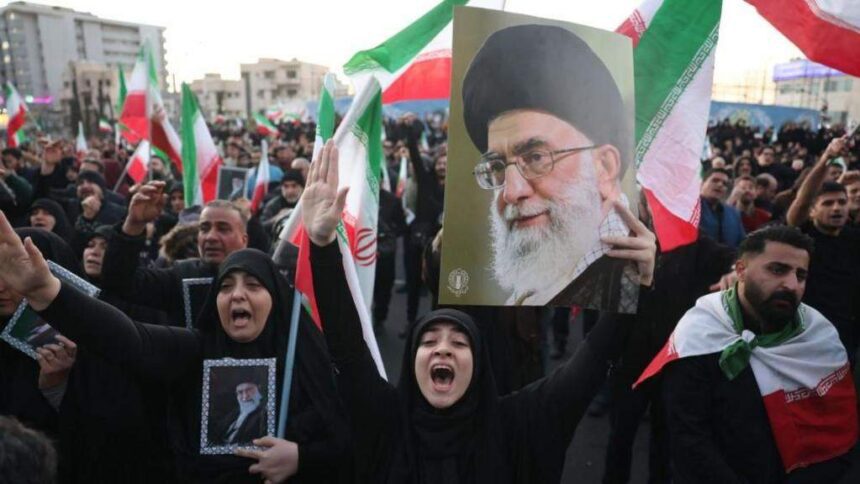
In an event marked by significant public outpouring, millions of people gathered for funeral prayers following the assassination of Ali Khamenei and four members of his family on February 28. The airstrike, attributed to US-Israeli collaboration, has been portrayed as a pivotal moment in Iran’s political landscape, elevating nationalist sentiments and challenges to external intervention.
International Responses and Tensions
US President Donald Trump has publicly assessed the situation, stating, “neither side will shoot the other during the funeral proceedings.” This assertion comes amid ongoing dialogue between the US and Iran, aimed at diffusing current tensions. Talks are expected to persist beyond the funeral ceremonies, suggesting that diplomatic channels remain open despite the recent violent escalation.
Escalating Regional Conflicts
Concurrently, the Israeli military continues to engage in operations across Lebanon and Gaza, resulting in civilian casualties—including a confirmed death in southern Lebanon and two Palestinians in Gaza City and Jabalia refugee camp. These actions contribute to the volatile atmosphere in the region, raising concerns over the humanitarian impact and the potential for broader conflict.
Turkey’s Diplomatic Stance
In light of these developments, Turkish President Erdogan has accused Israel of undermining a recent US-Iran memorandum of understanding. Erdogan has emphasized Turkey’s readiness to assist in peace initiatives in the region, advocating for diplomatic solutions amidst rising tensions. His comments reflect Turkey’s proactive approach to regional diplomacy, as they aim to position themselves as mediators in the conflict.
Why It Matters
The current tensions in the Middle East not only affect regional stability but also have global implications. The intersection of military actions and diplomatic negotiations raises questions about the future of foreign policy in the region. For developers and users of AI in geopolitics, understanding these dynamics is crucial. AI tools may be employed to analyze social media sentiments, predict conflict escalation, and aid in decision-making for diplomatic strategies. The potential applications of AI in crisis management highlight the need for informed and ethical use of technology in political contexts.
Frequently Asked Questions
What was the reason behind the US-Israeli air strike on Khamenei’s compound?
The air strike was part of heightened political tensions and military operations that reflect underlying conflicts between Iran, the US, and Israel. The specific reasons cited typically involve counterterrorism measures and perceived threats from Iran’s influence in the region.
How has Iran responded to the assassination of its Supreme Leader?
Iran has experienced a surge in nationalist sentiment following the airstrike, with public gatherings for mourning displaying solidarity. The political landscape within Iran is likely to shift in response to this event, influencing both domestic and foreign policy.
What human rights concerns arise from the Israeli military actions?
The ongoing Israeli military operations in Lebanon and Gaza raise significant human rights concerns, particularly regarding civilian casualties and access to essential services. Human rights organizations have condemned these actions, pointing out the impact on vulnerable populations, especially children and the elderly.
How could Turkey’s involvement influence the situation?
Turkey’s involvement may act as a stabilizing factor in the region. By offering to mediate between conflicting parties, Turkey seeks to foster dialogue rather than confrontation, which could potentially lead to a ceasefire or diplomatic agreements that benefit regional peace efforts.