
Waking Up to Reality: The Muslim Community in India Faces Challenges
The recent dynamics within communities in BJP-ruled states illustrate a broader environment of social exclusion and economic marginalization affecting Muslims across India. Amidst rising tensions marked by targeted rhetoric and actions against Muslims, community leaders express deep concern over the impact on daily life, businesses, and cultural expressions.
Escalating Tensions and Community Fear
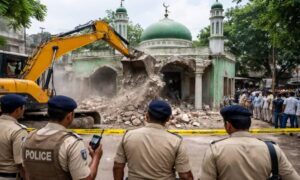
During a recent gathering of Muslim speakers, a consensus emerged that their community is becoming increasingly aware of the hostile environment prevalent in BJP-ruled states. Reports of demolition drives in areas densely populated by Muslims—such as Tangra, Tiljala, Khidderpore, Ekbalpore, Garden Reach, and Park Circus—are causing anxiety. While irregular structures in other areas remain untouched, the selective targeting has raised alarm bells among community members.
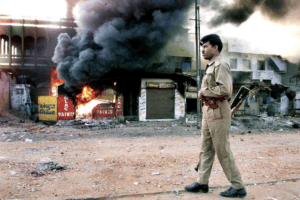
The climate of insecurity is exacerbated by the prevalence of rhetoric surrounding ‘love jihad’, infiltration, and Uniform Civil Code (UCC), which keeps the community on edge. Additionally, law enforcement agencies have increased scrutiny and arrests of individuals categorized as “Muslim anti-socials,” further perpetuating a narrative of suspicion and fear.
The Economic Impact: Marginalization of Muslim Businesses
The economic landscape for Muslims is deteriorating. Manzar Jameel, an electrical components manufacturer, shares troubling news of decreased orders and shut factory lines, indicating a noticeable decline in business viability. “It’s not just Bengal,” he states, “Muslims are being pushed to the margins everywhere in India.” Regulations like the ban on street hawkers disproportionately impact Muslim workers in urban areas, effectively choking small businesses and undermining livelihoods.
Culture and Community: The Erosion of Vibrance
Once a culturally rich neighborhood, Park Circus in south Kolkata, known for its lively street food and historic significance, is experiencing a notable shift. This area has been home to illustrious figures, including celebrated sportspersons and musicians. However, the recent Eid celebrations on May 28 were starkly muted, with restrictions on ritual slaughter and limitations on public prayer gatherings. The relocation of Kolkata’s central Eid namaz, traditionally held at Red Road for over fifty years, to the Brigade Parade Ground reflects the changing dynamics affecting Muslim cultural expressions.
The streets of these neighborhoods, bustling with small businesses and active prayer gatherings, now find themselves in a defensive stance, navigating continuous communal provocations. The fear of exclusion and potential detention looms large, altering the very fabric of these communities.
Why It Matters
The unfolding situation in these Muslim communities is emblematic of a larger trend impacting social cohesion and economic equality in India. The marginalization of one group can lead to long-term ramifications for community resilience and economic stability. The portrayal of Muslims in public discourse can influence developers and policymakers, who may find themselves navigating an environment increasingly fraught with communal tensions. For the AI industry, recognizing the diverse narratives and experiences of marginalized populations is essential for building systems that are equitable and reflective of society as a whole.
Frequently Asked Questions
What is “love jihad”?
“Love jihad” refers to a controversial term used by some groups in India to suggest that Muslim men are trying to convert non-Muslim women to Islam through deceptive means in romantic relationships.
How are Muslims economically impacted in India?
Muslim communities in India are facing economic difficulties due to business closures, bans on street vendors, and targeted actions from authorities, leading to reduced opportunities for livelihood.
What are the concerns about the Uniform Civil Code (UCC)?
The UCC proposes a common set of laws for all citizens in personal matters like marriage and inheritance, which many in the Muslim community fear could undermine their religious laws and practices.
Why are some Muslim celebrations restricted?
Recent reports indicate that celebrations, such as public prayers and rituals during Eid, have faced restrictions due to the increasing scrutiny and regulation of public gatherings in Muslim-majority areas.