
The Indian government has withdrawn its earlier regulatory order on natural gas supply as the ongoing conflict in the Middle East reveals signs of resolution. This decision is significant for India, a major importer of liquefied natural gas (LNG), as it allows the resumption of shipments through the strategically crucial Strait of Hormuz, directly impacting energy availability in the country.
Impact of the Conflict on LNG Imports
The recent escalation of conflict in West Asia, specifically the closure of the Strait of Hormuz (SoH), had severely disrupted India’s LNG imports. The government had previously issued an order in March 2026 regulating the supply of natural gas, primarily to prioritize key sectors due to the ongoing crisis. According to a gazette notification on July 4, 2026, the government noted that the invocation of the force majeure clause by suppliers led to a diversion of natural gas to sectors deemed essential, which includes compressed natural gas (CNG) and domestic piped natural gas (D-PNG).
This regulatory shift demonstrated the need for an equitable distribution of natural gas, allowing the government to manage allocation effectively during tumultuous times. The resolution of the conflict has enabled a more stable environment for LNG shipments, a necessity for India’s energy framework.
Ceasefire Brings Hope to LNG Shipments
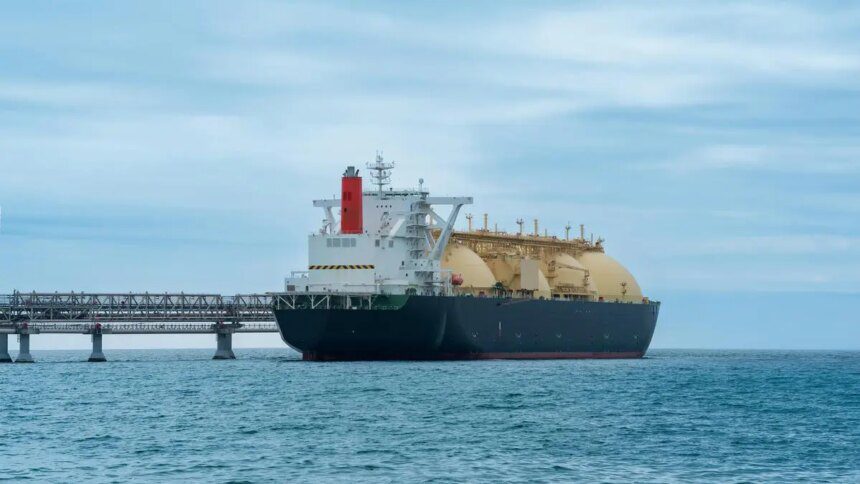
Recent developments indicate that ongoing negotiations have led to a ceasefire in the Middle East. This has allowed sea traffic through the Strait of Hormuz to resume, crucial for vehicle transporting LNG to Asian markets, where India is a significant player. According to the U.S. Energy Information Administration (EIA), a substantial portion of LNG shipments—83 percent—transited through the SoH, with major Asian nations, including India, making up a significant portion of recipients.
The ability to restore LNG shipments through this critical waterway not only enhances energy security for India but also stabilizes the global LNG market, which had been affected by rising geopolitical tensions. This change is poised to benefit diverse sectors in India that depend on natural gas, further supporting India’s goal of becoming an energy self-sufficient nation.
Normalisation of Energy Supply Aimed at Priority Sectors
The government’s decision marks a turning point, as it indicates a return to normalcy in India’s energy supply chain. It has recently lifted caps on the sale of diesel and petrol while reducing prices for commercial liquefied petroleum gas (LPG), domestic Aviation Turbine Fuel (ATF), and smaller LPG cylinders. This reflects a strategic pivot towards stabilizing energy prices for both consumers and industries alike.
Furthermore, the government had previously invoked emergency powers under the Essential Commodities Act to ensure that priority sectors continued receiving adequate natural gas supplies. The imperative for natural gas in agriculture (fertilizers) and transportation sectors underscores the essential nature of these resources for India’s economy.
What This Means
The withdrawal of the order regulating LNG supply signifies a positive shift for India’s energy landscape as it navigates challenges stemming from global conflicts. With a heavy reliance on imported LNG—41.4 percent of which comes from Qatar—the availability of LNG has direct implications not only for energy prices but also for inflation and energy-dependent industries.
As India moves forward, improved access to natural gas may spur growth in various sectors and enhance overall economic stability. The return to normalcy in energy supplies is critical as it reinforces India’s commitment to ensuring energy security for its citizens and businesses.
Frequently Asked Questions
How does the conflict in the Middle East affect India’s LNG imports?
The conflict has led to disruptions in LNG shipments through the Strait of Hormuz, a key passage for global energy supplies, forcing the government to regulate distribution and prioritize essential sectors.
What is the significance of the ceasefire in relation to LNG shipments?
The ceasefire has allowed the resumption of sea traffic through the Strait of Hormuz, facilitating LNG shipments and stabilizing energy supplies essential for India’s economy.
What measures has the Indian government taken in response to the energy crisis?
The government lifted price caps on diesel and petrol and ensured 100 percent natural gas supply to priority sectors like CNG and D-PNG, while also regulating the distribution of natural gas during the conflict period.
How does LNG price fluctuation impact consumers in India?
LNG price fluctuations can affect energy tariffs and fuel costs, impacting various sectors, including transportation and agriculture, which rely heavily on natural gas for operational efficiency.