
Summary
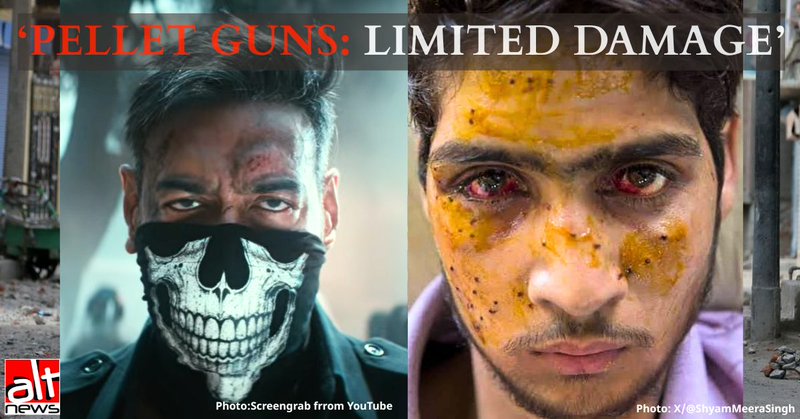
The recent teaser for the film “Chauhaan” has sparked outrage by trivializing the severe injuries caused by pellet guns in Kashmir. Critics argue that the film distorts the real and painful experiences of victims affected by violence, particularly through the use of jarring musical choices like “Jumma Chumma De De.”
Context: The Human Cost of Pellet Guns
Kashmir has been a site of prolonged violence, with pellet guns being a particularly controversial tool used by security forces against civilians during protests. Thousands have suffered serious injuries, with many losing their eyesight, highlighting the grave repercussions of such weaponry. The government has faced substantial criticism for how it manages civil unrest, and the health crisis resulting from pellet injuries has continued to grow.
Background: The Film and Its Reception
“Chauhaan,” directed by a notable filmmaker, has attempted to weave a narrative around this contentious issue. However, the film’s portrayal has been labeled as insensitive. The use of a popular and upbeat song like “Jumma Chumma De De” in the film’s promotional material has only aggravated the perception that it turns a tragic reality into a spectacle. Critics argue that this sends a damaging message about the severity of the injuries sustained by civilians.
Analysis: A Disconnect with Reality
Commentators have pointed out a significant disconnect between the film’s narrative and the lived experiences of those in Kashmir. Dismissing pellet injuries as ‘limited damage’ undermines the brutal reality faced by individuals and families. This portrayal can be seen as a form of erasure of their trauma and suffering. The film’s approach may garner entertainment value, but it risks trivializing an ongoing crisis that demands serious attention and empathy.
Why This Matters
The implications of how Kashmir is portrayed in cinema and media are significant for Indian society as a whole. The normalization of violence and the trivialization of civilian suffering can desensitize viewers and perpetuate harmful narratives. This situation raises questions about artistic responsibility and the impact of media representations on public discourse. As Kashmir continues to be a sensitive topic, it is crucial for filmmakers and commentators to approach the subject with the gravity it deserves to foster understanding and compassion rather than spectacle.
Frequently Asked Questions
What does the teaser for “Chauhaan” depict regarding Kashmir’s situation?
The teaser has been criticized for trivializing the serious injuries inflicted by pellet guns on civilians, framing such issues in a lighthearted manner that fails to convey the gravity of the situation.
Why are pellet guns controversial in Kashmir?
Pellet guns have been widely used by security forces during protests in Kashmir, resulting in thousands of injuries, including many cases of permanent blindness, leading to national and international criticism of their use.
What is the significance of the song “Jumma Chumma De De” in the film’s context?
The choice to use this upbeat and popular song contrasts sharply with the serious themes of violence and trauma, creating a jarring effect that many find disrespectful to actual victims of the crisis.
How does the public perceive the film’s message on Kashmir?
Many viewers and critics argue that the film’s portrayal of Kashmir trivializes the pain of its people and glosses over the harsh realities of the conflict, potentially leading to a further misunderstanding of the region’s complexities.