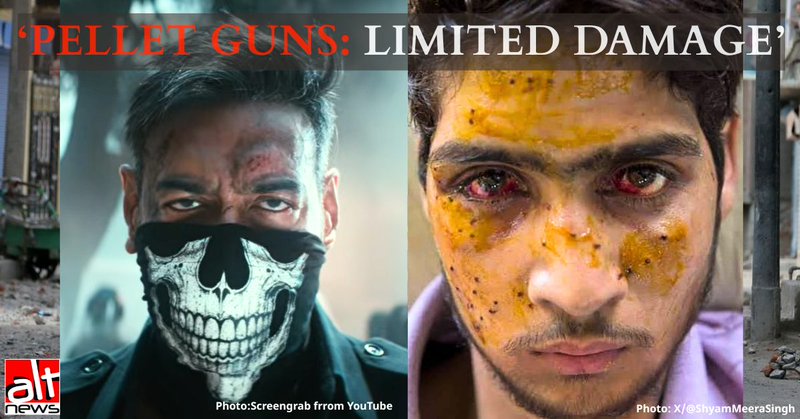

In a recent discussion surrounding the impact of pellet injuries in Kashmir, the dismissal of such injuries as “limited damage” by political commentator Chauhaan has provoked critical reactions. The stories of individuals like Farzan Sheikh, who lost his right eye after multiple surgeries, and Insha Mushtaq Lone, who despite total visual impairment managed to clear her Class 12 exams in 2023, highlight the severe ramifications of these injuries that go beyond mere physical consequence.
Understanding Pellet Injuries
Pellet injuries have become a grim hallmark of unrest in Kashmir, particularly following incidents of civil disturbances. These injuries, caused by lead pellets used in crowd control, are often life-altering. The story of 16-year-old Farzan Sheikh serves as a painful reminder of this reality. After undergoing seven surgeries, he is left with the devastating loss of his right eye, and his left eye’s future remains uncertain. This case exemplifies the direct and severe impact of pellet injuries on youth who are often caught in the crossfire of conflict.
Insha Mushtaq’s Journey
Insha Mushtaq Lone’s experience adds another layer to this narrative. After being subjected to a pellet injury at the young age of 14, she faced total visual impairment. Yet, against all odds, she cleared her Class 12 exams in 2023, showcasing her resilience and determination in a challenging environment. Insha’s academic achievement amidst her struggles not only highlights her personal strength but also sheds light on the broader educational and social challenges faced by those affected by violence in Kashmir.
Critique of the “Limited Damage” Perspective
The framing of pellet injuries as creating “limited damage” by figures like Chauhaan has been met with backlash. Critics argue that this viewpoint fails to capture the full scope of trauma experienced by victims and their families. By reducing the narrative to a mere statistic, it glosses over the real human suffering and loss associated with these injuries. The cases of individuals like Farzan and Insha serve to illustrate the grim truth behind this so-called limitation, reminding us that the consequences are not just physical but deeply psychological and social as well.
Why This Matters
The political discourse surrounding pellet injuries is crucial for several reasons. It not only reflects the ongoing conflict in Kashmir but also raises essential questions about human rights, governance, and accountability. The alarming trend of using pellet guns raises concerns regarding the proportionality of force used by security personnel in conflict situations. For Indian readers, understanding these dynamics is vital as they highlight the intersection of state violence and civilian lives, prompting a necessary dialogue about justice and policy reform in conflict-affected areas.
Frequently Asked Questions
What are pellet injuries and how do they occur?
Pellet injuries are caused by small metal pellets, typically used by law enforcement for crowd control. When fired, these pellets can cause severe injuries, particularly to the eyes and face.
What has been the impact of pellet injuries on youth in Kashmir?
The impact has been devastating, leading to permanent disabilities and profound psychological trauma. Many young individuals have lost their vision or suffered life-altering injuries, affecting their education and quality of life.
How has the international community responded to the use of pellet guns in India?
The international community, including human rights organizations, has condemned the use of pellet guns, calling for accountability and the need for non-lethal crowd control methods to prevent unnecessary harm to civilians.
What is the importance of the narratives of Farzan and Insha?
Their stories humanize the statistics and highlight the real consequences of violence in Kashmir. They serve as reminders of the resilience of those affected and the urgent need for reform in how conflicts are managed.