
Venezuelan Earthquakes Expose State Failures and Catalyst Community Response
Catia la Mar, Venezuela, has been devastated by twin earthquakes measuring 7.2 and 7.5 on June 24, leading to over 2,295 fatalities and 11,000 injuries. As the citizens suffer the aftermath, the absence of timely government intervention has prompted a wave of grassroots community support.
The Human Cost of the Quakes
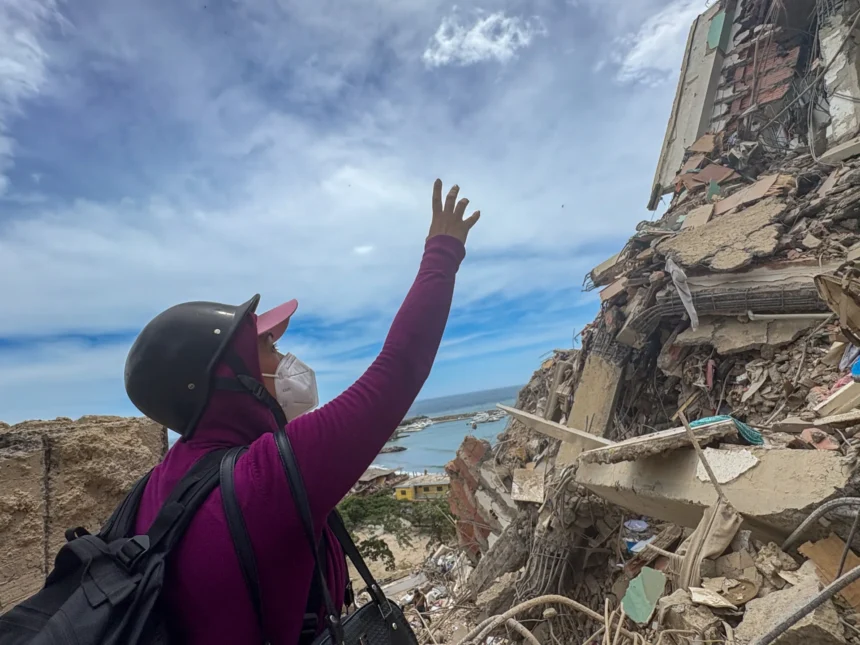
Andreina Velasquez, who narrowly escaped her sixth-floor apartment just hours before the quake struck, is one of many who now grapple with unimaginable loss. She recalls that her neighbours, including a gentle retired man and a woman with a young daughter, were also affected. “They fell like a pack of cards,” she noted, describing how her apartment building collapsed.
The earthquakes have had a profound impact on the region, particularly in La Guaira state, which has emerged as one of the hardest-hit areas. With hospitals overwhelmed and resources stretched thin, the local population is left to fend for itself. Velasquez has taken it upon herself to distribute face masks to those entering the disaster zone, recognizing the need for protection against dust and odors emanating from the rubble.
Community Resilience Amid State Absence
The aftermath of the earthquakes has highlighted a significant gap in governmental response. According to Carolina Jimenez, president of the Washington Office on Latin America, the Venezuelan government has failed to act swiftly. “In a government in any other country, the first responder should be the state,” she remarked. However, in this case, local citizens have stepped up where the state has faltered.
While many were left waiting for federal aid, reports indicate that the support reached some regions only three days post-disaster. In a country typically associated with economic struggle and political turmoil, this event has illuminated the extraordinary lengths to which individuals and community organizations will go to provide relief.
The Role of Volunteers and Civil Society
The impacted areas are witnessing a surge of volunteerism as citizens band together to assist. Velasquez has regularly returned to the ruins, helping those without proper safety equipment to avoid additional injuries. This community solidarity stands in stark contrast to criticism over the government’s slow reaction.
The United Nations has warned that the death toll could potentially climb to 10,000, stressing the dire need for coordinated emergency responses. Local organizations and informal networks have stepped in to fill the void left by governmental inaction, showcasing the resilience and resourcefulness of the Venezuelan people during crises.
What This Means
The situation in Venezuela serves as a crucial reminder for India, where natural disasters are not uncommon. It underlines the importance of prompt government intervention in times of crisis. The contrasting community-driven response to natural disasters raises questions about preparedness in both nations. As India continues to face its challenges with monsoons, floods, and earthquakes, the need for an efficient and reliable emergency response system is ever so pressing. Furthermore, the Venezuelan experience underscores the importance of fostering localized support networks to strengthen community resilience, which could be beneficial for Indian communities in disaster-prone areas.
Frequently Asked Questions
What caused the earthquakes in Venezuela?
The earthquakes were a result of seismic activities in the region, particularly near the Venezuelan coast. Factors such as tectonic plate movements often contribute to such occurrences.
How can communities prepare for natural disasters like earthquakes?
Communities can prepare by conducting drills, creating emergency response plans, investing in building infrastructure codes, and ensuring there are communication channels for disaster warnings.
What aid can be expected from the Venezuelan government after a disaster?
Aid response in Venezuela has been slow, typically involving federal government resources that arrive days after emergencies. Community-driven efforts have been more immediate but often lack formal organization.
What lessons can Indian authorities learn from the Venezuelan experience?
Indian authorities can learn the importance of swift government action, better coordination for disaster response, and the value of empowering community organizations to provide immediate relief and support during crises.