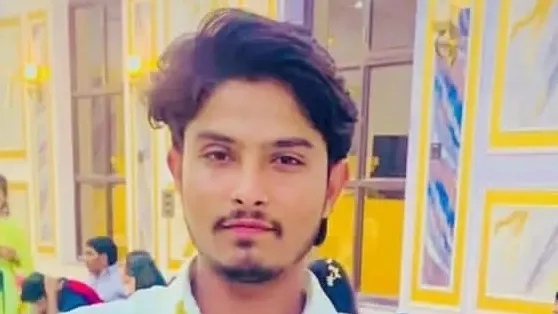

A tragic incident involving the brutal assault and subsequent death of a 19-year-old Muslim youth, Anas alias Ayan, has spotlighted issues of discrimination and violence against minorities in India under the BJP-led government. This case, emblematic of rising communal tensions, raises concerns about the safety of Muslims and the social dynamics in areas governed by the Hindutva ideology.
The Incident: A Grim Narrative
On June 18, 2023, Anas, a resident of Bhawanipur village in Sambhal district, was embroiled in a dispute involving children, which escalated rapidly. After securing bail from what his family termed a ‘false case,’ Anas was ambushed. According to his father, Azimuddin, a group of armed Hindu men intercepted their vehicle near a shrine as they were returning home.
The attackers not only vandalized the vehicle but also assaulted the occupants with sticks. During a violent struggle, Anas was forcibly abducted at gunpoint. His brother, Faizan, recounted that the assailants smashed the vehicle’s windows and dragged him out in an act of brazen violence. Even after Anas managed a brief escape and sought refuge at a nearby hotel, he was tracked down and assaulted again before being taken away by the mob.
Aftermath and Family’s Plea for Justice
The assault left Anas critically injured; he spent eight days in an intensive care unit before succumbing to his injuries. His father sought to highlight their desperation by stating, “Now, all we want is justice.” The family initially sought help from local law enforcement after finding Anas in serious condition, only to later transfer him to a hospital in Moradabad. Despite their efforts, Anas’s life could not be saved.
The emotional toll on the family is evident. His mother, Farida, has been vocal in her demands for justice, pressing for severe punishments for those responsible for her son’s death, asserting that no other mother should have to endure such pain. Her heartbreaking declaration underscores the fears and frustrations of many families in marginalized communities across India.
Broader Context of Minority Rights in India
This tragic event is not an isolated incident but part of a disturbing pattern where minorities, particularly Muslims, face increasing threats and challenges. Since the rise of the BJP and the associated Hindutva movement, incidents of communal violence and societal discrimination have surged. Reports indicate that Muslims in India often experience social exclusion, economic boycotts, and are sometimes targets of violence, leading to a heightened sense of vulnerability in their daily lives.
The ongoing marginalization affects not only safety but also access to resources and opportunities, creating an environment of fear and mistrust. The case of Anas draws attention to the wider implications of these trends for social cohesion and the rule of law in India, raising questions about the government’s role in protecting all its citizens equally.
Why It Matters
This incident is a significant marker of the rising communal tensions in India and highlights the critical need for dialogue around minority rights and safety. The trend of targeting marginalized communities raises questions about social integration, justice, and the role of governing bodies in preventing hate crimes. For a global audience, understanding these dynamics is essential for grasping the broader implications for democracy and human rights in India. Furthermore, the repercussions of communal violence could lead to destabilization and impact India’s international relationships, economic conditions, and social fabric.
Frequently Asked Questions
What happened to Anas and why is it significant?
Anas alias Ayan, a 19-year-old Muslim youth, was abducted and assaulted by a Hindu mob in Uttar Pradesh, later succumbing to his injuries. This incident exemplifies the rising violence against minorities in India and raises concerns about communal tensions in society.
What are the implications for minority rights in India?
The violent death of Anas highlights ongoing issues related to discrimination and marginalization of Muslims in India, exacerbated by the political climate under the BJP. Such incidents can foster a climate of fear and exclusion among minority communities.
How has the government responded to incidents of violence against minorities?
Government responses have often been criticized as inadequate, with claims of bias in favor of the perpetrators, inaction on the part of law enforcement, and insufficient legal protections for minority communities. This raises concerns about the effectiveness of the justice system.
What can be done to address these issues?
Addressing these systemic issues requires a multifaceted approach, including stronger legal protections for minorities, community engagement initiatives, and a commitment to ensure accountability for hate crimes. Moreover, fostering dialogue among different community groups can help rebuild trust and social cohesion.