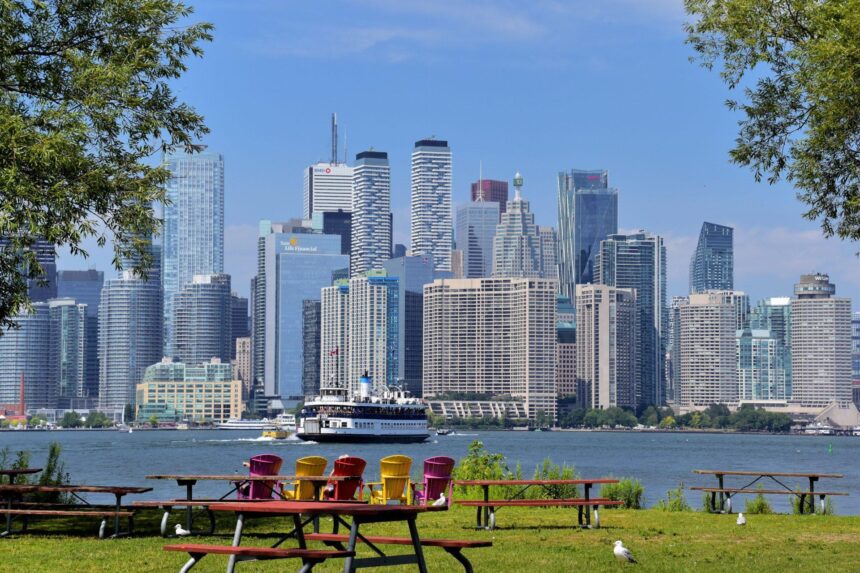

Unprecedented Heat Wave Hits Toronto Amid Canada Day Celebrations
A significant regional warming trend has begun in Toronto, coinciding with Canada Day festivities and the much-anticipated World Cup match at Toronto Stadium. This heat wave is expected to bring high temperatures reaching 35°C and lows in the mid-20s throughout the week, catching many residents off guard as it arrives earlier in the summer than usual.
Health Risks and Meteorological Concerns
Environment Canada meteorologist Simon Legault has projected that the peak of this heat wave will occur between Wednesday and Friday, with temperatures soaring around 35°C, excluding the humidity factor. According to Legault, while this heat won’t set new records, its intensity and premature arrival this summer could pose significant health risks. The continuous heat will lead to insufficient overnight cooling, which can exacerbate heat-related symptoms in vulnerable populations.
Dr. Samantha Green, president of the Canadian Association of Physicians for the Environment, emphasizes the dangers posed to at-risk groups such as young children and older adults. She warns that prolonged exposure to high temperatures could result in heat exhaustion and potentially life-threatening conditions like heat stroke, especially for individuals with chronic health issues like heart disease and lung conditions.
City Initiatives and Public Health Guidelines
In response to the extreme weather, the city of Toronto has implemented several initiatives, including the opening of over 500 cooling spaces and extending pool hours. Mobile water stations will also be set up in high-traffic areas to keep residents hydrated. New bylaws in Toronto and Hamilton aim to compel landlords to maintain indoor temperatures below 26°C, addressing systemic issues of heat exposure in underserved communities.
Measures outlined by Environment Canada urge residents to monitor vulnerable individuals, particularly those living alone, to ensure they have access to cool places. Maintaining hydration and limiting sun exposure are highlighted as critical strategies to mitigate heat-related health risks. Furthermore, the city has issued guidance on creating cross-breezes indoors and keeping curtains closed during the day to enhance indoor cooling.
Why It Matters
The ongoing heat wave and the city’s response signify a broader concern regarding public health in light of climate change, which is projected to increase the frequency and intensity of extreme weather events. Understanding the health risks associated with heat exposure is crucial for developing effective public policy and community outreach efforts. With the emphasis on accessibility and equity, particularly among marginalized groups, the measures taken can serve as a model for other urban areas facing similar climatic challenges.
Frequently Asked Questions
What health risks are associated with extreme heat waves?
Health risks include heat exhaustion, heat stroke, and exacerbation of chronic health conditions such as heart and lung disease, particularly in vulnerable populations like the elderly and those living alone.
What measures is the city taking to combat the heat wave?
The city is opening 500 cooling spaces, extending pool hours, and providing mobile water stations. New bylaws aim to ensure landlords maintain apartment temperatures below 26°C.
How can residents protect themselves from heat-related illnesses?
Residents are advised to stay hydrated, wear lightweight clothing, avoid direct sunlight during peak hours, and utilize air conditioning or fans to stay cool. Regular check-ins with at-risk family and friends are encouraged.
What is the expected duration of the heat wave in Toronto?
The heat wave is expected to last several days, peaking between Wednesday and Friday, with temperatures remaining high throughout the rest of the week. However, relief is anticipated on Sunday when daytime highs are forecasted to drop to 28°C.