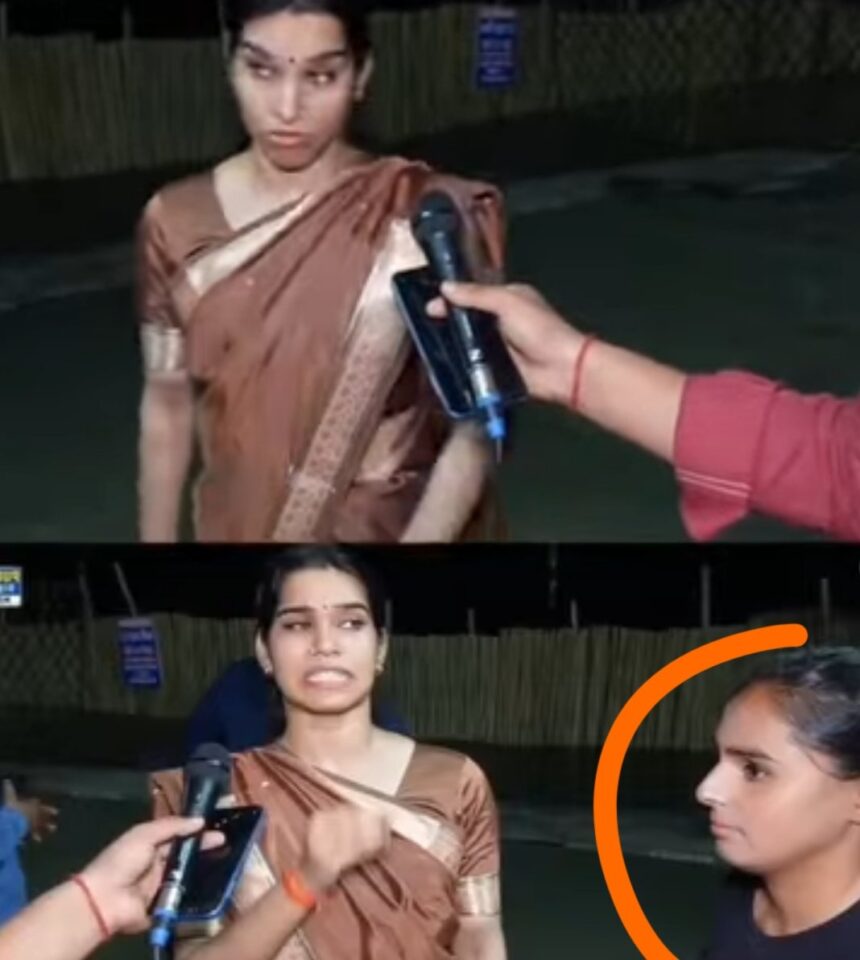

The Indian political landscape has recently been stirred by Mohammed Zubair’s tweet, which raises concerns about the authenticity of certain influencers who engage with political figures. Zubair specifically highlights the connections between influencers and scripted interviews, suggesting a calculated approach to shaping narratives around Muslims and Dalits in India.
Influencer Landscape in Indian Politics
In his tweet, Zubair mentions a gathering featuring Raghav Chadha, a prominent political figure, and a variety of YouTubers and Instagram influencers. These influencers are criticized for their association with paid content and videos that appear to target specific communities, particularly Muslims and Dalits. The online presence of these individuals, characterized by incendiary content, raises questions about their motivations and the potential impact on societal divisions.
This trend, which appears to blend content creation with political maneuvering, could be seen as an attempt to manipulate public opinion. By aligning with influencers who have a sizeable following, political actors like Chadha can leverage the emotional resonance of their content. Such tactics are not unprecedented in global politics, but their prevalence in India highlights a concerning shift in how politics is being conducted.
Scripting Narratives: The Role of Social Media
Social media has become a powerful platform for political discourse, enabling direct communication between politicians and the public. The influencers mentioned by Zubair are part of a growing ecosystem where scripted narratives can be disseminated quickly and effectively. Their social media accounts reflect a trend toward sensationalism, often targeting marginalized groups to fabricate consent or dissent among the populace.
Zubair’s assertion that these influencers partake in scripted interviews poses significant questions about transparency and authenticity in political discussions. By presenting themselves as organic representatives of the public, they risk misleading their audience. The interaction between social media influencers and political entities not only complicates public perception but also blurs the lines between genuine engagement and orchestrated propaganda.
The Broader Implications for Society
Zubair’s tweet is not merely an observation but a stark warning about the potential ramifications of these trends. When influencers manipulate narratives, they can contribute to the polarization of society. Their capacity to shape perceptions about communities—especially vulnerable ones—highlights the ethical responsibilities that come with their platforms.
If political figures continue to exploit influencers for their messaging, there could be heightened social tensions and an ongoing cycle of mistrust among communities. It becomes crucial for audiences to remain discerning about the content they consume and to question the authenticity behind messages being conveyed. As social media continues to rise as a facilitator of political communication, discerning facts from influence-driven narratives will become increasingly important.
Why This Matters
The implications of Zubair’s analysis on Indian politics are profound. With the potential to reshape public discourse, the union of political figures and influencers not only influences voting behaviors but also affects social cohesion. As communities become increasingly divided along socioeconomic and religious lines, understanding the dynamics of this relationship is vital for fostering a more inclusive political environment. This trend has the potential to affect policy decisions, community relations, and the overall political climate in India, making it a matter of urgency for all citizens to engage critically with the content they encounter.
Frequently Asked Questions
What was the main claim made by Mohammed Zubair?
Zubair claims that certain influencers, identified as frequent participants in scripted interviews, are influencing political narratives targeting specific communities in India, notably Muslims and Dalits.
Who is Raghav Chadha?
Raghav Chadha is a prominent political figure associated with the Aam Aadmi Party (AAP) in India. He is known for his engagements in various political discussions and interviews.
What is the significance of influencers in politics?
Influencers can significantly shape public opinion through their platforms, making their alignment with political figures crucial for the dissemination of specific narratives and messages to wider audiences.
How can the public discern between genuine and manipulated content?
Individuals are encouraged to critically evaluate the sources of information, consider the context in which it is presented, and be aware of the motivations behind the content shared by influencers and political figures.