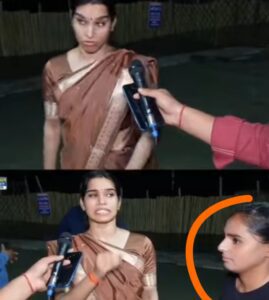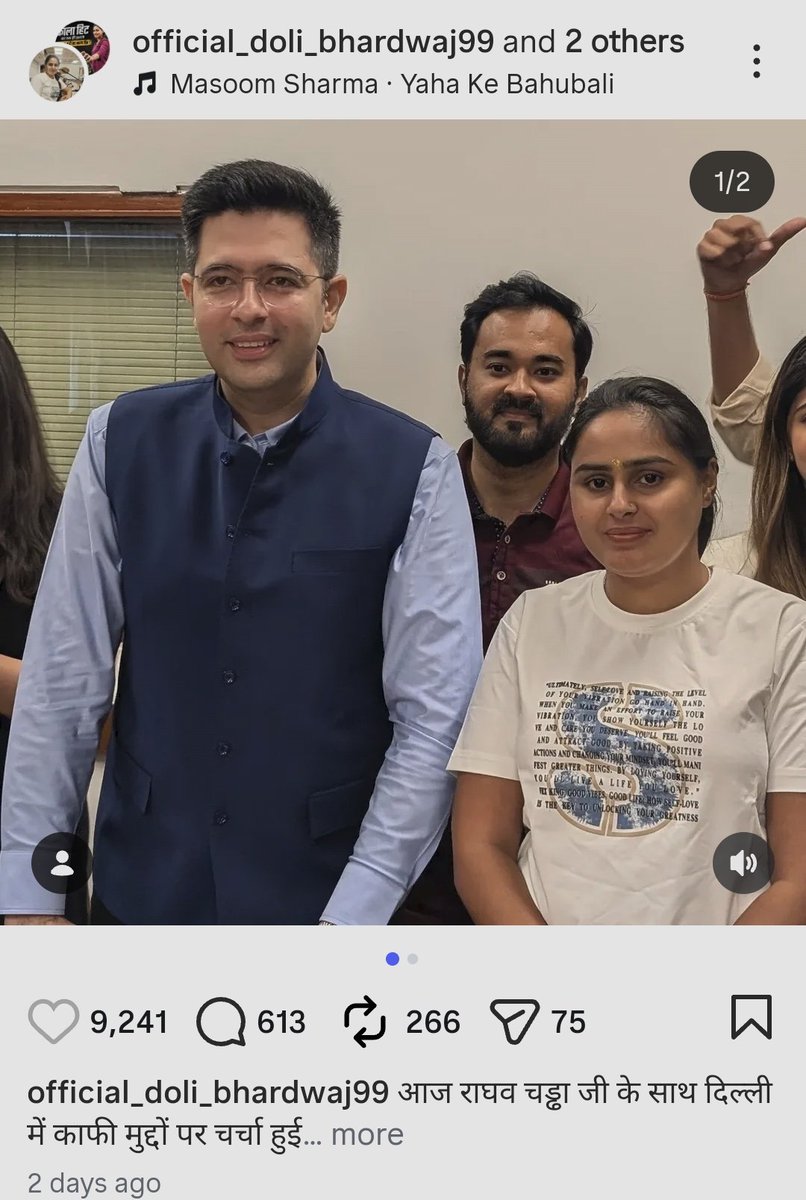

The recent remarks by Mohammed Zubair, a noted political commentator, highlight the strategic collaborations of Raghav Chadha, a prominent Aam Aadmi Party (AAP) leader, as he prepares for the upcoming Punjab elections. Zubair points to Chadha’s meetings with various influencers and content creators who are known for engaging target demographics such as women and Muslims, sparking discussions about the authenticity and motivations behind such alliances.
Collaborations with Influencers
Raghav Chadha’s approach to the upcoming elections includes leveraging social media by collaborating with YouTube vox pop channels and Instagram influencers. This technique is aimed at creating relatable content that resonates with the youth, particularly among demographic groups like women and Muslims. The choice of influencers is significant as many of them have a history of producing content that can sway public opinion.
Zubair’s observations suggest that this collaboration strategy may be calculated, given that some influencers have been accused of running paid content that may not reflect genuine grassroots sentiments. In recognizing these influencers, Chadha seems to be attempting to craft a more inclusive narrative focused on social issues, although the authenticity of such narratives is brought into question due to their commercial nature.
Questionable Content and Authenticity
The authenticity of the content generated by these influencers is crucial. Zubair raises concerns about how many of these individuals are recognized by the public and if their motives align with the genuine interests of the demographics they target. He implies that many of these influencers often operate in scripted setups that may misrepresent the voices of actual people in the community.
The focus on targeting Muslims and Dalits through these platforms could be viewed as an attempt to solidify electoral support within these communities, but it invites scrutiny. Critics argue that as these influencers are perceived as manipulating public sentiment, it could backfire, leading to accusations of performative activism rather than meaningful engagement.
Political Ramifications
The implications of these alliances are far-reaching. As the Punjab elections approach, Chadha’s ability to connect with the youth and marginalized groups could shape the electoral landscape. If successful, this strategy would not only reflect positively on Chadha but could also influence AAP’s positioning across India, where youth engagement and community representation are becoming increasingly crucial in elections.
However, the mixed reactions to this strategy raise questions about whether such approaches can build real loyalty among voters. The subtle interplay of influence, authenticity, and community representation could become critical talking points in the run-up to the elections.
Why This Matters
Understanding the motivations behind political strategies like those employed by Chadha is essential for evaluating the health of Indian democracy. The ability of political figures to manipulate social media narratives can significantly influence not just election outcomes but also public discourse surrounding social issues. The focus on marginalized communities reveals the ongoing challenges of representation and authenticity in political campaigns, making this an important moment for analysis.
Frequently Asked Questions
What is Raghav Chadha’s role in the Punjab elections?
Raghav Chadha is a prominent leader of the Aam Aadmi Party (AAP) and is actively preparing for the upcoming Punjab elections by collaborating with social media influencers.
Who is Mohammed Zubair?
Mohammed Zubair is a well-known political commentator in India, recognized for his critical analysis of political strategies and public claims surrounding elections.
What concerns did Zubair raise about Chadha’s strategies?
Zubair raised concerns regarding the authenticity of the influencers collaborating with Chadha, suggesting that many of them run paid content that might manipulate public sentiment rather than reflect true community voices.
Why is the focus on women and Muslims important in this context?
The focus on targeting women and Muslims is significant as it aims to strengthen electoral support from these demographics, which are crucial in shaping the political landscape in Punjab and beyond. However, it also raises issues regarding genuine representation and engagement with these communities.