
Summary
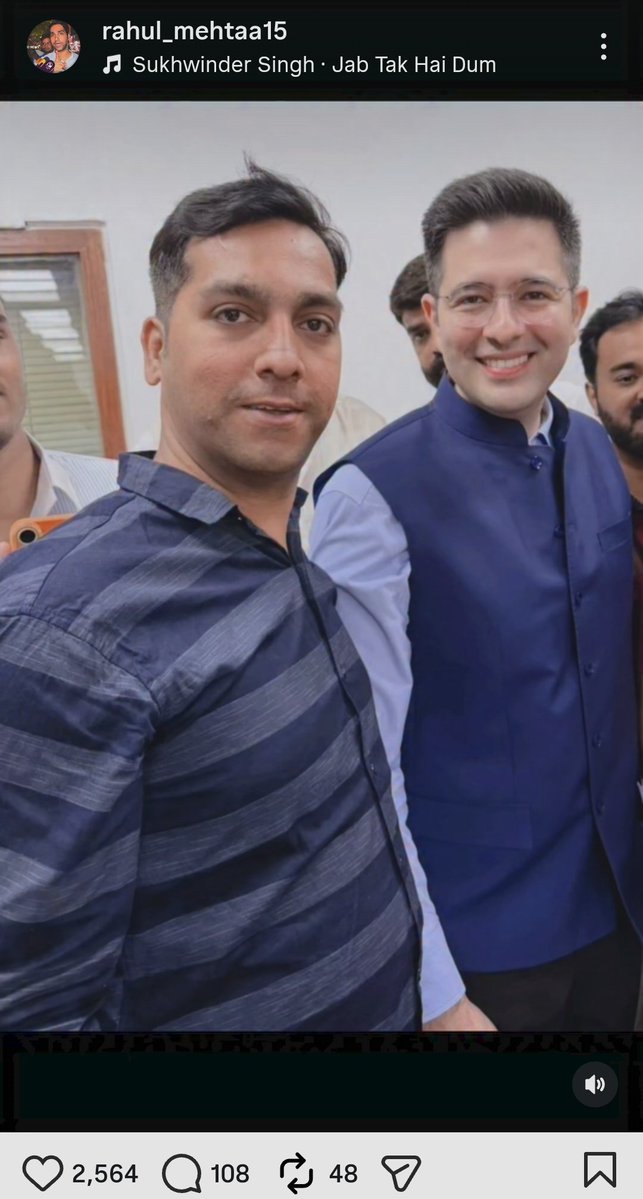
The recent engagement of Raghav Chadha, a prominent politician, with various social media influencers has raised eyebrows. Mohammed Zubair, a well-known political commentator, pointed out that many attendees included individuals known for producing polarizing content that targets specific communities, primarily Muslims and Dalits.
Influencer Culture in Indian Politics
Social media has transformed political engagement in India, enabling politicians to connect directly with constituents through platforms like Twitter, Instagram, and YouTube. Raghav Chadha’s interactions with influencers highlight a growing trend where politicians seek to leverage the reach and impact of online personalities. By aligning with YouTubers and Instagram influencers, Chadha aims to harness their follower base to amplify his message and potentially gain favor among younger voters.
However, this practice is not without controversy. Critics argue that these influencers often indulge in creating content that may promote divisive narratives. Zubair’s comments underline the potential risks of engaging with individuals whose content can be seen as polarizing. It raises questions about the ethical responsibilities of politicians in selecting their associations.
Content and Community Targeting
In the realm of political strategy, targeting specific communities through tailored messaging is a common practice. Zubair’s observations regarding the influencers at Chadha’s meeting suggest that many of them have a track record of producing content aimed at Muslims and Dalits. This could signal a calculated attempt to engage with these communities strategically, especially in the run-up to elections.
However, the choice of influencers also poses risks. Influencers who are known for running paid promotional content may not always reflect genuine grassroots engagement. Furthermore, the polarized nature of their content might alienate many who fall outside the targeted demographic, suggesting that this strategy could potentially backfire if not managed carefully.
Public Perception and Backlash
The public reaction to Chadha’s selection of influencers is a vital aspect of this unfolding narrative. Social media has become a space for discourse, where users can quickly voice their opinions, both for and against a politician’s choices. Zubair’s tweets serve as a catalyzing force for debate, inviting followers to scrutinize who is representing their interests in political discussions.
Given the sensitivity surrounding the communities mentioned, any misstep can lead to significant backlash. If voters feel that they are being targeted for political gain without genuine concern for their issues, it could lead to disillusionment and decreased electoral support. Thus, it becomes crucial for politicians like Chadha to balance their social media strategies with genuine engagement that respects the complexities of the communities involved.
Why This Matters
Chadha’s endeavor to engage influencers could reflect broader strategies employed by political parties as they approach elections. Understanding the implications of these associations is essential for voters to critically evaluate the motives behind such alliances. It underscores the intersection of social media, influencer culture, and modern political campaigning in India.
In a nation where demographics significantly influence political outcomes, how politicians choose to engage with specific communities can reshape alliances and voter behaviors. Each influencer’s content and their established credibility play a crucial role in shaping the perceptions of their followers, making it imperative for political figures to consider the potential consequences of their associations.
Frequently Asked Questions
What does Raghav Chadha’s engagement with influencers signify?
Chadha’s interactions can be seen as an effort to connect with younger voters by utilizing social media channels. It highlights the evolving nature of political campaigning in India.
Who are some of the influencers mentioned?
While specific names were not cited, the influencers discussed have been noted for creating content targeted at communities like Muslims and Dalits and often engage in paid promotional content.
What are the potential risks of engaging with such influencers?
There is a risk of alienating broader voter bases, particularly if these influencers run divisive or polarizing content. This approach may cause distrust among constituents who may feel used for political gain.
How can voters interpret these influencer engagements?
Voters should critically assess the motives behind these interactions and consider whether politicians are genuinely addressing community issues or simply leveraging influencers for electoral advantage.