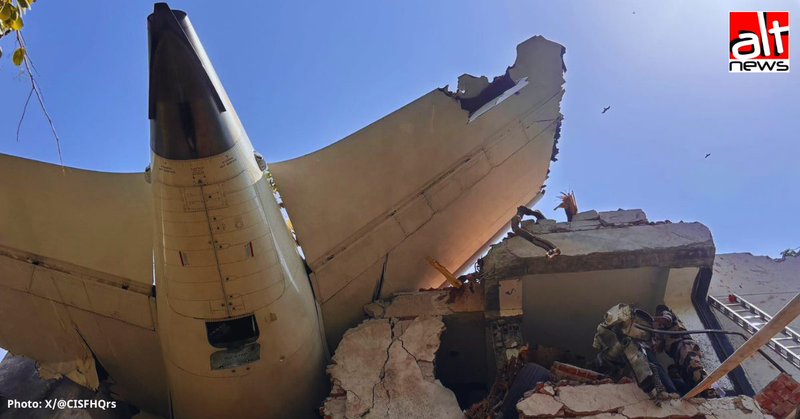

The Air India AI171 crash on June 12, 2025, resulted in a devastating loss of 260 lives, becoming one of India’s most tragic aviation disasters. A crucial aspect of the investigation has been the cockpit conversation that is believed to imply pilot negligence related to fuel-switch cutoff, despite the absence of concrete evidence. Rachel Chitra’s investigative work highlights the implications of this narrative on perceptions of accountability in aviation safety.
Understanding the AI171 Crash
The AI171 flight was en route to Ahmedabad when it tragically crashed, marking a grim chapter in Indian aviation history. Within a short time frame after the incident, reports began focusing on the possibility of pilot error, particularly surrounding fuel management. The cockpit conversation that was referenced became a focal point, driving the narrative that pilot inaction caused the crash. However, many details remain unverified, raising questions about the reliability of such interpretations.
The Role of Cockpit Communication in Aviation Safety
Cockpit communication is crucial in ensuring the safety of flight operations. It offers insights into decision-making processes in critical situations. The conversation attributed to the pilots of AI171, which allegedly did not mention fuel issues, has sparked significant debate. Critics argue that attributing blame to the pilots based on unconfirmed conversations can undermine thorough investigations, which should focus on factual evidence rather than hearsay.
Investigative Outcomes and Accountability
The aftermath of the crash has seen various stakeholders, including aviation authorities and airlines, reassess their approach to pilot trainings and emergency procedures. While the narrative of pilot error persists, calls for a more nuanced understanding of systemic issues in aviation safety have gained traction. Many experts advocate for a complete analysis that includes mechanical failures and procedural lapses, emphasizing that accountability should not rest solely on individual pilots.
Why This Matters
The AI171 crash represents more than just a tragic event; it highlights significant issues within the broader context of aviation safety and accountability in India. As aviation incidents can impact public trust and regulatory frameworks, understanding the nuances of investigative narratives is crucial. The potential mischaracterization of events surrounding the AI171 crash carries implications for future regulatory reforms and operational standards in Indian aviation, underscoring the need for careful, evidence-based approaches to investigations.
Frequently Asked Questions
What were the main factors contributing to the AI171 crash?
The crash was attributed primarily to possible pilot negligence related to fuel-switch operations. However, many still call for a comprehensive investigation that examines all operational aspects, including equipment and procedural failures.
How has the narrative around pilot error influenced public perception?
The narrative suggesting that pilot error caused the crash has significantly influenced public perception, often overshadowing other critical factors. This can lead to a loss of trust in pilots and the aviation system without addressing underlying issues.
What reforms are being discussed in response to the AI171 crash?
Discussions around reforms involve enhancing pilot training, revising safety protocols, and improving communication systems in the cockpit. Stakeholders emphasize the importance of a holistic review of aviation safety regulations.
Why is it essential to rely on verified information in investigations?
Relying on verified information is vital to ensure justice and accountability. Misinformation or speculative narratives can hinder effective safety reforms and potentially mislead public opinion regarding aviation safety standards.