
Concerns Over Muslim Marginalization in India
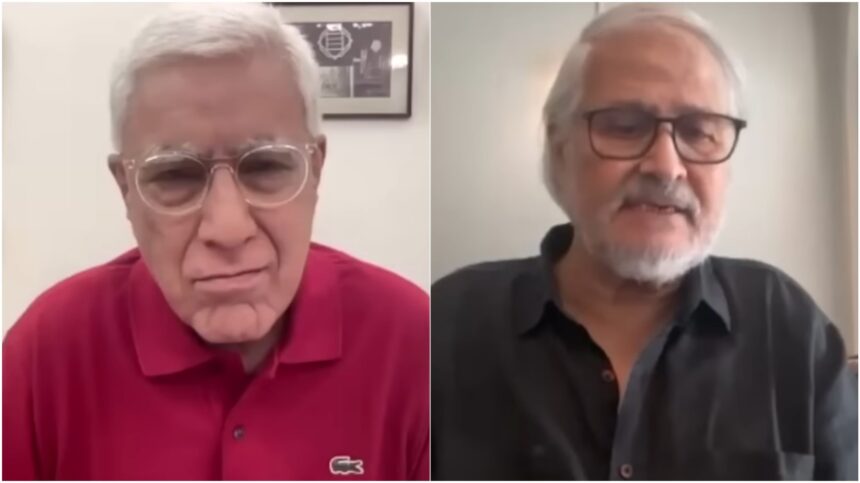
In a recent interview with journalist Karan Thapar for The Wire, Dr. Najeeb Jung, a former Lieutenant Governor of Delhi and Vice-Chancellor of Jamia Millia Islamia, articulated grave concerns regarding the status of India’s Muslim community. Jung asserts that the community is nearing a state of being treated as second-class citizens, emphasizing the urgency of addressing the growing discrimination and exclusion they face.
The State of Muslim Representation
Dr. Jung highlighted a concerning trend in political representation for Muslims, who make up nearly 15% of India’s population, accounting for about 200 million individuals. In his observations, he noted a stark absence of Muslim candidates from the Bharatiya Janata Party (BJP) in recent elections, particularly emphasizing electoral dynamics in regions with significant Muslim populations, such as West Bengal and Assam, where Muslims constitute approximately 27% and 34% of the populations, respectively.
Jung’s commentary points out that for the first time since India’s Independence, the Union government lacks a Muslim minister, and the BJP holds no Muslim Members of Parliament (MPs). This decline in representation extends beyond electoral politics; there are no Muslim Chief Ministers in office and minimal representation within senior bureaucratic, judicial, and key institutional roles compared to past decades.
Discrimination and Social Exclusion
Dr. Jung expressed that the Muslim community feels increasingly sidelined, alleging systematic ill-treatment by state mechanisms and exclusion from India’s broader socio-economic progress. He stressed: “It’s hurting,” underscoring that this persistent marginalization has led not only to disenfranchisement but also a surge in feelings of social alienation and grievance among Muslims.
Furthermore, Jung raised alarms on the singular focus of liberal sections of society regarding these issues, which he described as perilous for the nation at large. He emphasized the need for introspection across the societal fabric to bridge these divides and work towards an inclusive future.
Historical Context and Current Climate
This recent commentary comes amidst a heightened perception of discrimination against Muslims in India, exacerbated by the rising influence of Hindutva ideology championed by the ruling BJP and its affiliates. Historical trends indicating societal disparities have manifested in various forms, including social exclusion, economic boycotts, and polarizing narratives that have marginalized Muslim voices.
The last few years have seen a significant uptick in incidents and policies perceived as discriminatory against Muslims, including localized bans on religious practices, as well as controversial citizenship laws. These developments raise questions about social cohesion and the spirit of inclusiveness that India has long espoused.
Why It Matters
The implications of this situation not only resonate within India but also have a wider impact on global perceptions of human rights and religious freedoms. For international observers, the marginalization of a significant demographic can shed light on broader issues of social justice and equality. In turn, these factors may influence foreign policy and aid considerations by multiple nations when engaging with India. Monitoring the state of Muslim communities in India is essential for understanding the socio-political landscape and maintaining a commitment to universal values of inclusivity and representation.
Frequently Asked Questions
What is the current political representation of Muslims in India?
As of recent elections, there are no Muslim members in the Union government, and the BJP has not fielded any Muslim candidates in key regions, signifying a historic decline in political representation.
What are the social and economic challenges faced by Muslims in India?
Many Muslims report feeling socially excluded and face systemic discrimination in various sectors including employment, education, and political representation, impacting their overall socio-economic progress.
How has the perception of Muslims changed in India over recent years?
In recent years, there has been a notable shift towards marginalization driven by a rising Hindutva ideology, resulting in increasing perceptions of discrimination and social alienation among the Muslim community.
What is the significance of Dr. Najeeb Jung’s statements?
Dr. Jung’s observations serve to highlight the urgent need for introspection and action within Indian society regarding the treatment and inclusion of Muslims, advocating for a more balanced and equitable approach amidst increasing polarization.