
The recent targeting of Judge Tabassum Khan by Hindu extremists highlights the growing climate of fear and discrimination against Muslims in India. Following her pivotal ruling in a mob lynching case, the campaign against her underscores a troubling trend where judicial actions are colored by religious identity, fueling communal tensions.
Context of the Lynching Case
The case at the heart of this controversy is the lynching of Nazir Ahmed, a Muslim man legally transporting cattle in Madhya Pradesh in 2022. His brutal murder at the hands of a mob of so-called cow vigilantes raised significant concerns about mob violence fueled by religious fanaticism. In a landmark ruling, a Madhya Pradesh court sentenced fourteen individuals to life imprisonment, marking a critical test of law and order in a country where justice often becomes secondary to religious affiliations.
The verdict was not only a reflection of judicial independence but also highlighted the delicate balance of politics and law in contemporary India, particularly under the leadership of the BJP. However, the aftermath of the ruling opened the floodgates for a coordinated online hate campaign that exploited Judge Khan’s Muslim identity.
Online Hate Campaigns Against the Judiciary
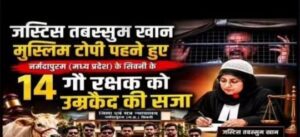
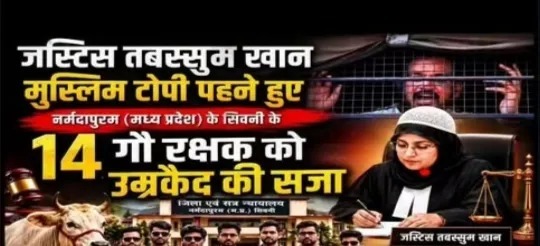
The targeting of Judge Tabassum Khan illustrates a systemic pattern of using digital platforms to propagate hate against specific individuals based on their religious identity. Reports indicate that AI-generated graphics and social media campaigns systematically sought to undermine her credibility and vilify her, framing the murder case within a communal narrative.
Experts have pointed out the dangers of employing technology as a tool for anti-Muslim propaganda, asserting that it poses significant risks to judicial autonomy. The campaign escalated to alarming levels, including the public burning of the judge’s effigy, signaling a descent into violent expressions of discontent against judicial decisions that challenge the status quo.
Wider Implications for Minority Rights in India
This incident is symptomatic of a broader trend where minorities, particularly Muslims, are increasingly subjected to violence and exclusion. The systematic targeting of judicial authorities based on religious identity raises urgent questions regarding the independence of the judiciary. Such actions not only jeopardize individual rights but also undermine public trust in the legal system as a whole.
Independent organizations have sounded the alarm on these growing tensions. Genocide Watch has warned about escalating risks of hate crimes and potential genocide against Muslims in India, criticizing anti-Muslim rhetoric and incitements to violence as crucial elements in this precarious scenario. This alarm resonates with observers who note that these trends can have far-reaching effects on societal cohesion and stability.
Why It Matters
The increasing use of AI and digital platforms to fuel hate campaigns has significant implications for the tech industry, developers, and users. The intersection of technology and social dynamics necessitates a careful reevaluation of how digital tools can be misused to incite violence or spread disinformation. Developers must consider ethical implications while creating algorithms and designing platforms, ensuring they do not facilitate hate speech or discrimination. Users must remain vigilant about the content they consume and share, especially in politically charged environments.
Frequently Asked Questions
What prompted the hate campaign against Judge Tabassum Khan?
The campaign was initiated in response to her ruling that sentenced fourteen cow vigilantes to life imprisonment for the lynching of Nazir Ahmed, a legal action perceived by some as favorable to Muslims, leading to religiously motivated backlash.
How did the online hate campaign manifest?
The campaign involved the use of AI-generated graphics and social media messages that targeted the judge’s Muslim identity, seeking to delegitimize her judicial authority and incite public outrage.
What are the broader implications of this incident for minorities in India?
The incident underscores a worrying trend of religious discrimination and violence against minorities, threatening judicial independence and the overall rule of law in India.
What is being done to address this issue?
Various organizations are raising awareness about the risks facing Muslims in India and urging for accountability and protection against hate speech and violence, while experts continue to call for the protection of judicial authority from communal pressures.