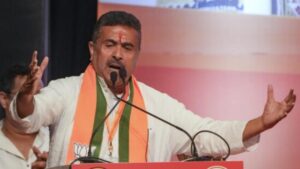

The rise of the Sangh Parivar and the Bharatiya Janata Party (BJP) in India has been accompanied by growing instances of discrimination, social exclusion, and economic marginalization of Muslim communities. These developments echo historical patterns of political mobilization among Indian Muslims, reflecting a deep legacy of both religious consciousness and political activism that continues to influence contemporary socio-political landscapes.
Historical Context of Muslim Political Mobilization
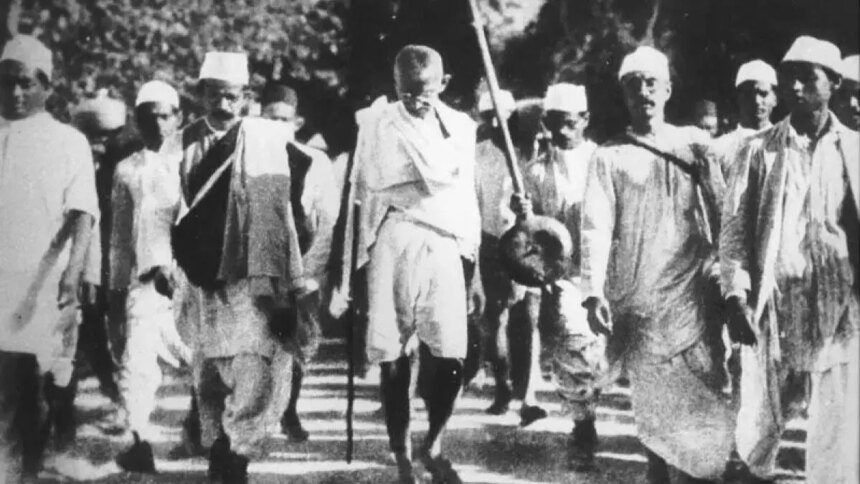
Throughout history, significant events have prompted Indian Muslims to mobilize politically. Notable among them was the Khilafat movement of the early 20th century, which sought to unite Indian Muslims against British colonial aggression, framed through a perceived attack on Islam’s holy sites. This initiative illustrated the capacity for religious identity to serve as a rallying point in anti-colonial sentiment. The movement gained traction through the support of figures like Mahatma Gandhi, who recognized the intertwined nature of Muslim dignity and the struggle for freedom from colonial rule.
However, the Khilafat movement was not without its challenges. Despite its initial success, it ended in disillusionment as internal fractures emerged, exacerbated by the British government’s oppressive measures. The movement ultimately lost momentum after the Chauri Chaura incident in 1922. The lessons from this historical experience resonate today, highlighting the risk of misdirecting energies into religious identity politics at the expense of broader socio-economic liberation.
Contemporary Discrimination and Social Exclusion
In recent years, the BJP-led government has been accused of perpetuating an environment of discrimination against Muslims in India. Economic boycotts are among the most visceral manifestations of this systemic marginalization. Reports indicate that Muslim businesses face significant backlash, often leading to calls for boycotts against their products and services. This economic exclusion reflects a broader ideological stance that delegitimizes Muslim identities within the national narrative.
Moreover, social exclusion is evident in a variety of forms, from hate crimes targeting Muslim individuals to the veneration of symbols deeply rooted in Hindu nationalism. This political climate breeds fear and resentment among Muslim communities, leading to a feeling of vulnerability and, at times, a retreat from active political participation. Cultural representations in media often demonize or caricature Muslims, further entrenching stereotypes and societal divides.
The Role of Political Identity in Mobilization
The historical narrative of Muslim political identity continues to shape contemporary mobilization. Political figures and organizations leverage religious symbols to evoke a sense of community and collective action. However, a crucial dilemma arises when religious identity becomes insular, constraining the potential for inclusive coalition-building. Recent attempts by some Muslim leaders to forge alliances with secular movements face both opportunity and adversity in a polarized landscape, often leading to ambiguity regarding the political future of Indian Muslims.
While the Khilafat movement represented a unifying cause, its failure serves as a cautionary tale. The question arises: can modern political narratives capture the same intensity of communal feeling while promoting a vision transcending religious divides? It is imperative to examine how contemporary movements can better channel collective grievances into constructive political action, fostering inclusivity and resilience against discrimination.
Why It Matters
The significance of these developments extends beyond India; they resonate globally in various contexts where religious identity intersects with political power dynamics. Understanding the implications of religious nationalism, particularly as witnessed through the actions and policies of the BJP and Sangh Parivar, offers important insights into the fragility of social cohesion. It highlights the need for societies to grapple with issues of religious and ethnic identity, as these factors heavily influence democratic processes and the quest for justice and equality.
Frequently Asked Questions
What is the Khilafat movement?
The Khilafat movement was a political campaign launched by Indian Muslims in the early 20th century to protest against the dismantling of the Ottoman Caliphate by European powers after World War I. It aimed to rally support around the collective grievances of Muslims in India against British colonial rule.
How has the BJP government affected the socio-economic status of Indian Muslims?
Under the BJP government, Indian Muslims have reportedly faced increased instances of discrimination, including economic boycotts and social exclusion, contributing to a sense of marginalization within Indian society.
What lessons can be drawn from historical Muslim political mobilization?
Historical movements like the Khilafat emphasize the potential of religious identity to unite communities in political action but also caution against the risks of sectarianism and the need for broader coalitions that prioritize inclusive socio-economic goals.
How can Muslim communities resist marginalization today?
Muslim communities can resist marginalization through cohesive political mobilization, forming alliances with secular partners to advocate for civil rights and social justice, and fostering dialogue that transcends religious boundaries to emphasize shared socio-economic concerns.