
Unraveling the Sociopolitical Climate for Indian Muslims under Sangh and BJP Governance
The socio-political landscape in India has witnessed significant transformation since the Bharatiya Janata Party (BJP) took power, characterized by increased instances of discrimination, social exclusion, and economic marginalization of Indian Muslims. This article seeks to analyze the implications of Sangh Parivar and BJP governance on the rights and status of Muslim communities, utilizing historical contexts and contemporary policies to illustrate the expanding divide.
Historical Context: A Precarious Foundation
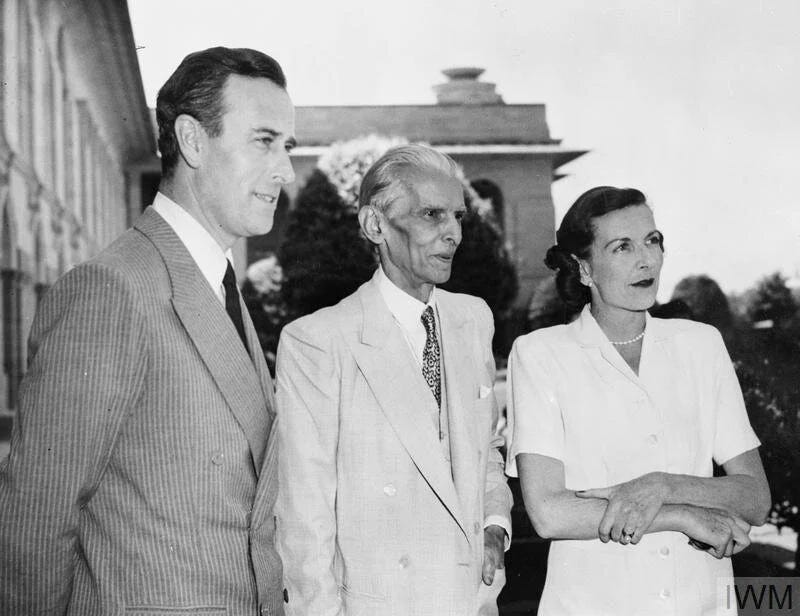
The story of Indian Muslims under the British Raj offers a poignant lens to understand their contemporary plight. The pre-independence era saw the British employing a “divide and rule” policy that exploited religious differences to further their colonial interests. Notably, leaders like Muhammad Ali Jinnah began advocating for a separate Muslim nation starting in the 1930s, driven by fears of Hindu dominance. This division solidified with the creation of Pakistan, which left a lingering sense of marginalization among Indian Muslims.
More recently, the BJP’s rise has rekindled fears reminiscent of pre-independence sentiments. The 1947 Partition remains a haunting memory, and the communal riots that marked this period have paved the way for current political narratives that marginalize Muslims. The BJP’s political maneuvering often invokes nationalistic sentiments that tend to reinforce a Hindu-centric state identity, leaving Muslims feeling excluded and vulnerable.
The Sociopolitical Landscape Today
Under the current BJP-led government, there is a growing perception among Indian Muslims that their citizenship and rights are under threat. Policies such as the Citizenship Amendment Act (CAA) have sparked widespread protests and debates, with many viewing the law as discriminatory since it offers a pathway to citizenship for non-Muslim refugees from neighboring countries. Activists argue this creates a religious test for citizenship, undermining the secular fabric of the Indian constitution.
Furthermore, the political rhetoric surrounding national security often casts Muslims as potential adversaries, resulting in a culture of suspicion and hostility. Reports of lynchings, often related to cow protection, highlight a climate of fear, where Muslims face brutal repercussions for perceived transgressions. Data on communal riots and instances of mob violence against Muslims further paint a troubled picture. For instance, the communal riots following the abrogation of Article 370 in Jammu and Kashmir led to numerous casualties and a deepening mistrust among communities.
Economic Exclusion and Boycotts
Economic marginalization has become another pivotal issue for Indian Muslims. Reports indicate rising boycotts against Muslim-owned businesses, particularly in regions with substantial Hindu populations. Campaigns to boycott these businesses utilize social media platforms and have gained traction, leading to economic hardships for many families reliant on small enterprises. The BJP also promotes initiatives like “vocal for local,” which tend to favor Hindu enterprises and contribute to economic disparities.
Additionally, the government’s policies have failed to address systemic inequities faced by Muslims in education and employment. Data from the Sachar Committee Report, which analyzed the socio-economic conditions of Indian Muslims, reveals stark disparities in educational attainment and employment rates compared to their Hindu counterparts. This economic divide is further exacerbated by social stigmas, prejudices, and legal hurdles that Muslims encounter when seeking jobs or educational opportunities.
Why It Matters
The ramifications of the socio-political and economic dynamics affecting Indian Muslims extend beyond national borders, influencing India’s global standing and internal stability. The rise in discriminatory practices may breed discontent and unrest, destabilizing the region and impacting neighboring countries. Additionally, the marginalization of Muslims affects India’s identity as a secular and pluralistic democracy, challenging foundational principles that promote equality and justice. For developers and users in AI and technology, a society divided along religious lines raises ethical questions concerning the use of AI in governance and policing, emphasizing the need for inclusive technologies that promote unity rather than division.
Frequently Asked Questions
What is the current status of Indian Muslims under BJP governance?
Indian Muslims face heightened discrimination, social exclusion, and economic disparity under the current BJP government, with policies and political rhetoric increasingly marginalizing their communities.
How has the Citizenship Amendment Act impacted Muslims?
The Citizenship Amendment Act (CAA) has been widely criticized for offering a pathway to citizenship only to non-Muslim refugees, raising concerns about its discriminatory nature and implications for secularism in India.
Are there other signs of economic marginalization for Muslims?
Yes, there are prevalent economic boycotts against Muslim-owned businesses, resulting in considerable financial strain. Reports indicate broader issues regarding employment discrimination and lack of access to education.
What can be done to address these issues?
Addressing these challenges requires comprehensive policy reforms that foster inclusion, protect minority rights, and promote socio-economic development tailored to marginalized communities, alongside strengthened legal frameworks against discrimination.