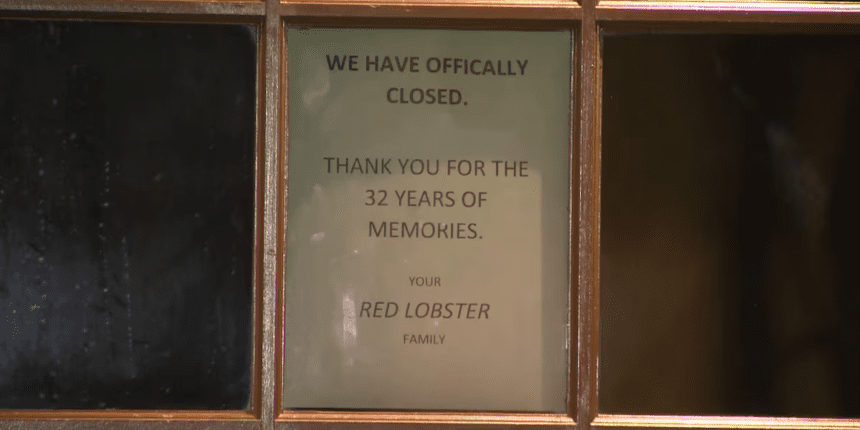

Red Lobster has closed its last location in Hawaii after over 30 years of operation. Following substantial financial losses and bankruptcy, this closure marks the end of an era for seafood lovers in the region.
The Fall of a Seafood Giant
Red Lobster, once a popular dining destination, has officially closed its doors in Waikiki, a vibrant tourist hub in Hawaii. The restaurant, known for its signature lobster dishes and casual dining atmosphere, was a staple for both locals and tourists alike. The closure comes on the heels of significant financial challenges; the chain filed for Chapter 11 bankruptcy in 2024, citing $76 million in losses for the previous year. This unfortunate news marks the end of Red Lobster’s presence in Hawaii, where it had become synonymous with a seafood dining experience.
Financial Troubles and Industry Impact
The financial woes of Red Lobster are part of a larger trend impacting the restaurant industry, particularly in tourist destinations. In 2023 alone, the chain closed numerous locations nationwide due to declining revenues and operational challenges. The rapid increase in food costs, competition from local seafood restaurants, and shifts in consumer preferences have contributed to its downfall. As restaurants adapt to changing economic landscapes, many are forced to reconsider their business models to survive amidst rising challenges.
What This Means for Seafood Lovers
The closure of Red Lobster’s last location in Hawaii signifies a shift for seafood enthusiasts in the area. While it may have been a chain restaurant providing an accessible seafood option, locals might now turn to independent seafood restaurants that offer fresher and unique culinary experiences. The local food scene in Hawaii is vibrant and rich with seafood options, from traditional poke bowls to gourmet sushi. As chains like Red Lobster falter, there might be an opportunity for local restaurants to thrive and provide authentic dining experiences that reflect Hawaii’s unique culinary heritage.
Why This Is Trending
Indians are increasingly interested in global dining trends and the impact of economic conditions on popular brands. With a growing expatriate community in the U.S. and rising awareness about international cuisine, the news of Red Lobster’s closure resonates with many. Moreover, the discussion around bankruptcy and the challenges faced by global restaurant chains is relevant to those observing economic shifts in the hospitality sector both in India and abroad. As International travelers consider their dining choices, this trending topic not only affects consumers in Hawaii but has broader implications for the dining landscape globally.
Frequently Asked Questions
What led to the closure of Red Lobster in Hawaii?
The closure was primarily due to the chain’s significant financial losses and filing for Chapter 11 bankruptcy in 2024, with reported losses of $76 million in 2023.
How does this affect the local seafood dining scene?
The closure opens up opportunities for local independent seafood restaurants, which can offer unique dining experiences away from chain offerings, promoting local cuisine.
Are there other Red Lobster locations still open in the U.S.?
Yes, while the Hawaii location is closed, there are still numerous Red Lobster locations across the mainland United States, though many have faced challenges similar to those in Hawaii.
What alternatives do seafood lovers have in Hawaii now?
Seafood lovers can explore a variety of local restaurants, offering everything from traditional Hawaiian dishes to contemporary seafood creations, ensuring that there are still plenty of options to enjoy.