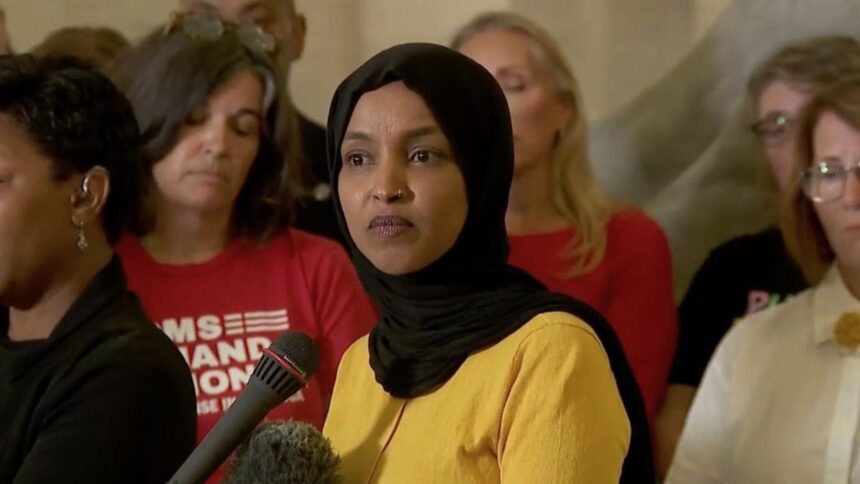

Recent statements by U.S. Congresswoman Ilhan Omar regarding the status of Indian Muslims have sparked debate and concern, particularly among those within the community. Critics argue that such remarks, perceived as exaggerated claims of genocide, overlook the complex realities faced by Indian Muslims, a significant demographic that actively participates in the nation’s socio-political fabric.
The Reality of Indian Muslims
Indian Muslims, making up around 14% of the country’s population, represent the third-largest Muslim community globally. Contrary to depictions of them as a marginal or voiceless group, Indian Muslims are integral to India’s economy, culture, and politics. Their contributions are highlighted through various fields, including entrepreneurship, arts, and military service. Figures like former President APJ Abdul Kalam illustrate this integration, demonstrating that Indian Muslims have historically contributed to the nation’s identity, rather than existing on the fringe.
Discrimination and Social Challenges
While it is true that challenges persist for Indian Muslims, including social tensions and discrimination, these issues are far from unique to India. They are prevalent worldwide, evidenced by anti-immigrant riots in countries like Belfast. Even within India, Muslims face inequalities, but the characterization of the community as being on the brink of extermination is viewed as a misunderstanding of their situation. Many from the community argue that their struggles are voiced through established political channels and civil society, rather than needing external proclamations to validate their experiences.
Omar’s Position: A Mixed Narrative
Criticism has been directed at Ilhan Omar for her perceived lack of consistency in addressing minority rights issues globally. While she highlights the plight of Indian Muslims, her stance seems selective when compared to the treatment of other communities in similar contexts, such as the targeted persecution of Hindus in Pakistan or the struggles of Kashmiri Pandits. This disparity raises questions about her broader commitment to human rights and minority welfare, especially as voices from within affected communities desire acknowledgment and understanding rather than external intervention.
Why It Matters
The discussion around the treatment of Indian Muslims within their national context informs a larger narrative about minority rights across democracies. Understanding the nuances of this situation is crucial for international policymakers, NGOs, and human rights advocates who aim to provide support without misrepresenting the communities involved. This accuracy can lead to constructive dialogue and aid, rather than oversimplifications that may further marginalize already vulnerable populations.
Frequently Asked Questions
What percentage of India’s population is Muslim?
Muslims make up around 14% of India’s total population, making it the country with the third-largest Muslim demographic in the world.
Are Indian Muslims actively involved in politics?
Yes, Indian Muslims participate actively in politics, voting and contesting elections across various levels, thus shaping the nation’s governance and policies.
What are the main challenges faced by Indian Muslims today?
Challenges include facing discrimination, social tensions, and economic inequalities. However, these issues exist within a broader context of societal dynamics and are not unique to the Indian Muslim community.
How do Indian Muslims perceive external criticism of their community?
Many Indian Muslims appreciate genuine solidarity but feel let down by external figures who make sweeping remarks without fully understanding the complexities of their reality, often viewing these statements as oversimplifications or misrepresentations.