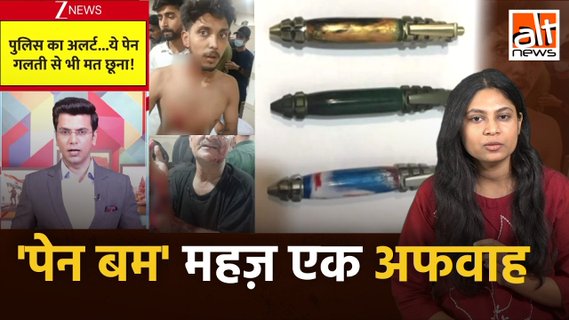

A recent viral message warning that a pen found on the road could potentially be a bomb has sparked widespread fear and misinformation. Authorities have refuted these claims, confirming that this rumor is baseless and intended to incite panic.
Understanding the Viral Rumor
The warning regarding “pen bombs” originated from a series of images and an audio clip circulating on social media. The content suggests that abandoned pens can contain explosives, leading to fear among the public. This serves as a stark reminder of how misinformation can spread rapidly through digital platforms, creating unnecessary paranoia in communities.
Official Response to the Misinformation
In response to the alarming claims, law enforcement agencies have taken to social media to clarify the situation. They stressed that no evidence supports the idea that ordinary pens can be transformed into bombs. This misinformation has been labeled a hoax, and officials urge citizens to remain calm and refrain from sharing unverified information. Fact-checking organizations have also weighed in, attempting to debunk the myth and reassure the public.
The Role of Social Media in Misinformation
This incident highlights a broader issue regarding the role of social media in disseminating false information. Users often share alarming content without verifying the details, contributing to a culture of misinformation. The rapid spread of the pen bomb rumor exemplifies how fear can outpace facts, leading to real-world consequences as communities begin to act on unfounded fears. This case underscores the need for critical consumption of information online.
Why This Matters
The proliferation of false information poses significant risks to public safety and trust in institutions. In a country as diverse and populous as India, the potential for misinformation to incite panic can have severe implications, particularly in a politically sensitive environment. Understanding the roots of such rumors and the importance of verifying information can help foster a more informed citizenry. Furthermore, as misinformation campaigns become more sophisticated, it is essential for governments, media, and individuals to work together to combat its effects.
Frequently Asked Questions
What sparked the initial rumors about “pen bombs”?
The rumors were triggered by viral images and audio clips suggesting that abandoned pens found on roads could be explosives, leading to widespread alarm.
How did authorities respond to these claims?
Law enforcement agencies quickly refuted the claims, labeling them as baseless and providing reassurance to the public that there is no evidence to support the notion that pens can be weaponized.
Why does misinformation spread so easily on social media?
Misinformation spreads rapidly on social media due to the low barrier to entry for sharing content. Users often share sensationalized information without verifying facts, leading to a culture where alarmist content gains traction quickly.
What can individuals do to combat misinformation?
Individuals can help combat misinformation by verifying facts through trusted sources before sharing information. It is crucial to approach alarming news critically and seek clarification from reputable authorities or fact-checking organizations.