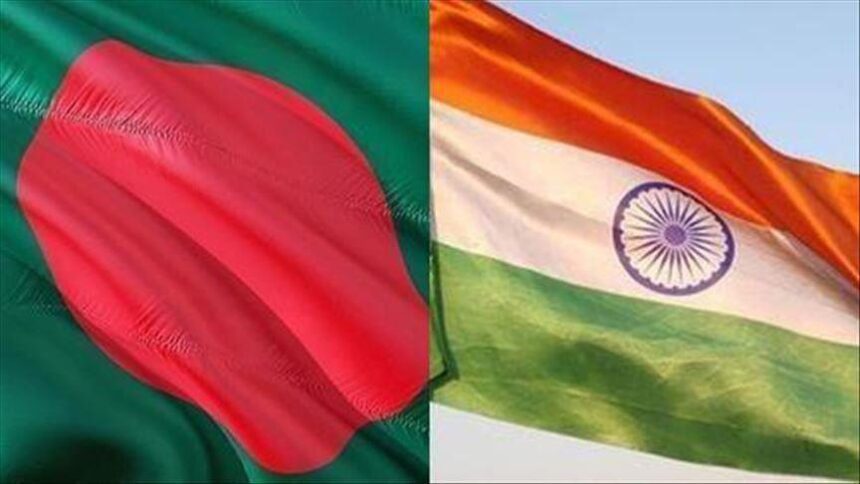

Recent tensions between Bangladesh and India have escalated as Bangladesh accuses India’s Border Security Force (BSF) of attempting to forcibly push undocumented individuals across their shared border. This incident raises concerns about the treatment of Bengali-speaking Muslims in India and highlights the ongoing challenges faced by marginalized communities amid India’s heightened crackdown on alleged illegal immigrants.
Forced Crossings and Escalating Tensions
On a recent morning in the northwestern Naogaon district, Bangladesh’s Border Guard (BGB) thwarted an alleged attempt by the BSF to push nine individuals, including women and children, into Bangladesh. The BGB reported that this incident, which occurred near border pillar 244/MP, reflects a pattern of similar accusations levied against India in recent weeks. Previous allegations on June 5 and June 8 noted other attempts where Bangladeshi authorities intervened to prevent the entry of a total of 40 people through various border sectors.
Increase in Border Patrols by Bangladesh
In response to these incidents, the BGB has ramped up patrols and surveillance in border regions. Lieutenant Colonel Mohammad Ariful Islam Masum emphasized that the measures aim to prevent any unauthorized crossings into Bangladesh. The country’s resolve is clear: it will only accept individuals whose citizenship is established through proper diplomatic channels, rejecting unilateral cross-border pushes without prior discussion.
Human Rights Concerns Amid Immigration Crackdown
Amidst claims of push-ins, there is growing scrutiny of India’s broader campaign against undocumented immigrants, particularly targeting Bengali-speaking residents across several states. Rights organizations have raised alarms about arbitrary detentions and expulsions disproportionately affecting Bengali Muslims. Some individuals reportedly documented as Indian citizens have found themselves forcibly pushed towards Bangladesh, exacerbating humanitarian concerns.
Why It Matters
The ongoing border tensions reflect larger patterns of social exclusion and discrimination impacting minorities in India, particularly Muslims. The Indian government’s focus on expelling alleged illegal immigrants raises ethical questions about human rights and the protection of citizenship. As the regional dynamics evolve, the implications stretch beyond national borders and contribute to a climate of fear and uncertainty among marginalized communities. For global audiences and stakeholders in human rights, these developments signal the urgent need for accountability and adherence to international standards in immigration and human rights practices.
Frequently Asked Questions
What are the recent accusations against India regarding its border security?
Bangladesh has accused India’s Border Security Force of attempting to forcibly push groups of undocumented individuals, including women and children, into Bangladesh, highlighting growing tensions at their shared border.
What actions has Bangladesh taken in response to these allegations?
In response to the alleged push-ins, Bangladesh has increased patrols and surveillance along its borders to prevent unauthorized crossings, reinforcing its border security measures significantly.
How has India responded to the accusations of human rights violations?
While specifics from the Indian government regarding these accusations aren’t detailed in recent statements, the country has intensified operations against undocumented immigrants, particularly those it claims are Bengali-speaking residents.
What are the implications for the affected individuals during these incidents?
The individuals caught in these push-ins face a precarious situation, with many being arbitrarily detained or deported. Concerns have been raised about their citizenship status and the potential violation of human rights in these operations.