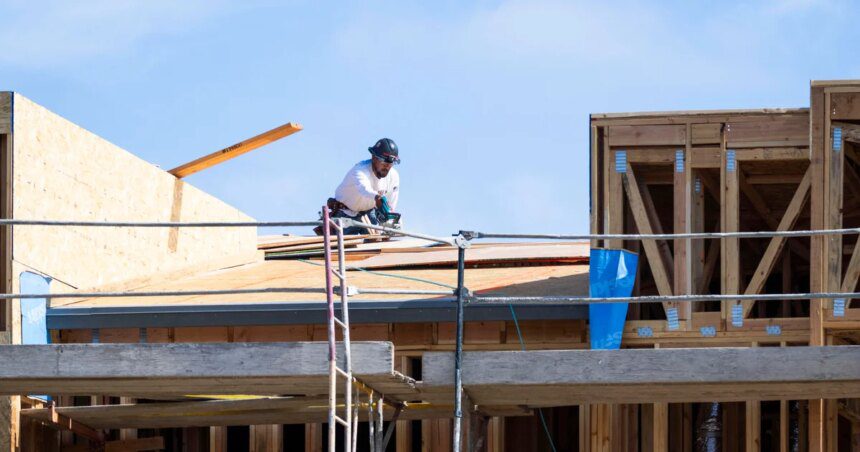

Summary: The U.S. Senate has passed the 21st Century ROAD to Housing Act, a significant bipartisan initiative aimed at lowering housing costs and increasing supply. With an 85-5 vote, the bill now moves to the House, where swift action is expected as affordability issues take center stage in upcoming elections.
Understanding the Housing Bill’s Impact
The 21st Century ROAD to Housing Act represents a crucial moment in U.S. housing policy, marking the most comprehensive housing legislation in decades. Aiming to enhance housing availability and affordability, the bill includes provisions that limit institutional investors from acquiring certain single-family homes, a move aimed at reducing competition for average homebuyers. This initiative comes at a time when the American public is increasingly concerned about rising housing costs, which is a pressing issue as the midterm elections approach.
Key elements of the bill include removing regulatory barriers, streamlining environmental reviews to expedite affordable housing development, and initializing an innovation fund. These measures are not only anticipated to alleviate strain on the housing market but also foster long-term economic stability by supporting various demographics, including veterans.
Bipartisan Efforts Highlight Housing Crisis
The passage of this bill underscores a rare moment of collaboration across party lines, with leaders such as Senate Majority Leader John Thune emphasizing its significance in making life more affordable for Americans. The urgency of addressing housing costs reflects bipartisan recognition of the crisis, as lawmakers from both parties voice their commitment to providing viable solutions. Senator Elizabeth Warren, one of the bill’s advocates, insists that the legislation is multifaceted, aiming to make housing a viable investment for families rather than solely for Wall Street entities.
The breadth of the bill is illustrated by its more than 45 provisions geared towards revitalizing the housing market, reflecting a concerted effort by lawmakers to address this critical issue. With public sentiment driving legislative action, there is growing consensus that action is necessary, pushing the bill through amidst other legislative gridlocks.
What’s Next for the 21st Century ROAD to Housing Act?
The bill has been designed to proceed swiftly to the House, where leadership has expressed confidence in its prospects. GOP Rep. French Hill praised the incorporation of key priorities, while Democratic Rep. Maxine Waters highlighted the significance of the consensus achieved, indicating a collaborative spirit at a time when such efforts are often rare. As both parties prepare for the House’s return from recess, immediate action is anticipated, with a focus on ensuring that the bill reaches President Biden’s desk for final approval.
Moreover, proponents of the bill are optimistic that it will serve as a model for future legislative cooperation. By directly addressing housing supply and affordability challenges, this initiative could fundamentally reshape the market landscape for years to come.
Why This Is Trending
This topic is trending in India and globally as housing affordability emerges as a critical issue reflecting deeper economic challenges. Many Indians are drawing parallels between the U.S. struggles with housing costs and their own experiences in urban centers where rising property prices and rental costs pose significant barriers. As citizens seek models of successful policy interventions, discussions about the American bill resonate strongly. Furthermore, with upcoming elections, the emphasis on housing by American lawmakers is prompting discourse on similar strategies that could be employed in India to provide relief to the middle-class and lower-income families facing housing crises.
Frequently Asked Questions
What is the 21st Century ROAD to Housing Act?
The act is a comprehensive piece of legislation aimed at reducing housing costs and increasing supply in the U.S. It includes measures to limit institutional investment in certain housing markets and remove regulatory barriers to increase affordable housing development.
Why is this bill significant?
The bill represents one of the most extensive housing reforms in decades and showcases a rare instance of bipartisan cooperation in Congress, addressing a critical issue for millions of Americans amid rising living costs.
What are the expected outcomes of the bill?
Proponents argue that the act will enhance housing availability, lower costs for homebuyers, and make housing a more accessible opportunity for families rather than solely for investors.
How do housing issues in the U.S. relate to India?
Many Indians are interested in foreign housing policies, seeking insights into successful strategies that could be implemented domestically to address their own challenges with rising real estate prices and affordability for middle-class families.