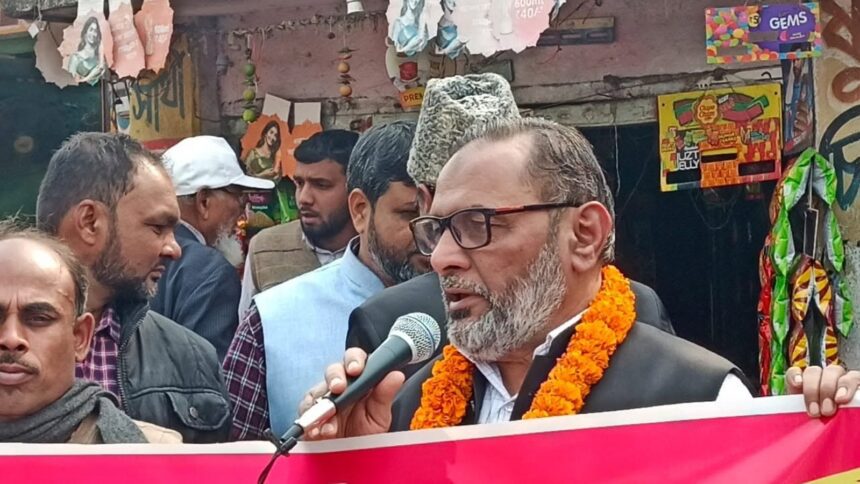

Voices from the AIMPLB: Addressing Marginalization
The All India Muslim Personal Law Board (AIMPLB) has announced plans to release a detailed report documenting the declining conditions faced by Muslims in India. This announcement follows a meeting held in Delhi, highlighting concerns over social and political marginalization, particularly in BJP-ruled states. The AIMPLB aims to galvanize community action against worsening discrimination and violence.
Concerns of Violence and Discrimination
AIMPLB spokesperson SQR Ilyas detailed several pressing issues discussed during the executive committee meeting. Key concerns include increasing incidents of mob violence against Muslims, particularly in states governed by the Bharatiya Janata Party (BJP). Demolition drives targeting Muslim homes, educational institutions, and places of worship have become disturbingly common. The Board criticized attempts to enforce Vande Mataram in schools and madrasas, viewing these as an infringement on the religious freedoms guaranteed by the Indian Constitution.
Moreover, the committee expressed alarm over proposed legislative measures in states aimed at implementing a Uniform Civil Code, viewing it as a direct threat to the community’s rights. Ilyas also pointed out a recent judgment by the Madhya Pradesh High Court involving the Kamal Maula Mosque, which he claimed contradicts historical evidence and undermines established traditions.
The Role of Secular Political Parties
During the meeting, the AIMPLB underscored its disappointment with secular political parties, asserting that they have failed to address issues affecting Muslims assertively. Ilyas criticized leaders, including opposition figures, for not vocally supporting the rights and concerns of the Muslim community, claiming that they treat Muslims merely as a “vote bank.” The Forum’s statement emphasizes the perceived complicity of these parties in the ongoing marginalization of Muslims, fostering a belief that adequate political representation is lacking.
Plans for a comprehensive document detailing the erosion of rights and increasing communal tensions will be prepared to awaken public consciousness. AIMPLB aims to reach out broadly, urging all communities to work together against divisive politics.
Why It Matters
The growing marginalization of Muslims in India raises significant concerns about the country’s commitment to secularism and democracy. The actions taken by the AIMPLB reflect a response to systemic inequalities that can exacerbate social tensions. This scenario not only affects religious minorities but also poses a challenge to India’s international reputation as a nation of diverse communities coexisting peacefully. The consequences of failing to address these issues extend beyond regional boundaries, impacting India’s global diplomatic relations and social cohesion.
Frequently Asked Questions
What is the AIMPLB planning to do about the marginalization of Muslims?
The AIMPLB plans to publish a detailed report on the deteriorating conditions faced by Muslims in India and launch a nationwide movement to address issues of social and political marginalization.
What recent incidents prompted the AIMPLB’s statements?
The AIMPLB focused on increasing reports of mob violence, demolition drives against Muslim properties, and recent legal judgments that affect places of worship, particularly the Kamal Maula/Bhojshala Mosque case.
How are secular political parties responding to these concerns?
The AIMPLB expressed dissatisfaction with the responses from secular political parties, accusing them of remaining silent on issues impacting Muslims and not addressing community concerns aggressively.
What does the future hold for Muslims in India according to the AIMPLB?
The AIMPLB believes that unless actions are taken to combat current injustices and promote dialogue, the plight of Muslims will continue to worsen, necessitating a comprehensive public awakening on these issues.