
Summary
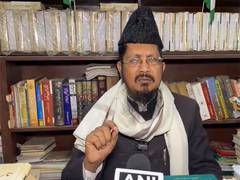
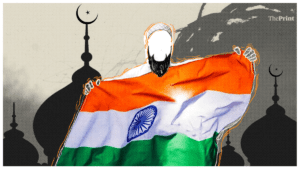
India’s prominent Muslim organization, Jamiat Ulama-e-Hind, has raised serious concerns regarding the systematic targeting of Muslims by the Hindu nationalist government led by Prime Minister Narendra Modi. During a recent convention in New Delhi, the organization’s president, Arshad Madani, emphasized that anti-Muslim policies and societal pressures have intensified since Modi’s administration took office in 2014, threatening the constitutional rights of Muslims in India.
Systematic Targeting and Social Exclusion
The Jamiat Ulama-e-Hind has criticized what it describes as “communal forces” that are eroding protections afforded to Muslims in India. Under the current political climate, characterized by increased polarization and anti-Muslim rhetoric, Muslims are reportedly facing significant social exclusion. Madani articulated that this atmosphere of intimidation has intensified, making it challenging for Muslims to maintain their identity and religious practices without fear.
Madani’s remarks pointed to broader ideological movements aimed at reshaping India’s secular character, alleging that mosques, Islamic seminaries, and religious symbols are increasingly targeted. The declaration presented at the convention draws attention to specific incidents where Muslim institutions are pressured to conform to the prevailing Hindu nationalist narrative, raising alarms about communal harmony and coexistence.
Political Manipulation and Legal Challenges
One contentious issue highlighted during the convention is the BJP’s push to make the song “Vande Mataram” mandatory in public schools and institutions. The song has long faced opposition from Muslim groups due to its historical ties to Hindu nationalism. Madani warned that equating it to India’s national anthem violates the constitutional spirit, and the Jamiat has pledged to challenge any such mandates in court.
The organization’s declaration also linked various political initiatives, such as the proposed Uniform Civil Code and voter list revisions, to a concerted effort to marginalize Muslims. Allegations have surfaced that electoral processes are being manipulated, potentially disenfranchising genuine Muslim citizens in states like Assam and West Bengal, creating further barriers to political participation.
Inter-Community Relations and Future Implications
In conclusion, the Jamiat Ulama-e-Hind extends an earnest appeal for unity among opposition parties, civil society, and all citizens who cherish constitutional values. Madani urged diverse communities to stand against the so-called “communal and fascist forces” that threaten justice and religious harmony in India. This call emphasizes the necessity for a collective stance against rising intolerance and the protection of democratic values.
As communal tensions escalate, maintaining inter-community relations becomes vital. The organization’s push for solidarity among different groups may hold significance for countering divisive politics and fostering coexistence across religious lines.
Why It Matters
The situation for Muslims in India warrants attention not only from a humanitarian perspective but also from a global human rights standpoint. The increasing discrimination, social exclusion, and targeting of religious identities can serve as a case study for examining the consequences of majoritarian politics and the erosion of secularism in diverse societies. For communities worldwide, this scenario underscores the importance of protecting minority rights, fostering inclusive governance, and upholding constitutional principles.
Frequently Asked Questions
What are the main concerns raised by the Jamiat Ulama-e-Hind?
The Jamiat Ulama-e-Hind has expressed concerns about systematic targeting of Muslims, social exclusion, and the erosion of constitutional protections under the current government.
How is the song “Vande Mataram” controversial within Muslim communities in India?
The song is associated with Hindu nationalist movements and certain parts of its lyrics conflict with Islamic monotheism, leading many Muslim groups to oppose its mandatory recitation.
What actions have been taken affecting Muslims in electoral processes?
Recent voter list revisions in states like Assam and West Bengal have generated fears that genuine Muslim citizens may face disenfranchisement during verification exercises.
What is the Jamiat’s stance on unity among community groups?
During the convention, Madani called for unity among opposition parties, social organizations, and citizens to combat what is perceived as “communal and fascist forces,” aiming to defend constitutional values and social justice.