
A recent video alleging that Pakistan’s air force is aiding Taliban forces in Afghanistan has been debunked as footage from the military simulation game Arma 3. Fact-checker Mohammed Zubair exposed the misleading claims made by Indian news outlets, emphasizing the importance of verifying video content before reporting it as news.
Context of the Claim
The video in question surfaced on several Indian news channels, including Republic TV, Times Now Navbharat, Zee Hindustan, and TV9 Bharatvarsh. It purported to depict airstrikes by Pakistan’s military supporting the Taliban against the Northern Alliance in Afghanistan’s Panjshir Valley. The claim came at a time of heightened tension and conflict in the region, where various factions struggle for power.
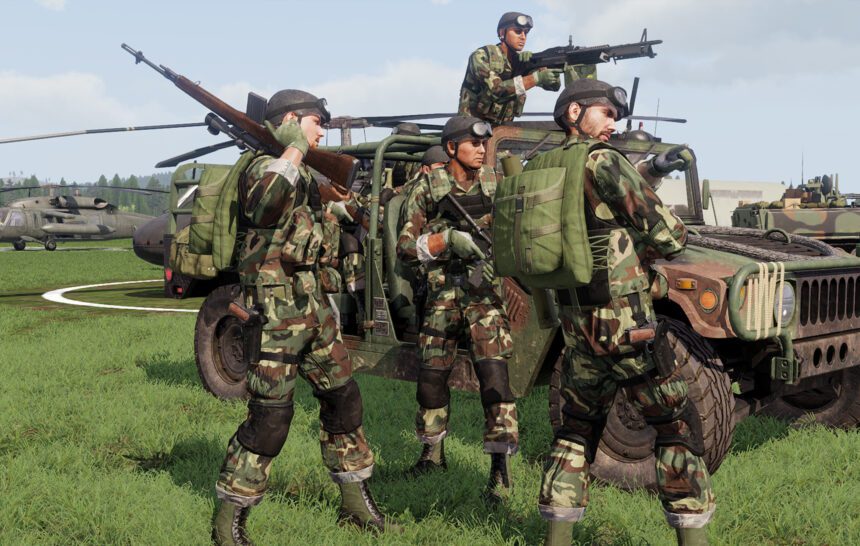
However, Zubair quickly pointed out that the footage was actually a clip from an Arma 3 gameplay video posted in January 2021. This identification illustrates how misinformation can spread rapidly, particularly in a heated geopolitical environment.
Analysis of Media Reporting
The incident underscores the challenges faced by media outlets in verifying sources and content, especially in the age of rapid information dissemination through social media. A representative from Bohemia Interactive, the company behind Arma 3, noted that this was not the first time their game footage has been mistakenly identified as real-world events. They mentioned that similar instances have been flagged by organizations such as Agence France-Presse and PolitiFact.
Despite falling under scrutiny, outlets like Republic have attempted to deflect responsibility by claiming that the erroneous video was sourced from Hasti TV. This highlights a growing trend where news organizations try to shift accountability for mistakes, further complicating the media landscape.
The Role of Social Media in Misinformation
Social media platforms have accelerated the diffusion of both accurate and inaccurate information. The original post by Zubair exemplifies how quickly misleading claims can be countered through fact-checking. It also highlights the role of individual commentators and users in holding larger media entities accountable.
With the modern audience relying heavily on social media for news, the accountability of media outlets becomes crucial. Zubair’s tweet serves as a reminder of the responsibility that comes with broadcasting news and emphasizes the need for rigorous verification before publication. The incident calls into question how easily narratives can be shaped by unverified content.
Why This Matters
The political significance of this issue is particularly pertinent for Indian readers. Given the historical context of India-Pakistan relations and the ongoing situation in Afghanistan, misinformation can easily escalate tensions and exacerbate diplomatic strains. As the situation in Afghanistan continues to evolve, accurate reporting becomes essential to promote informed discourse among the public and policymakers alike.
Furthermore, this incident reflects broader issues of media literacy and the potential for media narratives to influence public opinion and policy decisions. In a climate where information is weaponized, understanding the origins and truths behind media reports is more crucial than ever. As audiences, consumers of news must remain vigilant and engaged in discerning fact from fiction.
Frequently Asked Questions
What was the original claim made by the news outlets?
The claim suggested that Pakistan’s air force was engaged in airstrikes to support the Taliban against the Northern Alliance in the Panjshir Valley of Afghanistan.
What evidence disproved the claim?
The footage was identified as being from the military simulation game Arma 3, specifically a video showcasing an A-10 Warthog jet versus an anti-air tank, demonstrated by fact-checker Mohammed Zubair.
How has the media responded to the error?
Outlets like Republic TV have shifted some responsibility, attributing the erroneous video to Hasti TV, while also announcing the deletion of the reported video from their platforms.
Why is this incident significant for Indian readers?
The incident highlights the ongoing challenges regarding media integrity and the critical need for responsible reporting, especially in the context of sensitive geopolitical issues involving India and Pakistan.