
The ongoing political narrative in India presents a troubling scenario for religious minorities, particularly Muslims, amid the rising influence of the Bharatiya Janata Party (BJP) and associated organizations like the Rashtriya Swayamsevak Sangh (RSS). Reports of social exclusion, economic boycotts, and systemic discrimination underline the intricate dynamics of exclusionary politics that have taken root in the country.
Social Exclusion and Marginalization of Muslims
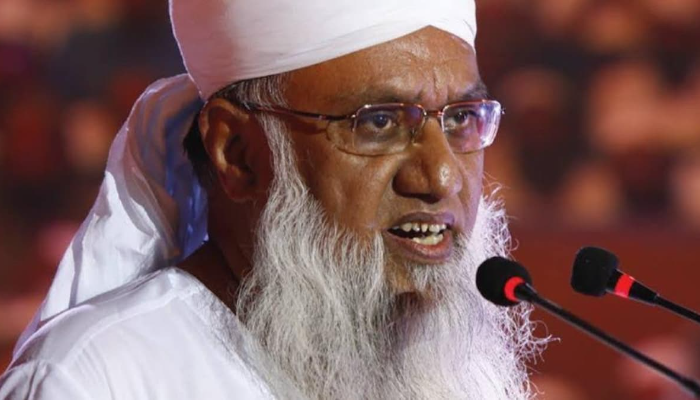
In recent years, the Indian political landscape has exhibited significant fissures along religious lines, particularly impacting the Muslim community. A notable instance of this social exclusion was marked by the remarks of Maulana Khalilur Rahman Sajjad Nomani, a member of the All India Muslim Personal Law Board (AIMPLB). He claimed that Hindus have become a minority in India, separating various groups within Hindu society, such as tribals and Scheduled Castes, from the broader community. Such fracturing language aims to position Muslims politically against Hindus, thereby fostering a narrative of division.
Furthermore, politicians from various parties have echoed similar sentiments, as observed with the Congress MLA who claimed that “tribals are not Hindus.” The systemic portrayal of Muslims as a monolithic group contrasts starkly with the fragmentation of Hindu identities, reinforcing feelings of isolation among Muslim communities. Reports suggest that Muslims are increasingly becoming victims of violence and discrimination without a coherent response from the larger Indian society.
Economic Boycotts and Discrimination
The economic landscape is similarly affected, as there have been increasing calls for boycotts against Muslim-owned businesses. For instance, during the latest spate of communal tensions, businesses owned by Muslims faced backlash and economic pressure from sizable extremist groups. This not only undermines the economic stability of these communities but also aims to instill fear among entrepreneurs, deterring them from engaging with broader marketplace dynamics.
In addition, the legislative landscape has also reflected this trend, as laws and policies under the BJP and other right-leaning parties have increasingly marginalized Muslims. This includes discriminatory practices in government hiring processes and the denial of basic rights to certain communities due to their religious identity. A notable example is the introduction of the Citizenship Amendment Act (CAA), which, critics argue, discriminates against Muslims by offering pathways to citizenship for non-Muslim refugees from neighboring countries.
Challenges Faced in Religious Practices
The right to practice one’s religion freely is another area where Muslim communities have faced vulnerabilities. Instances of temples being forcibly shut down after pressure from Muslim-majority groups highlight the precarious position of religious minorities in India. For instance, reports indicate that a Durga temple in Asansol was closed for 15 years under governmental pressure, raising alarms about the infringement on religious freedoms for non-Muslim communities.
Moreover, various Hindu festivals have faced restrictions based on the perceived need for communal harmony, affecting not only Hindu groups but also indirectly leading to hostility towards Muslim expressions of faith. Such events underscore the need for a balanced approach to communal celebrations and religious rights, allowing for a harmonious coexistence in a nation known for its diverse traditions.
Why It Matters
The ramifications of these sociopolitical trends extend beyond immediate community concerns, posing a threat to India’s democratic fabric. As polarization increases, the potential for conflict escalates, undermining the principles of tolerance and inclusivity enshrined in the Constitution. Observations of social exclusion and economic boycotts against Muslims signal a risk not only to social cohesion but also to national security. As groups become increasingly marginalized, critical aspects of communal harmony are at stake, urging reconsideration of strategies for conflict resolution and policy formation.
Frequently Asked Questions
What is the Citizenship Amendment Act (CAA)?
The Citizenship Amendment Act, passed in December 2019, provides a pathway to Indian citizenship for non-Muslim refugees from Pakistan, Bangladesh, and Afghanistan, leading to criticisms of it being discriminatory against Muslims.
How has the economic situation for Muslims changed in recent years?
Muslim-owned businesses have increasingly faced boycotts and pressures, deterring economic participation and growth, amid rising communal tensions and hostile political narratives.
What incidents illustrate the social exclusion of Muslims in India?
Instances of violence against Muslims, such as mob attacks and economic boycotts, coupled with governmental policies that disproportionately affect them signify a wider trend of social exclusion.
Are there legal protections against discrimination in India?
While the Indian Constitution offers protections against discrimination on the grounds of religion, widespread communalism and politically motivated actions have led to the inadequate enforcement of these protections for Muslims.