
Summary
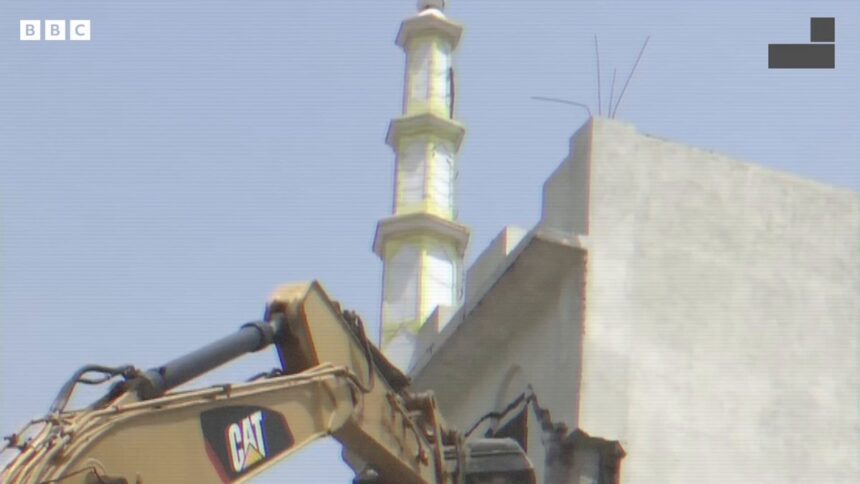
On June 6, a historic mosque in a village in Sambhal was demolished following an order from the Sub-Divisional Magistrate (SDM). The police reportedly found “I Love Mohammad” posters and a green flag at the mosque, leading to criminal charges against seven individuals responsible for its upkeep. Following these events, the atmosphere in the village has shifted dramatically, prompting a closer examination of the situation by BBC News Hindi’s team.
Context of the Demolition
The demolition of the mosque has sparked significant controversy in Sambhal, a region known for religious diversity and communal harmony. The mosque was not just a place of worship but also a historical site that held value for the local Muslim community. The SDM’s decision to demolish the mosque came amid escalating tensions surrounding religious expressions in the area. The findings of posters and flags have been interpreted by authorities as provocative, creating a narrative that justified the mosque’s destruction under the pretext of maintaining public order.
Police Reaction and Legal Proceedings
The police response to the situation has been swift, with an FIR registered against seven people responsible for the mosque’s maintenance. The charges are framed around the materials found within the mosque, which authorities consider to be inflammatory. This legal action raises concerns about how religious symbols and expressions are being policed in the region. Many locals fear that this incident could be a precursor to a broader crackdown on minority religious practices under the guise of law and order.
Impact on Community Relations
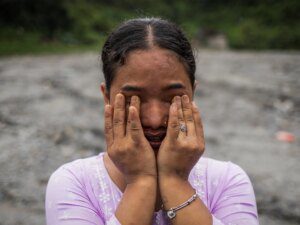
The demolition has profoundly affected the village’s social fabric. Residents report a palpable tension in the air, with community members divided over the incident. Some express their support for the demolition, citing security concerns, while others feel targeted and persecuted for their faith. The situation has also led to a heightened sense of vulnerability among the village’s Muslim population, further straining inter-community relations. This ripple effect serves as a reminder of the delicate balance within Indian society, where communal ties can be easily threatened by political narratives.
Why This Matters
This incident is particularly significant in the broader context of Indian politics, where religious identity and communal issues are often leveraged for electoral advantage. The demolition reflects the ongoing cultural and political conflicts in the country, raising questions about the rights of minority communities and freedom of expression. As India grapples with its identity, events like these serve as critical flashpoints that influence the socio-political landscape, prompting calls for greater dialogue and understanding among its diverse population.
Frequently Asked Questions
What led to the mosque’s demolition?
The mosque was demolished following a court order that cited concerns over materials found within the mosque considered inflammatory, including “I Love Mohammad” posters and a green flag.
What actions have the police taken regarding this incident?
Police have registered a criminal case against seven individuals responsible for the mosque’s upkeep, framing the charges around the controversial materials found.
How has the local community reacted to the demolition?
The local community is divided, with some supporting the demolition for security reasons, while others feel persecuted and fearful for their community’s future.
What implications does this have for communal relations in India?
The incident is likely to exacerbate existing tensions between communities and raises concerns about the targeting of minority religions, potentially impacting future communal harmony in Indian society.